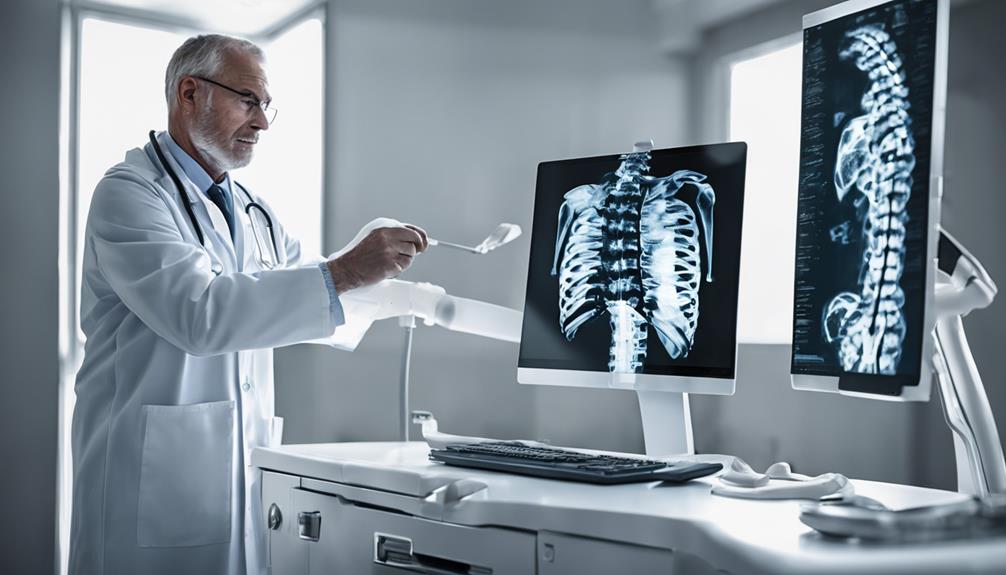
To care for a loved one after a vertebral compression fracture, support gentle activities like walking and follow their healthcare provider’s guidance on safe exercises. Manage pain with heat, cold, and relaxation techniques, while ensuring they stay comfortable and avoid pushing beyond their limits. Encourage emotional support and celebrate small milestones to boost confidence. Proper body mechanics and good ergonomics are essential. If you keep exploring, you’ll find more ways to help them recover safely and confidently.

Turn quiet afternoons into listening time
- Thousands of audiobooks, podcasts and originals
- Listen on your phone, tablet or Echo — also offline
- Cancel anytime
Key Takeaways
- Support gentle, monitored activities like walking to promote healing and prevent muscle atrophy.
- Develop a tailored pain management plan using heat, cold, and relaxation techniques.
- Encourage emotional support and celebrate small milestones to boost morale.
- Teach proper body mechanics and ergonomic practices to reduce spinal strain.
- Educate about recovery timelines, emphasizing patience and ongoing safe exercises.
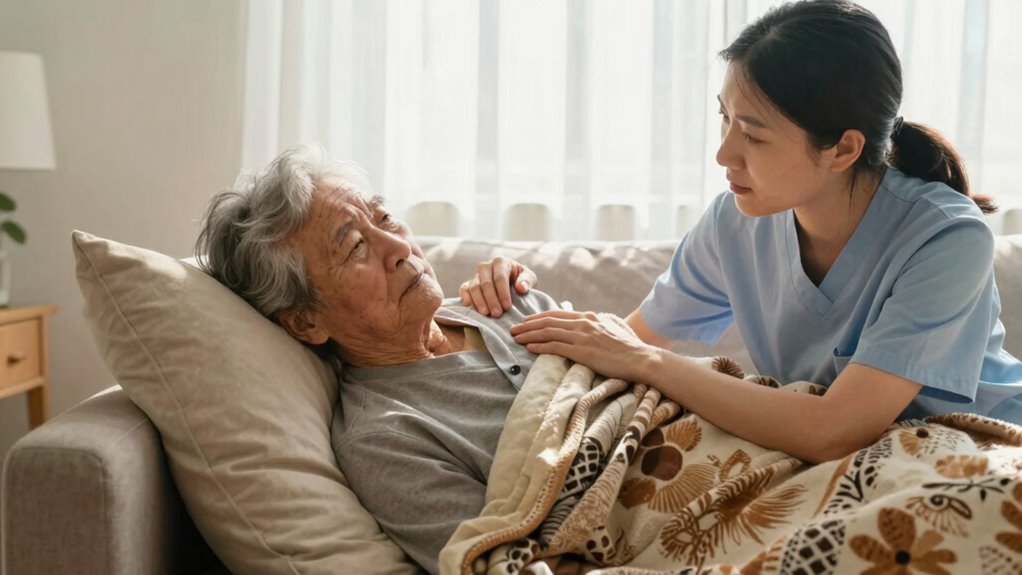
Recovering from a vertebral compression fracture can be challenging, but your support makes a meaningful difference in your loved one’s healing process. One of the most essential ways you can help is by encouraging them to follow structured exercise routines designed to promote healing and strengthen the back. Gentle, low-impact activities like walking or specific physical therapy exercises help maintain mobility without putting too much strain on the spine. Always consult their healthcare provider or physical therapist before starting any new routines, ensuring that each exercise is safe and appropriate for their current condition. Consistent, carefully monitored exercise promotes circulation, prevents muscle atrophy, and enhances spinal stability, all indispensable for recovery. Engaging in spinal health awareness can also empower your loved one to better understand their condition and recovery needs. Additionally, understanding proper body mechanics can significantly reduce the risk of further injury during daily activities. Practicing proper lifting techniques is particularly important to avoid additional stress on the spine. Being informed about vertebral fracture recovery can help you better support your loved one’s specific needs during this time. Furthermore, staying informed about healthy living practices can contribute to overall well-being and support long-term spinal health.
Encourage gentle, monitored exercises like walking to support healing and strengthen the back safely.
Pain management is equally critical in supporting your loved one. Chronic pain can lead to frustration and depression, so working with their healthcare team to develop an effective pain management plan is essential. This plan might include medications, heat or cold therapy, or alternative methods like relaxation techniques or gentle massage. Your role is to create a calming environment and assist them in adhering to their pain management regimen. Avoid pushing them to do more than they can handle; instead, encourage pacing and rest when needed. Recognize the signs of pain escalation and communicate openly with their medical providers to adjust treatments as necessary.
Supporting their emotional well-being is also fundamental during recovery. Living with pain or mobility limitations can be distressing, so your reassurance and patience help foster a positive outlook. Encourage your loved one to express their feelings and listen empathetically. Celebrate small milestones, like improved mobility or reduced pain, to boost their confidence and motivation.
In addition, helping them maintain proper posture and body mechanics during daily activities reduces the risk of further injury. Be mindful of how they lift objects, sit, and stand, guiding them to avoid movements that strain the spine. Providing ergonomic support, such as supportive chairs or cushions, can also make a difference.
Finally, remind your loved one that recovery takes time and patience. Your ongoing support, whether through assisting with exercise routines or managing pain, greatly influences their healing journey. By staying proactive and attentive, you help create a safe environment that encourages progress and comfort. Remember, your encouragement and understanding are powerful tools in helping them regain strength and mobility after this challenging injury.
vertebral compression fracture back brace
As an affiliate, we earn on qualifying purchases.
As an affiliate, we earn on qualifying purchases.
Frequently Asked Questions
How Can I Prevent Future Vertebral Fractures?
To prevent future vertebral fractures, focus on bone strengthening through calcium and vitamin D-rich foods, and consider supplements if needed. Regular exercise, especially weight-bearing and balance activities, helps improve bone density and fall prevention. Make your home safer by removing hazards, installing grab bars, and using assistive devices. These steps reduce the risk of falls, supporting your loved one’s overall bone health and preventing additional fractures.
What Signs Indicate Infection or Complications?
Watch for infection symptoms like fever, chills, redness, swelling, or increased pain around the fracture site, which signal potential complications. Sudden worsening of pain, warmth, or pus also indicate infection or other issues. These signs contrast with normal healing, where discomfort gradually lessens. If you notice any of these, contact healthcare promptly. Quick action helps prevent serious complications and guarantees your loved one gets the care they require.
Are There Specific Dietary Recommendations for Recovery?
You should focus on providing your loved one with a diet rich in bone-strengthening foods like dairy, leafy greens, and fortified cereals. Incorporate nutritional supplements if recommended by their doctor, especially calcium and vitamin D, to support healing. Avoid processed foods and excessive sugars. Ensuring they get enough protein also helps rebuild tissue. This balanced approach aids recovery and promotes stronger bones after a vertebral compression fracture.
How Do I Manage Emotional or Psychological Support?
Did you know that emotional resilience can considerably impact recovery? To support your loved one’s mental health, encourage open conversations and validate their feelings. Use mental health strategies like mindfulness or gentle activities to reduce stress. Be patient and consistent, offering reassurance and companionship. Your presence and understanding help strengthen their emotional well-being, making the recovery process smoother and more positive for both of you.
When Should I Seek Emergency Medical Help?
You should seek emergency medical help immediately if you notice emergency symptoms like severe pain that doesn’t improve, numbness or weakness in limbs, loss of bladder or bowel control, or difficulty breathing. These signs require immediate intervention to prevent further complications. Call emergency services right away, and don’t wait, as prompt action can be critical for your loved one’s health and safety.
Conclusion
By offering your support and patience, you become the steady anchor your loved one needs through their recovery storm. Remember, healing is a journey, not a sprint—like tending a delicate garden, it requires gentle care and consistent attention. With your compassion guiding the way, you’ll help them regain strength and confidence, turning a difficult chapter into a record of resilience. Together, you’ll navigate this path, proving that love truly is the best medicine.
Halloween Picks
halloween
As an affiliate, we earn on qualifying purchases.