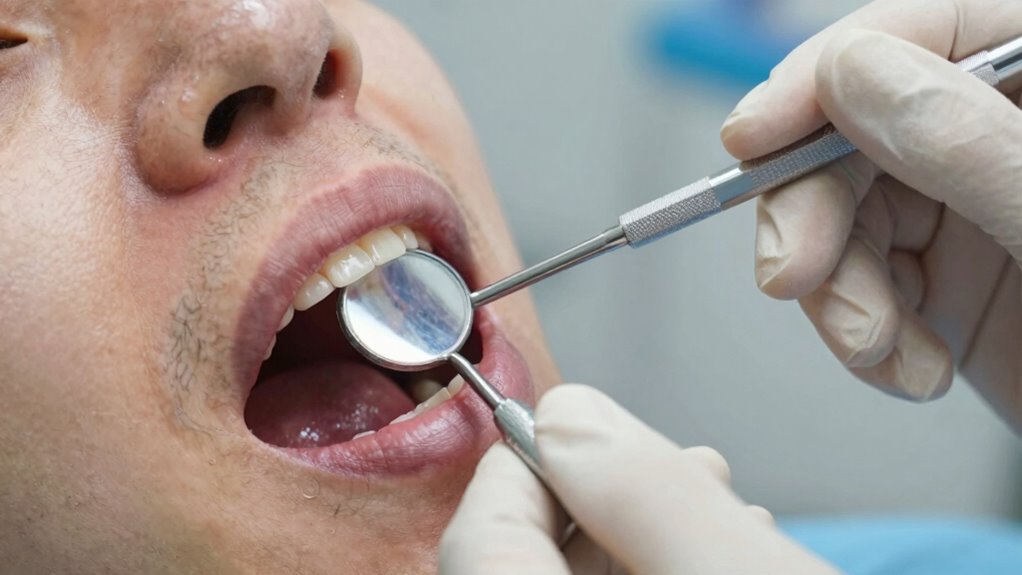

If you’re getting dental work while on osteoporosis medications like bisphosphonates or denosumab, it’s important to inform your dentist. These drugs can impair healing and increase the risk of osteonecrosis of the jaw, especially after invasive procedures. Your healthcare team might recommend adjusting your medication or delaying certain treatments. By understanding these connections, you can help prevent complications. Keep exploring to discover more ways to protect your oral and bone health effectively.

Turn quiet afternoons into listening time
- Thousands of audiobooks, podcasts and originals
- Listen on your phone, tablet or Echo — also offline
- Cancel anytime
Key Takeaways
- Invasive dental procedures may increase the risk of osteonecrosis in patients on bisphosphonates or denosumab.
- Dentists should be informed of osteoporosis medication history before planning invasive treatments.
- Healthcare providers might recommend temporarily stopping or adjusting osteoporosis medications prior to major dental work.
- Maintaining good oral hygiene reduces the need for invasive procedures and minimizes medication-related risks.
- Collaboration between dental and medical teams ensures safe treatment planning for patients on osteoporosis drugs.
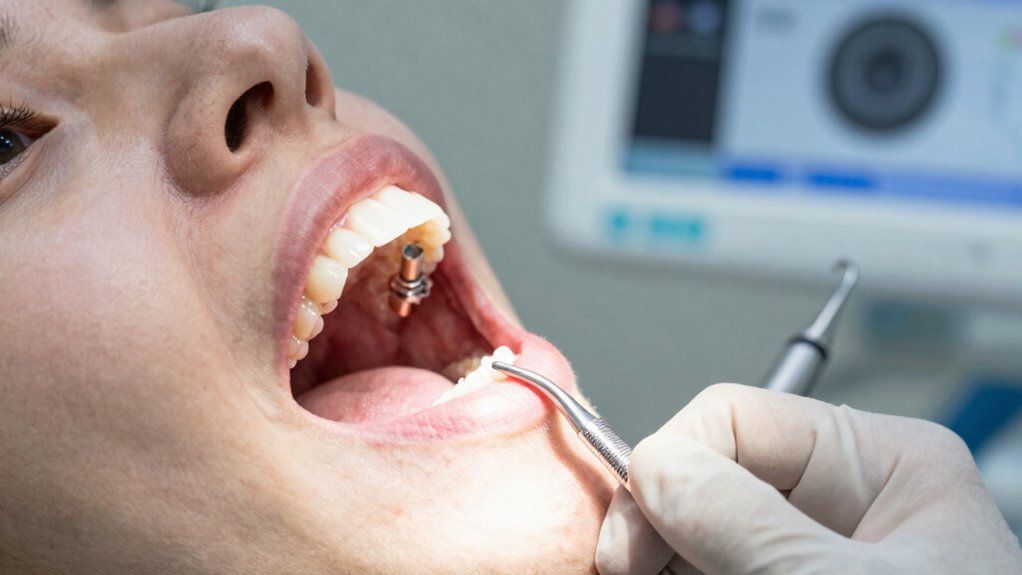
If you’re taking medication for osteoporosis, it’s important to understand how it can impact dental procedures. Osteoporosis medications, such as bisphosphonates or denosumab, are designed to strengthen your bones, but they can also influence your dental health and treatment plans. Being aware of how these drugs interact with dental work helps you prevent complications and maintain good dental hygiene.
Understanding osteoporosis medications helps prevent dental complications and supports healthy oral care.
When you undergo dental procedures, especially those involving the gums or jawbone, medication side effects can come into play. For example, bisphosphonates are associated with a condition called osteonecrosis of the jaw (ONJ), a rare but serious complication where the jawbone begins to die due to impaired healing. This risk makes it crucial to inform your dentist about your osteoporosis medication history before any invasive procedures such as extractions, implants, or root canals. Your dentist might recommend delaying elective procedures or taking extra precautions to minimize the risk of complications.
Maintaining excellent dental hygiene becomes even more important when you’re on osteoporosis medication. Poor dental hygiene can lead to infections, gum disease, and ultimately, the need for more invasive procedures. These procedures, as noted, could increase the risk of medication-related side effects like ONJ, especially if your bones are already compromised by osteoporosis. Regular brushing, flossing, and dental check-ups help you keep your mouth healthy and reduce the likelihood of needing invasive treatments that could trigger adverse reactions. Good dental hygiene practices are essential for supporting overall oral health and minimizing risks associated with bone-weakening medications. Additionally, dental health awareness can help you identify early signs of oral issues that may require prompt attention, preventing complications.
Your healthcare team may recommend temporarily stopping or adjusting your medication before major dental work, but never do this without consulting your doctor. Abruptly stopping osteoporosis medication can weaken your bones over time, but continuing treatment without proper precautions could heighten the risk of complications. It’s important to understand how medication interactions can influence your treatment plan and outcomes. Being proactive about patient education can help you better understand the risks and necessary precautions involved.
In addition to medication management, keeping a close eye on your dental hygiene is essential. Good habits like brushing twice daily with fluoride toothpaste, flossing regularly, and avoiding tobacco or excessive alcohol can help safeguard your oral health. These practices reduce bacteria in your mouth, lower inflammation, and support healing after dental procedures. If you notice any signs of gum disease or unusual oral pain, report it promptly to your dentist. Early treatment can prevent minor issues from escalating into more serious problems that might interfere with your osteoporosis treatment plan.
Ultimately, understanding how your osteoporosis medication interacts with dental work empowers you to take proactive steps. By prioritizing dental hygiene and communicating openly with your healthcare team, you can navigate dental procedures safely and maintain both your oral and overall health effectively.
dental mouthwash for oral hygiene
As an affiliate, we earn on qualifying purchases.
As an affiliate, we earn on qualifying purchases.
Frequently Asked Questions
Can Dental Procedures Interfere With Osteoporosis Medication Absorption?
Dental procedures generally don’t interfere with osteoporosis medication absorption directly, but they can impact your medication plan. Poor dental hygiene increases the risk of infections or complications, which might delay or alter your medication schedule. It’s essential to coordinate with your healthcare provider about timing your osteoporosis medication around dental work. Proper communication guarantees your treatment remains effective, and you maintain good oral health without risking medication absorption issues.
Are Specific Osteoporosis Medications Riskier Before Dental Surgery?
Like a fragile glass, some osteoporosis medications are more delicate before dental surgery. Specifically, bisphosphonates may pose a higher risk, as they can affect bone healing. To protect your bone density and guarantee proper medication timing, consult your dentist and doctor beforehand. They can adjust your medication schedule or recommend alternative treatments, reducing complications and safeguarding your overall bone health during dental procedures.
How Long Should I Wait After Dental Work to Restart Medication?
You should generally wait about 7 to 14 days after dental work before restarting your osteoporosis medication, but this depends on your specific procedure and your dentist’s advice. During this period, focus on maintaining good dental hygiene to prevent infection. Always follow your healthcare provider’s guidance on medication timing after dental procedures, as they consider your overall health and the type of dental work performed.
Do Dental Implants Affect Osteoporosis Treatment Plans?
Dental implants can impact your osteoporosis treatment plans because they require good bone healing and dental hygiene. You might need to pause or adjust your medication to support proper bone regeneration around the implants. It is crucial to work closely with your dentist and doctor to coordinate your dental hygiene routine and medication schedule, ensuring your bones heal well and your osteoporosis remains managed effectively.
Is There a Risk of Medication-Related Osteonecrosis of the Jaw?
Yes, there’s a risk of medication-related osteonecrosis of the jaw (MRONJ), especially if your medication interacts with dental procedures. If you have low bone density from osteoporosis, your jawbone may heal more slowly after dental work. To minimize risks, inform your dentist about your medications, and your healthcare provider may adjust your treatment plan. Proper planning guarantees you maintain bone health and avoid complications like MRONJ.
Conclusion
Just like your teeth and bones are closely linked, dental work can influence your osteoporosis medication plan. By staying informed and working closely with your healthcare provider, you can navigate treatments smoothly, avoiding surprises along the way. Think of it as steering a boat through calm waters—you’ll want to keep everything in harmony. When you prioritize communication and care, you’ll help guarantee your bones stay strong, and your smile stays healthy, shining bright like a guiding star.
Halloween Picks
halloween
As an affiliate, we earn on qualifying purchases.