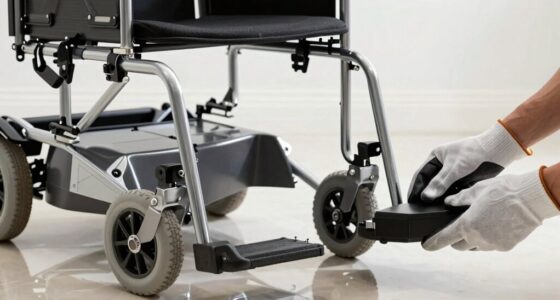
A vehicle lift is worth it when it boosts your independence and makes caregiving tasks easier and safer. If you or your loved one struggles with entering or exiting the vehicle, a lift can reduce physical strain and reliance on assistance. It also guarantees safe transportation for wheelchair users and minimizes risks during travel. When safety, convenience, and long-term value matter, investing in a lift is a smart choice—discover more about making the right decision.

Turn quiet afternoons into listening time
- Thousands of audiobooks, podcasts and originals
- Listen on your phone, tablet or Echo — also offline
- Cancel anytime
Key Takeaways
- Enhances safety and ease of transportation for wheelchair users, promoting independence during travel.
- Reduces caregiver physical effort and strain when assisting with vehicle entry and exit.
- Provides reliable, long-term mobility support, justifying initial investment through sustained benefits.
- Ensures safer, compliant operation with proper maintenance and safety features.
- Ideal when frequent, consistent transportation needs make manual assistance impractical.
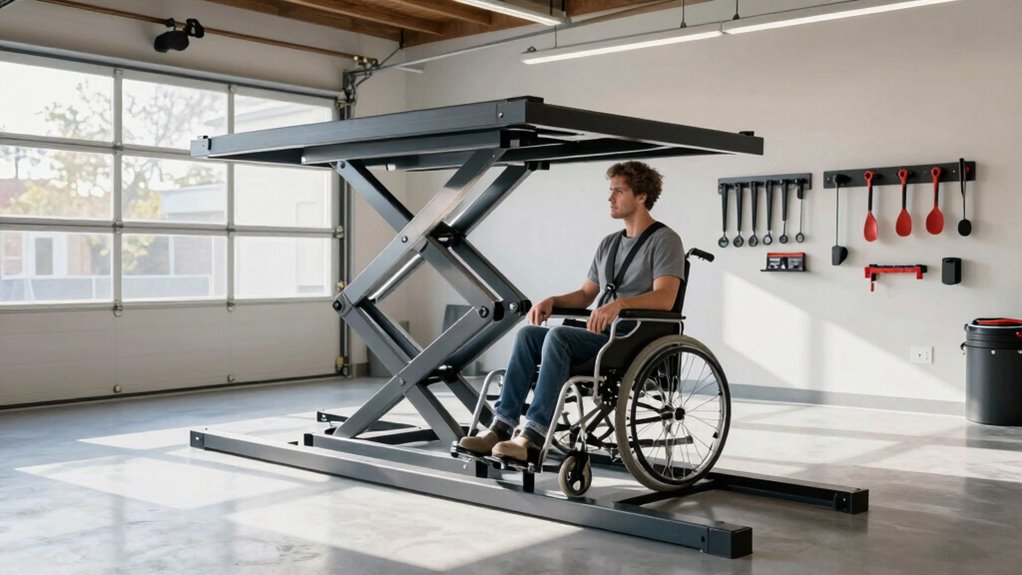
If you or a loved one rely on a wheelchair or have mobility challenges, a vehicle lift can substantially boost independence and ease daily routines. It allows you to get in and out of your vehicle more comfortably and safely, reducing the need for assistance and making travel more autonomous. But before investing, it’s crucial to evaluate whether a lift fits your specific needs and how it will integrate into your routine. One key aspect is understanding the significance of proper vehicle maintenance. Regularly inspecting the lift for any signs of wear or damage ensures it operates safely and reliably. Proper maintenance not only extends the life of the equipment but also minimizes the risk of accidents or malfunctions that could jeopardize your safety or that of your loved ones. It’s wise to follow the manufacturer’s guidelines for upkeep, including checking mechanical parts, electrical connections, and safety features frequently. Staying vigilant about vehicle maintenance becomes an essential safety consideration, especially when dealing with complex mobility aids. Additionally, selecting the right vehicle lift that matches your vehicle specifications and lifestyle can significantly impact your overall experience and safety. When choosing a lift, considering the installation process is vital to ensure proper setup and long-term stability. Safety considerations go beyond just maintaining the equipment. When installing and using a vehicle lift, you must ensure it’s correctly installed according to the manufacturer’s specifications. Improper installation can lead to instability, risking falls or damage during operation. Also, it’s crucial to familiarize yourself with the lift’s operation, including emergency procedures. Many lifts come with safety features, such as locking mechanisms or sensors, but you need to understand how and when to use them. Training yourself or caregivers on safe operation reduces the likelihood of accidents and enhances confidence when using the lift. Additionally, always ensure the vehicle is on a flat, level surface before deploying the lift to prevent any shifting or imbalance. Proper vehicle maintenance not only preserves the lift’s functionality but also ensures compliance with safety standards, providing peace of mind during everyday use. An understanding of safety standards for mobility equipment can further inform your choices and safeguard your routine. Considering additional safety measures such as regular professional inspections can further enhance safety and reliability. When evaluating if a vehicle lift is worth it, consider the long-term benefits versus initial costs. While the upfront investment might seem significant, the convenience and safety it offers can outweigh those costs over time. It can also make caregiving less physically demanding, allowing you to focus more on quality time rather than managing mobility barriers. Remember, choosing the right lift isn’t just about compatibility with your vehicle but also about ongoing safety and maintenance. Investing in a high-quality lift and committing to regular vehicle maintenance can ensure a smooth, safe experience every time you need to travel. Ultimately, a vehicle lift can be a game-changer, offering greater independence, safety, and peace of mind for you and your loved ones.
vehicle wheelchair lift for cars
As an affiliate, we earn on qualifying purchases.
As an affiliate, we earn on qualifying purchases.
Frequently Asked Questions
How Much Does a Vehicle Lift Typically Cost?
A vehicle lift typically costs between $2,000 and $10,000, depending on size and features. You might explore alternative financing options to make the purchase easier. Before buying, confirm lift compatibility with your vehicle to avoid surprises. Investing in a lift can boost independence for caregiving, but it’s important to weigh costs and benefits carefully. Planning ahead helps you find a solution that fits your budget and needs.
Are There Safety Certifications for Vehicle Lifts?
Yes, there are safety certifications for vehicle lifts. You should look for lifts that meet established safety standards and certification requirements, such as ANSI or OSHA certifications. These guarantee the lift has been tested for durability and safety, reducing risks during use. Always verify that the lift you choose complies with relevant safety standards to ensure reliable performance and your peace of mind while assisting loved ones.
What Maintenance Is Required for a Vehicle Lift?
You should follow regular maintenance schedules and inspection procedures to keep your vehicle lift functioning safely. This includes checking hydraulic fluid levels, inspecting cables and pulleys for wear, and lubricating moving parts as recommended by the manufacturer. Schedule professional inspections at least once a year, and perform routine visual checks weekly. Proper maintenance guarantees safety, extends the lift’s lifespan, and keeps caregiving activities smooth and secure.
Can a Vehicle Lift Be Installed in Any Vehicle?
Picture yourself opening your vehicle’s door, ready to install a lift. Not every vehicle welcomes this upgrade; vehicle compatibility varies, and some models pose installation challenges. You need to check if your vehicle’s make, model, and interior space support the lift. While many vehicles can accommodate a lift, some require modifications or aren’t suitable at all. Always consult professionals to guarantee safe and effective installation tailored to your vehicle.
How Long Does Installation Usually Take?
Installation of a vehicle lift typically takes about 4 to 8 hours, depending on the lift type and your vehicle’s make and model. You should plan for a professional installation to guarantee safety and proper setup. The installation timeline varies based on the complexity of the lift system and any modifications needed. It’s best to schedule a professional to handle the process, ensuring everything is installed correctly and efficiently.
Conclusion
A vehicle lift can be a game-changer, turning your car into a gateway of independence. It’s like giving yourself wings, allowing you to soar beyond limitations and embrace freedom. When safety and convenience outweigh the costs, investing in a lift isn’t just about mobility—it’s about reclaiming your life. Consider your needs carefully, and you might find that this upgrade is the bridge you need to cross into a more autonomous future.
Fall Picks
fall essentials
As an affiliate, we earn on qualifying purchases.