To protect fragile skin, you should shift your position every hour or two to avoid prolonged pressure. Use supportive cushions or pillows to offload vulnerable areas and promote better blood flow. Be gentle when changing positions, and keep your skin clean and moisturized to strengthen its natural defenses. Consistent repositioning and skin care are simple steps that make a big difference in preventing sores. Keep going, and you’ll discover more ways to keep your skin healthy.

Turn quiet afternoons into listening time
- Thousands of audiobooks, podcasts and originals
- Listen on your phone, tablet or Echo — also offline
- Cancel anytime
Key Takeaways
- Shift positions every 1-2 hours to reduce pressure and improve blood flow.
- Use supportive cushions to offload vulnerable skin areas during repositioning.
- Change positions gently without dragging skin to prevent irritation or damage.
- Monitor skin regularly for redness, soreness, or signs of breakdown.
- Incorporate repositioning into daily routines alongside skin care for optimal protection.
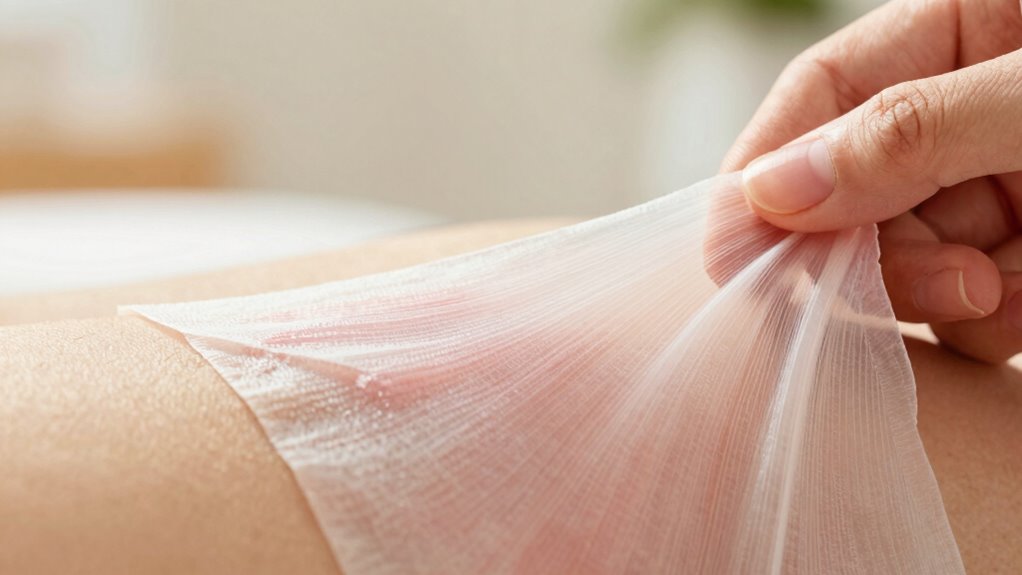
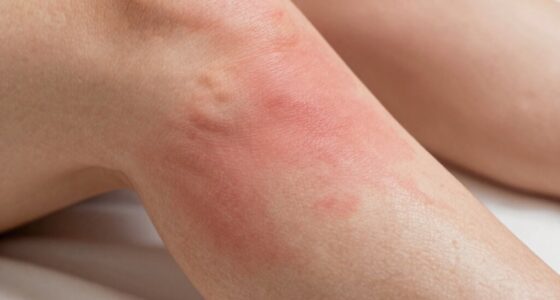
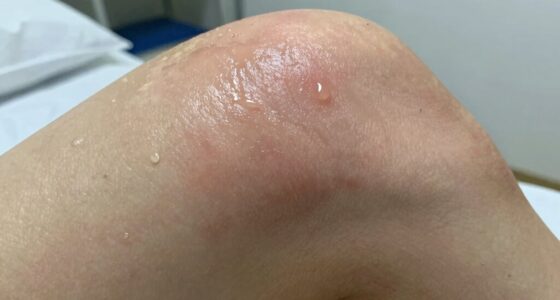
Have you ever wondered how simple repositioning can protect fragile skin? It’s a small action that can make a big difference in preventing pressure sores and maintaining skin health. When you shift positions regularly, you reduce the prolonged pressure on vulnerable areas, which is essential for pressure sore prevention. Without this habit, the constant pressure restricts blood flow, leading to tissue damage and open wounds. By changing your position, you encourage better circulation, keeping the skin supplied with oxygen and nutrients needed for healing and resilience. This simple routine is a cornerstone of skin barrier enhancement, helping fragile skin withstand daily stresses and preventing breakdown.
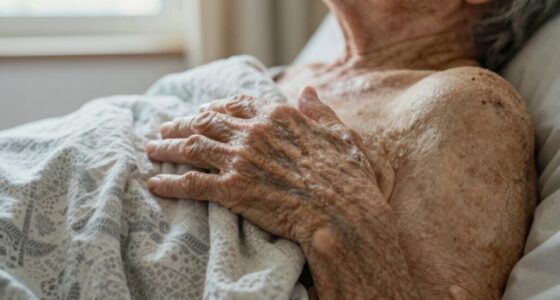
Repositioning isn’t just about relieving pressure; it’s about actively supporting the skin’s natural defenses. When you move, you prevent the buildup of moisture, sweat, and friction that can weaken the skin’s outer layer. Fragile skin, especially in individuals with underlying health conditions or limited mobility, needs extra care to stay intact. Regular repositioning helps distribute pressure evenly across different areas, reducing the risk of localized damage. It also encourages the skin to breathe, minimizing the risk of moisture-related issues like maceration, which can further compromise skin integrity. This habit, when done consistently, acts as a proactive approach to skin care, fortifying your skin’s natural barrier and making it more resilient over time. Recognizing the importance of pressure distribution is key to maintaining skin health in vulnerable individuals.
To make repositioning effective, set reminders or create a schedule that prompts you to shift your position every hour or two. Use supportive cushions or pillows to offload pressure from critical areas like the hips, heels, and sacrum. Be gentle but thorough when changing positions, ensuring your skin isn’t dragged or stretched unnecessarily. Pay attention to any signs of redness, soreness, or discomfort, and address these issues promptly. Good skin care routines, such as keeping the skin clean and moisturized, complement your repositioning habit by helping maintain the skin’s barrier function. Additionally, understanding the importance of pressure redistribution can help you develop a more comprehensive approach to skin health. Incorporating proper skin care routines also supports your efforts and promotes overall skin resilience, especially in fragile skin. Remember, the goal is to keep your skin intact and healthy, and consistent repositioning is one of the simplest ways to achieve that. Proper skin care routines support your efforts and promote overall skin resilience.
pressure relief cushions for skin protection
As an affiliate, we earn on qualifying purchases.
As an affiliate, we earn on qualifying purchases.
Frequently Asked Questions
How Often Should I Reposition to Prevent Skin Damage?
You should reposition at least every two hours to prevent skin damage. Regular movement is essential for pressure relief and maintaining healthy skin, especially for those with fragile skin or limited mobility. Incorporate skin care by gently cleansing and moisturizing during repositioning. This routine helps reduce the risk of pressure ulcers and preserves skin integrity. Consistent repositioning guarantees your skin stays healthy, protected, and less prone to injury.
Are There Specific Repositioning Techniques for Different Fragile Skin Areas?
Yes, you should use specific techniques for different fragile skin areas. For delicate spots, apply gentle stretching to loosen the skin without causing damage, and use targeted pressure to support those areas without excessive force. Be mindful of skin sensitivity, and always move slowly to prevent tears. Regularly adjusting your position with these careful methods helps protect fragile skin and minimizes the risk of injury or breakdown.
Can Repositioning Help With Existing Skin Ulcers or Scars?
Repositioning can aid in ulcer healing by reducing pressure and promoting better blood flow, which supports tissue repair. It also helps manage scars by preventing new pressure points that could worsen existing scars or cause additional skin damage. Regularly changing positions encourages overall skin health, decreases the risk of new ulcers, and supports scar management strategies, ultimately accelerating recovery and protecting fragile skin from further injury.
What Signs Indicate My Repositioning Routine Isn’t Effective?
If your repositioning routine isn’t effective, you might notice increased redness, swelling, or new skin breakdowns, which could signal pressure points aren’t relieved. Did you know that 70% of pressure ulcers develop within the first week? To prevent this, guarantee proper bed positioning and keep skin hydrated. If signs persist, consult a healthcare professional to adjust your repositioning schedule and improve skin protection.
Are There Accessories or Tools to Assist With Repositioning?
Yes, there are assistive devices and repositioning aids that can make the process easier and safer. Tools like transfer belts, slide sheets, and wedge cushions help you reposition more comfortably and reduce skin friction. Using these aids guarantees you maintain proper technique, prevents injury, and protects fragile skin. Always choose the right device for your needs, and consult healthcare professionals for guidance on effective and safe repositioning methods.
Conclusion
By embracing this simple repositioning habit, you become the gentle gardener tending delicate blooms, ensuring each fragile petal isn’t crushed underfoot. Like a steady lighthouse guiding ships through treacherous waters, your consistent movement wards off the hidden storms of pressure sores. Remember, your skin’s resilience is a fragile dance; with mindful shifts, you’re the choreographer safeguarding its grace. Keep this habit close—your skin’s silent guardian in the quiet battle for health.
Halloween Picks
halloween
As an affiliate, we earn on qualifying purchases.