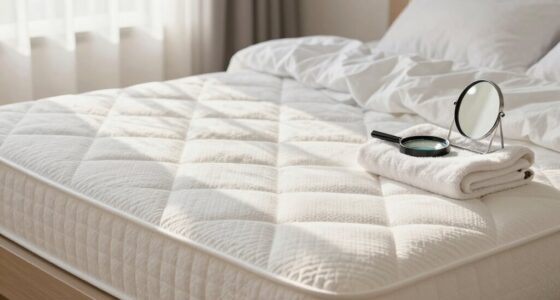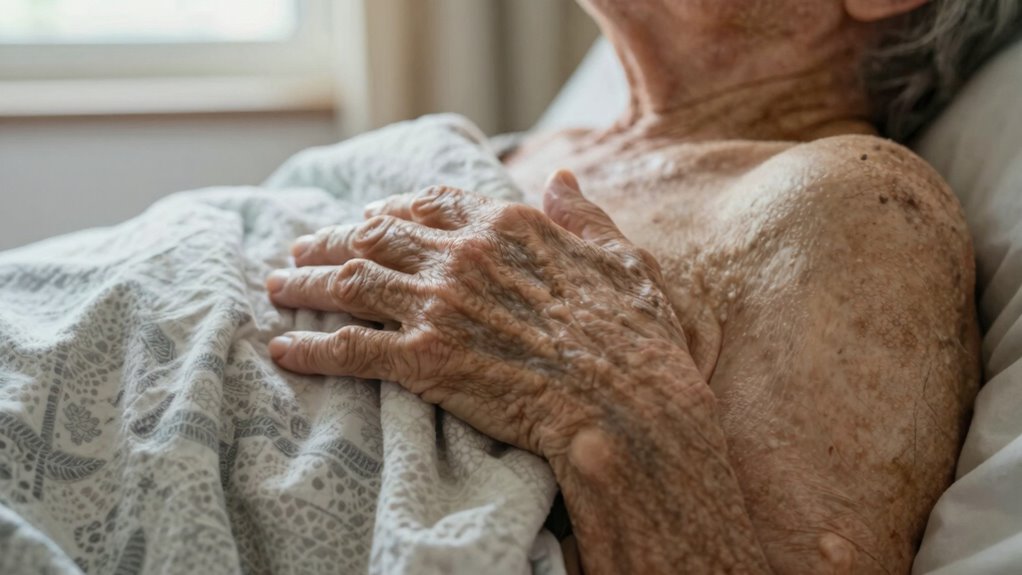

You might overlook hidden pressure points like behind the ears, on the back of the head, sacrum, elbows, and backs of the knees, which are less obvious but prone to sores. Regular repositioning every two hours and using special cushions can prevent pressure buildup. Keep skin dry, inspect frequently, and support skin health with good nutrition. Paying attention to these often-missed spots can make a big difference in preventing serious skin breakdown—continue to learn more.

Turn quiet afternoons into listening time
- Thousands of audiobooks, podcasts and originals
- Listen on your phone, tablet or Echo — also offline
- Cancel anytime
Key Takeaways
- Areas behind the ears and at the back of the head are often overlooked but vulnerable to pressure sores.
- The sacrum, elbows, and backs of knees are less obvious pressure points prone to skin breakdown.
- Regularly repositioning at least every two hours helps offload hidden pressure spots effectively.
- Moisture buildup from sweat or incontinence can weaken skin in hidden areas, increasing ulcer risk.
- Caregivers often miss inspecting less visible areas, delaying early detection of redness or irritation.
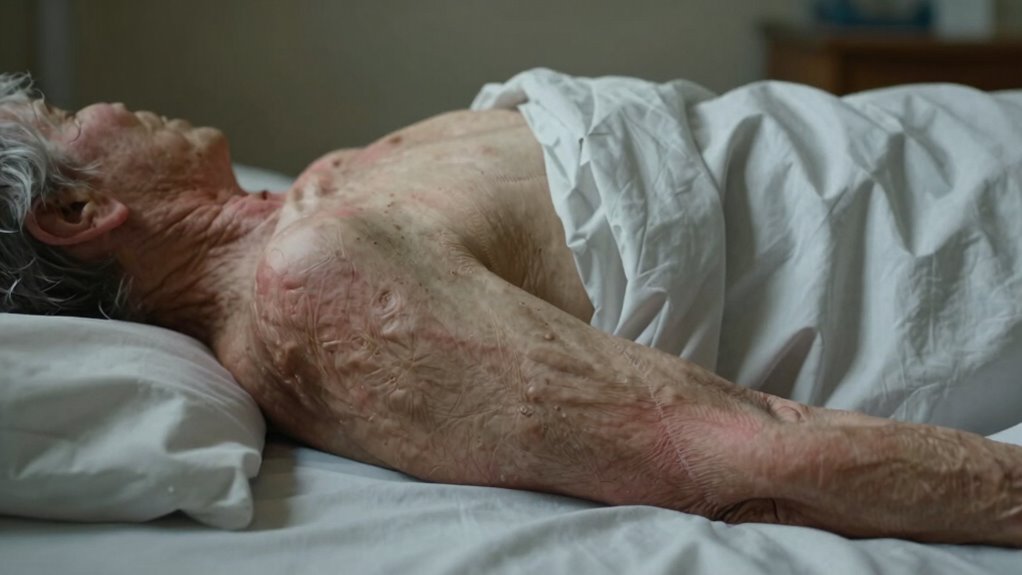
When caring for someone who is bedbound, it’s easy to focus on obvious pressure points like the hips and heels, but there are many hidden areas that can also develop dangerous sores if overlooked. These less obvious pressure points can be just as vulnerable to pressure ulcers, especially if you’re not paying close attention. To prevent this, you need to incorporate effective pressure relief techniques into your daily routine and prioritize skin integrity management across the entire body.
Many families miss areas such as the back of the head, behind the ears, the sacrum, elbows, and the backs of knees. These spots often don’t receive the same attention as hips or heels, but they can develop sores quickly if pressure persists. Regularly shifting your loved one’s position helps distribute pressure more evenly, reducing the risk of skin breakdown. You should aim to reposition at least every two hours, adjusting angles slightly to avoid prolonged pressure on the same spot. Using specialized cushions or foam wedges can also help offload pressure from vulnerable areas, ensuring these hidden spots aren’t neglected.
Regularly shifting positions and using cushions protect hidden pressure points from sores.
Pressure relief techniques aren’t just about repositioning; they involve ensuring the skin stays dry and clean, which is essential for skin integrity management. Moisture from sweat, urine, or feces can weaken the skin, making it more prone to breakdown. Regularly inspecting the entire body, including those less visible areas, allows you to catch early signs of redness or irritation before they turn into ulcers. Keep the skin clean and dry, and use barrier creams if necessary, especially in areas prone to moisture. Gentle skin care maintains healthy skin and supports the body’s natural healing processes. Additionally, understanding pressure distribution and how it affects different areas can help you develop more effective care strategies. Proper pressure management techniques are essential for comprehensive care. Educating yourself about pressure ulcer prevention can further enhance your caregiving approach. Maintaining good nutrition and hydration also supports skin health, keeping tissues resilient against pressure-induced damage. Being aware of shear forces and how they impact tissue integrity can further enhance your caregiving approach. Recognizing the importance of skin assessment routines can help catch early warning signs and prevent serious complications.
pressure relief cushions for bedbound
As an affiliate, we earn on qualifying purchases.
As an affiliate, we earn on qualifying purchases.
Frequently Asked Questions
How Can Families Prevent Pressure Ulcers in Overlooked Areas?
To prevent pressure ulcers in overlooked areas, you should focus on preventive education and family training. Regularly check all skin areas, especially those less obvious, and encourage repositioning at least every two hours. Use cushions or specialized support surfaces to reduce pressure. Educate family members about signs of skin breakdown, and involve them in daily repositioning and skin inspections, ensuring they understand the importance of consistent care in preventing ulcers.
What Are Signs of Unnoticed Pressure Damage?
Ever wonder what signs reveal unnoticed pressure damage? You should watch for skin assessment clues like redness, darkened patches, or open sores, especially in overlooked areas. Risk factors such as moisture, friction, or poor circulation can intensify these issues. Stay alert to any changes in skin color or texture, as these subtle signals often hide underlying damage. Recognizing these early signs helps prevent more severe pressure ulcers.
How Often Should Repositioning Occur for Bedbound Patients?
You should reposition bedbound patients at least every two hours to maintain pressure relief and protect skin integrity. Regular repositioning reduces the risk of pressure ulcers by alleviating sustained pressure on vulnerable areas. Keep an eye on skin condition, ensuring it stays healthy and intact. Consistent movement also promotes circulation and comfort, which are essential for overall well-being. Prioritize scheduled turns to prevent unnoticed pressure damage.
Are There Specific Cushions or Supports for Hidden Pressure Points?
Yes, there are specific cushions and supports designed for hidden pressure points. You can explore custom cushion options tailored to your loved one’s needs, providing targeted relief. Support surface innovations, like gel or foam overlays, help distribute pressure evenly and prevent sores. These advanced supports guarantee comfort and reduce the risk of hidden pressure point issues, making bedbound care safer and more effective.
How Can Caregivers Track Pressure Point Risks Effectively?
You can track pressure point risks effectively by using pressure mapping technology regularly, which shows you areas at risk of developing sores. Additionally, perform thorough skin inspections daily to catch early signs of redness or breakdown. Combining these methods helps you identify problem areas early, allowing you to adjust cushions or reposition your loved one promptly, ultimately preventing pressure ulcers and ensuring their comfort and safety.
Conclusion
By being mindful of these hidden pressure points, you can better protect your loved one from pain and pressure sores. Stay vigilant, watchful about watchfulness, and regularly reposition to prevent preventable pressures. Remember, a proactive approach provides peace of mind and preserves dignity. By mastering these manageable maneuvers, you guarantee comfort, care, and continued connection, turning tired tasks into tender, trust-building acts. Your vigilance and care truly make an essential difference.
Halloween Picks
halloween
As an affiliate, we earn on qualifying purchases.