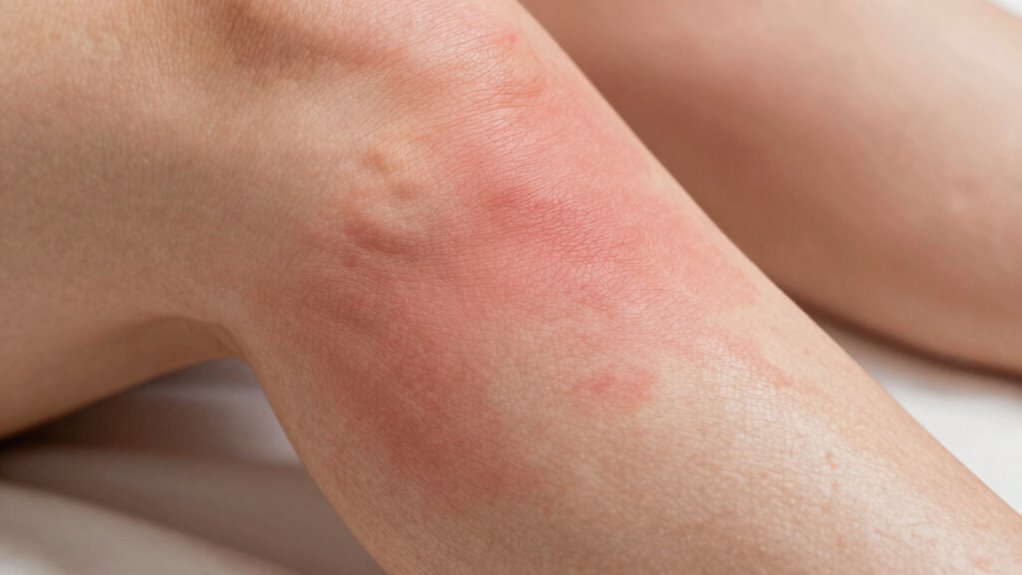

Pressure sores can develop in mild illnesses or short-term immobility, often before obvious signs appear. Watch for early hints like redness or discoloration, especially over bony areas like heels or hips. Regular skin checks, repositioning every couple of hours, and keeping skin clean and dry are key to prevention. Maintaining good nutrition and hydration also helps keep skin strong. To discover more about how to spot and prevent these early signs, keep exploring useful tips.

Turn quiet afternoons into listening time
- Thousands of audiobooks, podcasts and originals
- Listen on your phone, tablet or Echo — also offline
- Cancel anytime
Key Takeaways
- Pressure sores can begin with subtle redness or discoloration, even in mild or short-term immobility.
- Regular skin assessments are vital to detect early signs like shiny or discolored skin.
- Immediate repositioning and supportive measures can prevent sores from worsening.
- Poor nutrition and hydration weaken skin defenses, increasing early pressure sore risk.
- Educating families on early signs and prevention strategies helps in prompt detection and care.
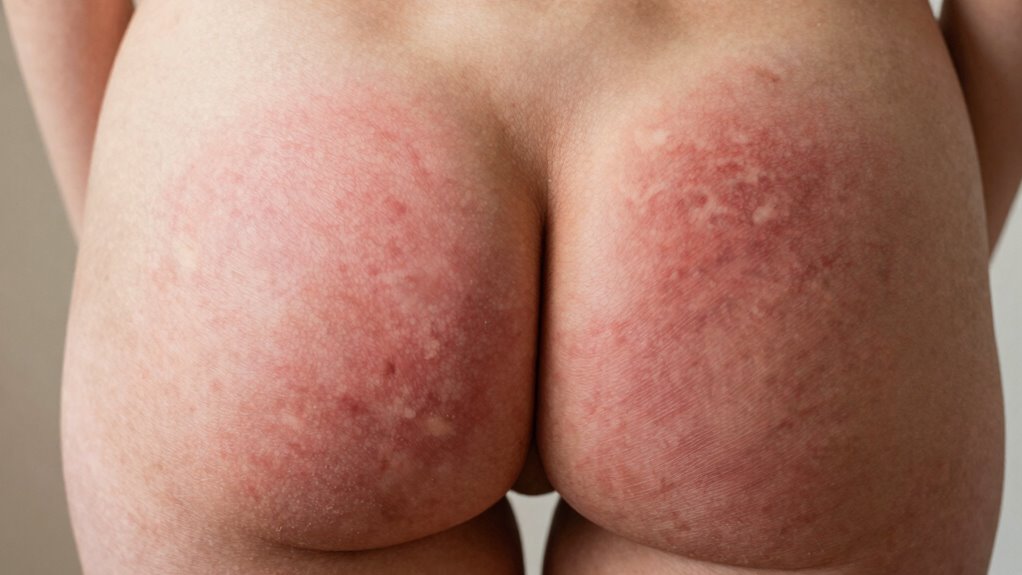
Many families assume pressure sores only develop in long-term or severely ill patients, but the truth is they can start much earlier than you might expect. Even in cases of mild illness or short-term immobility, skin breakdown can begin without obvious warning signs. That’s why it’s essential for you to stay vigilant with regular skin assessments. By thoroughly checking your loved one’s skin, especially over bony prominences like heels, hips, elbows, and the sacrum, you can catch early signs of redness or discoloration before they turn into open wounds. Early detection allows you to act quickly, which is fundamental for preventing the progression of pressure sores.
Performing a skin assessment isn’t complicated but needs to be consistent. Look for areas that appear red, shiny, or discolored—these are often the first indicators of pressure damage. If you notice any changes, don’t ignore them. Early intervention becomes critical at this stage, because it can halt the development of a full-blown sore. Simple measures like repositioning the person every couple of hours, using supportive cushions, or adjusting their position in bed can make a significant difference. Additionally, keeping the skin clean and dry helps maintain its integrity, reducing the risk of breakdown. Regular skin assessments can also help identify early signs of pressure damage before they worsen.
Maintaining good skin health through proper nutrition and hydration can also significantly reduce the risk, as healthy skin is more resilient against pressure injuries. You should also pay attention to your loved one’s overall health—nutrition, hydration, and mobility all influence skin health. Poor nutrition or dehydration weakens the skin, making it more prone to damage, while limited mobility increases pressure on certain areas. Incorporating preventative measures into daily care routines, such as skin moisturizers or protective barriers, can further support skin integrity. It’s also beneficial to educate yourself about pressure injury prevention strategies, which can empower you to take proactive steps. Staying informed about pressure injury risk factors helps you better understand how to minimize vulnerabilities. If you notice any signs of skin irritation, redness that doesn’t fade, or soreness, it’s time for prompt action. Consult a healthcare professional for advice on wound care and prevention techniques. They may recommend specialized mattresses, skin barriers, or topical treatments to support healing and prevent worsening.
pressure sore prevention cushions
As an affiliate, we earn on qualifying purchases.
As an affiliate, we earn on qualifying purchases.
Frequently Asked Questions
Can Pressure Sores Develop Without Visible Skin Damage?
Yes, pressure sores can develop without visible skin damage. You might notice skin color changes, like redness or purple hues, and experience pain or discomfort before any open wounds appear. These early signs indicate tissue damage beneath the surface. Paying attention to these subtle cues allows you to act quickly, relieving pressure and preventing further deterioration, ultimately reducing the risk of more severe sores.
How Quickly Can Pressure Sores Form in High-Risk Individuals?
Time is of the essence; pressure sores can develop surprisingly fast, sometimes within a few hours in high-risk individuals. That’s why preventive measures and thorough risk assessments are vital. If you notice redness or discomfort, act quickly—don’t wait for visible damage. Regular repositioning and skin checks help keep pressure sores at bay. The sooner you act, the better your chances of avoiding serious complications.
Are Pressure Sores Common in Patients With Limited Mobility?
Yes, pressure sores are common in patients with limited mobility. When you don’t move frequently, your skin’s pressure points can quickly develop sores. To prevent bedsores, focus on regular mobility assistance and repositioning. Using cushions or special mattresses can also help distribute pressure evenly. Staying vigilant and proactive with bedsores prevention is essential, especially for those who can’t shift positions independently, to avoid painful and serious complications.
What Early Signs Indicate the Start of Pressure Sores?
Think of early pressure sore signs like a warning light on your car’s dashboard. You might notice redness, tenderness, or warmth on the skin, especially over bony areas. These are subtle signals to act fast. Incorporate prevention strategies like frequent repositioning and skin checks into your care routines. Catching these early signs helps prevent sores from worsening, ensuring your loved one stays comfortable and healthy longer.
Can Pressure Sores Occur in Areas Other Than Bony Prominences?
Yes, pressure sores can occur in areas other than bony prominences due to alternative causes like prolonged moisture, poor hygiene, or soft tissue damage. These factors weaken the skin, making it vulnerable even without direct pressure. Keep an eye on redness, swelling, or skin breakdown in any area, especially if there’s persistent moisture or trauma, as these signs can signal early pressure sore development outside typical bony spots.
Conclusion
Now that you know pressure sores can develop sooner than expected, stay vigilant. For example, imagine a parent noticing redness on their loved one’s heel after just a few days of limited mobility. Catching these signs early can make all the difference, preventing painful sores from worsening. Regularly check skin, reposition often, and seek medical advice if you spot any changes. Your quick action can protect your loved one’s comfort and health.
Cold & flu season Picks
humidifiers
As an affiliate, we earn on qualifying purchases.