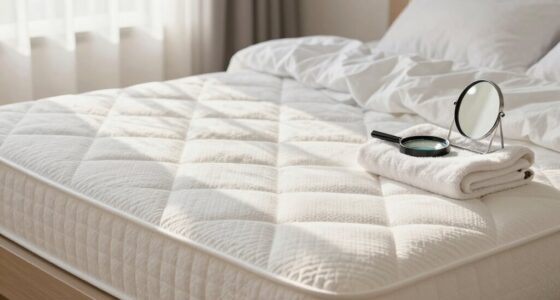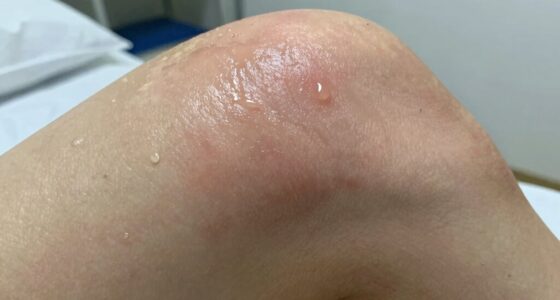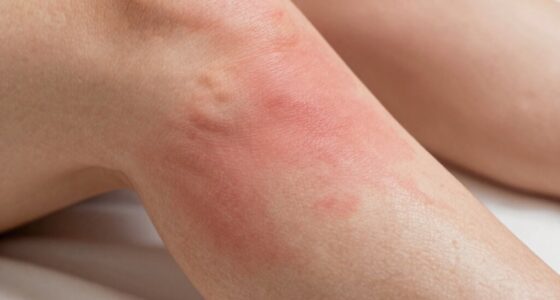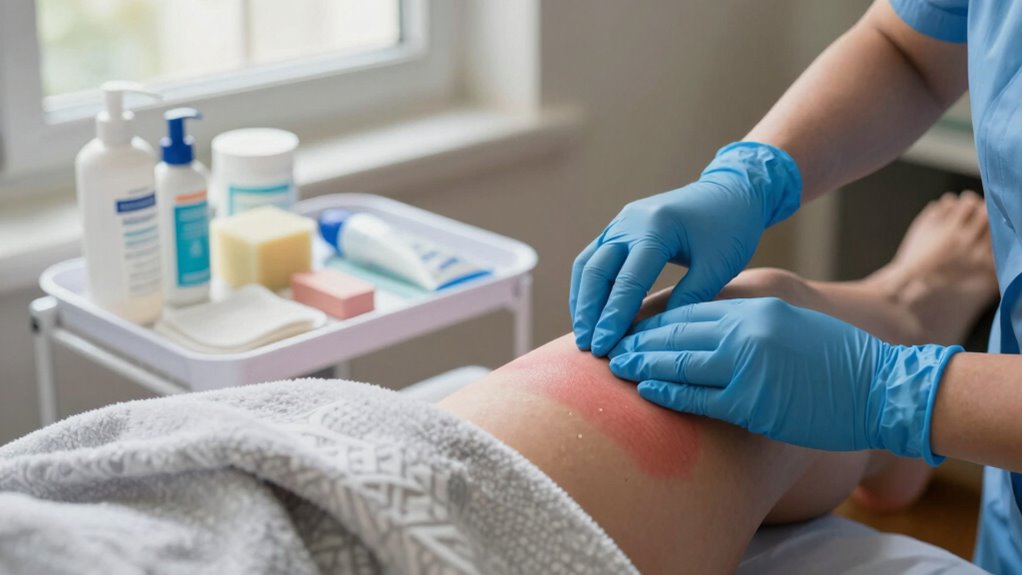

To build an effective bedsore prevention routine, you’ll need to shift positions regularly, ideally every two hours, and use cushions or specialized mattresses to offload pressure. Keep your skin clean, moist, and inspect it daily for early signs of trouble. Maintain good nutrition and hydration, and create a comfortable environment with breathable fabrics and proper ventilation. Regularly consult healthcare professionals for personalized tips and device recommendations—discover more ways to keep your skin healthy and protected.

Turn quiet afternoons into listening time
- Thousands of audiobooks, podcasts and originals
- Listen on your phone, tablet or Echo — also offline
- Cancel anytime
Key Takeaways
- Regularly shift positions every two hours to prevent prolonged pressure on vulnerable areas.
- Use pressure redistribution devices like specialized cushions or mattresses for continuous pressure relief.
- Maintain skin hydration with gentle moisturizers and conduct daily skin inspections for early signs of issues.
- Keep bedding and clothing clean, dry, and breathable to reduce irritation and bacterial growth.
- Consult healthcare professionals regularly for personalized care plans and environmental adjustments.
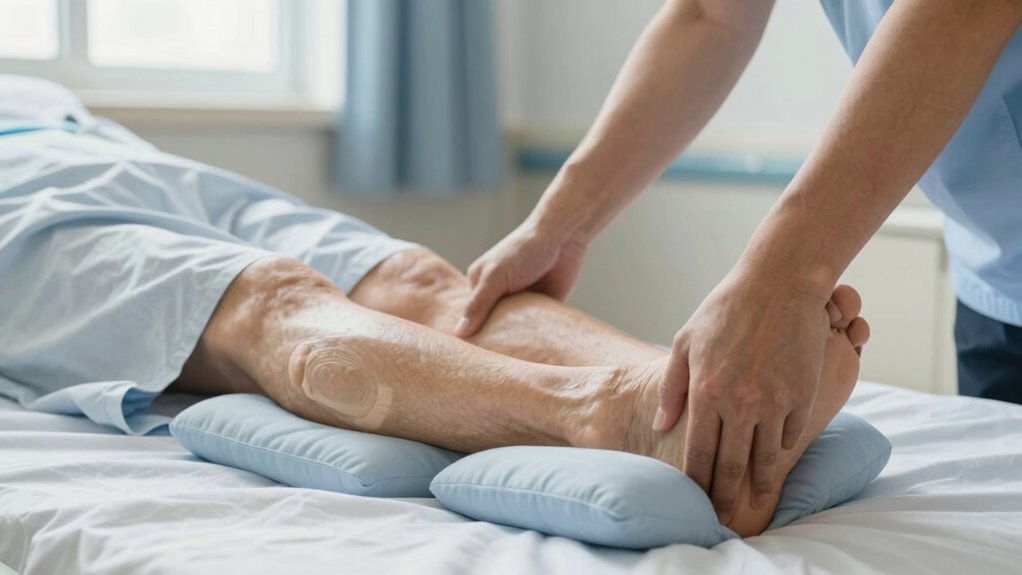
Preventing bedsores is essential for anyone with limited mobility or those who spend long periods in bed or a wheelchair. Building a bedsore prevention routine starts with understanding how pressure relief plays a critical role. When you stay in one position for too long, pressure builds up on certain areas of your body, cutting off blood flow and increasing the risk of skin breakdown. To avoid this, you need to shift your position regularly—every two hours is a good rule of thumb. Use pillows or cushions to offload pressure from vulnerable spots like your hips, heels, and sacrum. Incorporating these small changes helps distribute your weight evenly and reduces sustained pressure on any single area.
Shifting positions every two hours and using cushions helps prevent pressure buildup and skin breakdown.
Another key component of your routine is maintaining skin hydration. Dry, cracked skin becomes more prone to damage, so it’s important to keep your skin moisturized. Use gentle, fragrance-free moisturizers that are suitable for sensitive skin, and apply them daily, especially after bathing. Proper hydration keeps your skin supple and resilient, making it less susceptible to tears and ulcers. Also, avoid harsh soaps or hot water that can strip away natural oils, leaving your skin vulnerable. Instead, opt for mild cleansers and lukewarm water, gently patting your skin dry afterward to prevent moisture loss. Regularly inspecting your skin for early signs of redness, swelling, or skin discoloration is also crucial, as early detection can help prevent the development of bedsores.
In addition to pressure relief and skin hydration, paying attention to your overall skin health is indispensable. Regularly inspect your skin for early signs of redness, swelling, or skin discoloration. Catching problems early allows you to take immediate action before they develop into full-blown sores. Keep your bedding and clothing clean and dry, as moisture and dirt can irritate your skin and foster bacterial growth. Wearing comfortable, breathable fabrics helps reduce sweating and skin irritation, further protecting your skin. Additionally, understanding the importance of indoor air quality can help prevent skin issues by reducing moisture and irritants that might exacerbate skin problems. Proper nutrition and hydration from the inside out also support skin integrity and healing processes. Eating a balanced diet rich in vitamins C and E, zinc, and protein supports skin repair and immune function. Drinking enough water keeps your skin hydrated from within, complementing your topical efforts. Maintaining a healthy environment by controlling humidity levels and ensuring good ventilation can significantly reduce skin irritation and the risk of sores. A comprehensive approach that includes environmental factors and lifestyle choices enhances the effectiveness of your routine. Regular communication with healthcare professionals is also vital, as they can provide guidance on pressure redistribution devices like specialized cushions or mattresses designed to reduce pressure and improve comfort.
pressure redistribution cushions for bedsore prevention
As an affiliate, we earn on qualifying purchases.
As an affiliate, we earn on qualifying purchases.
Frequently Asked Questions
How Often Should I Change a Patient’s Position for Optimal Prevention?
You should change the patient’s position every two hours to prevent pressure ulcers effectively. During this process, perform a thorough skin assessment to spot early signs of redness or breakdown. Use pressure redistribution techniques like adjusting cushions or mattresses to reduce continuous pressure on vulnerable areas. Regular repositioning, combined with skin checks, helps maintain circulation and skin integrity, minimizing bedsore risk and promoting overall comfort and health.
Are There Specific Cushions or Supports That Prevent Bedsores Effectively?
You should consider pressure redistribution cushions like foam or gel overlays that help prevent bedsores. For example, a patient who used a high-quality memory foam cushion experienced less skin breakdown over several weeks. When selecting a cushion, prioritize proper pressure redistribution and support tailored to the patient’s needs. Regularly inspecting skin and adjusting the cushion guarantees the best prevention, making the support both effective and comfortable.
What Are Early Signs of Developing Bedsores to Watch For?
You should regularly perform skin inspections, especially over bony areas like heels, hips, and tailbone, to catch early signs of bedsores. Watch for redness, discoloration, or warmth that doesn’t fade. Keep an eye on risk factors such as immobility, moisture, or poor nutrition, which increase bedsore development chances. Promptly addressing these signs and risk factors helps prevent worsening sores and promotes quicker healing.
How Do Nutrition and Hydration Impact Bedsore Prevention?
Think of your body as a delicate garden; good nutrition and hydration are the nourishing rain and sunlight. Nutritional assessment helps identify what your body needs to stay resilient, while hydration importance keeps tissues supple and ready to heal. By maintaining proper nutrition and drinking enough fluids, you strengthen your skin’s defenses, reducing bedsore risk. Proper care acts like tending this garden, ensuring it remains healthy and protected.
Can Exercise or Movement Therapies Reduce Bedsore Risk?
Yes, exercise and movement therapies can reduce bedsore risk by promoting pressure relief and improving circulation. You should regularly shift positions and incorporate gentle movements to avoid prolonged pressure on vulnerable areas. Additionally, performing skin assessments helps you spot early signs of pressure damage. Consistent movement combined with active monitoring helps maintain healthy skin, ultimately lowering the chances of developing bedsores and supporting overall skin integrity.
Conclusion
Now that you know the essential steps to prevent bedsores, the real test begins. Will you stick to your routine even when life gets busy? Remember, consistency is key, but surprises will come your way—maybe a sudden change in comfort or an unexpected obstacle. Stay vigilant, adapt as needed, and never underestimate the power of your daily commitment. Because when it comes to preventing bedsores, the next small step could make all the difference—are you ready to take it?
Cold & flu season Picks
humidifiers
As an affiliate, we earn on qualifying purchases.