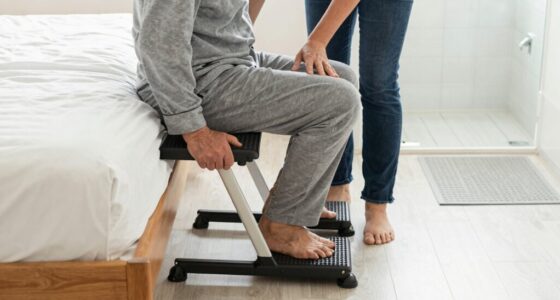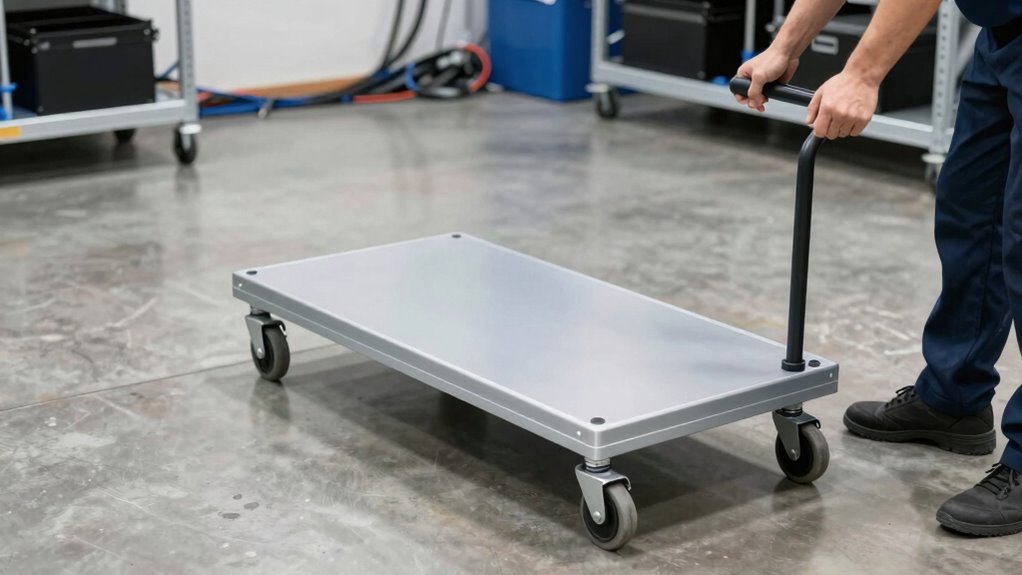

Before moving equipment between rooms, review safety protocols and make sure everyone understands handling techniques and protective gear. Verify calibration records and plan how you’ll handle equipment to prevent damage. Check that transport tools are ready and the new space meets safety, power, and environmental standards. Map out the best route and label items clearly. Confirm the new location is suitable and inspect equipment afterward. Keep these steps in mind to ensure a smooth transfer—there’s more to take into account to guarantee success.

Turn quiet afternoons into listening time
- Thousands of audiobooks, podcasts and originals
- Listen on your phone, tablet or Echo — also offline
- Cancel anytime
Key Takeaways
- Verify equipment calibration and perform necessary adjustments before and after the move.
- Plan the safest and most efficient route, considering obstacles and door dimensions.
- Ensure personnel are trained in handling procedures and equipped with proper protective gear.
- Prepare the new space by checking power supply, environmental controls, and safety compliance.
- Secure equipment during transit and conduct post-move inspections for safety and functionality.
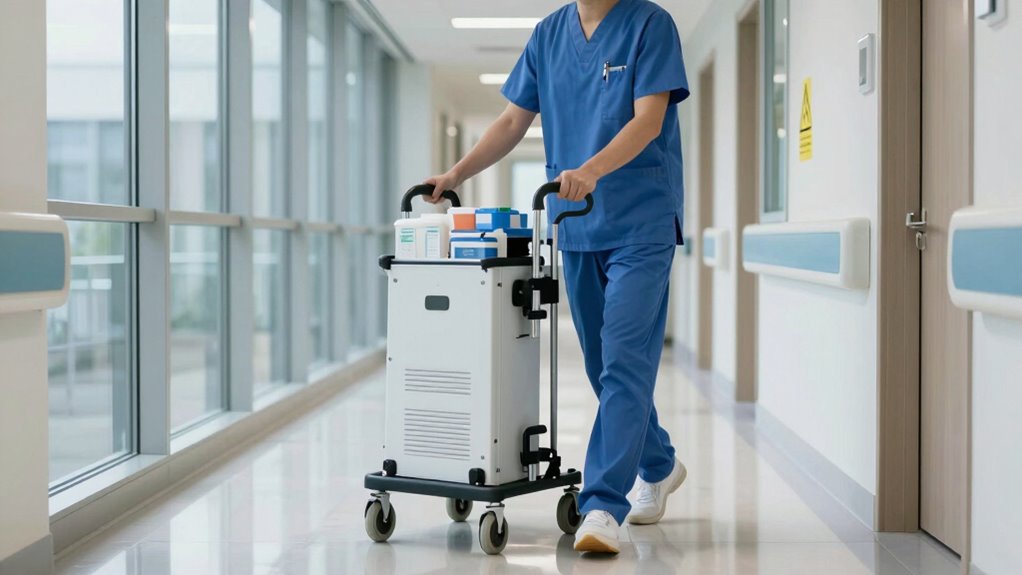
Moving transfer equipment between rooms might seem straightforward, but it requires careful planning to guarantee safety and efficiency. You need to think about more than just the physical act of moving the equipment; paying attention to safety protocols is essential to prevent injuries or accidents. Before you start, review the safety procedures specific to your facility. Make sure all personnel involved understand how to handle the equipment properly, including lifting techniques and proper use of protective gear. Establish clear communication channels so everyone stays informed about each step in the process. This way, you minimize the risk of mishaps and ensure everyone knows their responsibilities.
Careful planning and safety protocols are essential for moving transfer equipment efficiently and securely.
Another critical aspect is verifying that the equipment is properly calibrated before and after the move. Equipment calibration ensures that devices are functioning accurately, which is especially important if the transfer involves sensitive or precise instruments. If the equipment’s calibration is off, it can lead to faulty readings or malfunction, compromising patient safety or data integrity. Always check calibration records and perform necessary adjustments prior to moving the equipment. After relocating, re-calibrate as needed to confirm that the equipment remains within operational standards. This process helps catch any issues caused by vibrations, jostling, or improper handling during transit. Additionally, understanding the importance of calibration can help prevent costly errors and ensure consistent performance. Proper handling techniques and equipment safety protocols further reduce the risk of damage or malfunctions during the move. Being aware of the safe handling techniques is essential to protect both personnel and equipment during transit. Implementing comprehensive handling procedures can further safeguard the equipment from accidental damage. Considering the environmental conditions of the new location is also vital to ensure the equipment operates correctly and safely after the move.
Planning the logistics of the move is equally crucial. Map out the most efficient route between rooms, considering door widths, floor surfaces, and obstacle clearance. Use appropriate transport tools like carts or lifts designed for the equipment’s size and weight to reduce strain and prevent damage. Secure the equipment properly to avoid shifting or falling during transit. Label the equipment clearly, especially if multiple pieces are involved, to facilitate easy identification and setup in the new location.
In addition to physical considerations, think about the environment in the new room. Confirm that the space is suitable for the equipment’s requirements, such as adequate power sources, ventilation, or specific environmental controls. Double-check that the new location adheres to safety protocols, including clearance zones and accessibility standards. Once moved, conduct a thorough inspection to confirm the equipment’s integrity, functionality, and safety compliance.
equipment transfer safety straps
As an affiliate, we earn on qualifying purchases.
As an affiliate, we earn on qualifying purchases.
Frequently Asked Questions
How Do I Ensure the Transferred Equipment Remains Sterile?
To guarantee transferred equipment remains sterile, you should carefully follow sterilization protocols before moving it. Use sterile gloves and protective gear, and handle equipment minimally to prevent contamination. Keep the equipment in sterile containers or wraps during transfer, and avoid touching non-sterile surfaces. Monitoring and documenting sterility maintenance throughout the process helps prevent equipment contamination, ensuring it stays sterile until re-used or properly stored.
What Are the Best Methods to Secure Transfer Equipment During Movement?
You might believe that just wrapping equipment is enough, but proper packaging techniques and handling best practices are essential. Use secure, sterile packaging that prevents contamination and damage, such as sealed, rigid containers. During movement, hold equipment firmly, avoid sudden jolts, and keep it upright if needed. Always double-check that packaging is intact and labels are visible, ensuring safe, sterile transport and minimizing risks during transfers.
How Do I Identify Potential Hazards During Transfer?
You identify potential hazards during transfer by conducting a thorough hazard assessment beforehand. Look for obstacles, unstable surfaces, or electrical issues that could cause slips, trips, or equipment damage. Engage your team to spot risks you might overlook. Then, implement risk mitigation strategies like securing cords, using proper lifting techniques, and marking hazardous zones. Regularly reassess during transfer to address new risks promptly, ensuring safety throughout the process.
What Is the Recommended Transfer Procedure for Fragile Equipment?
Like an old scroll, handle fragile equipment with care, following handling precautions to prevent damage. Always check for fragile labels before moving, and use a stable, supportive method such as a padded cart or slide. Secure the equipment to avoid sudden jolts, and move slowly to minimize risks. Communicate with team members during transfer, ensuring everyone’s aware of the fragility and working together carefully to protect the equipment.
How Should I Document Equipment Transfer for Compliance Purposes?
You should accurately complete transfer documentation for compliance, detailing the equipment’s current location, condition, and handling procedures. Use clear equipment labeling to identify each device during the move, ensuring proper tracking and accountability. Record dates, personnel involved, and any observations or issues encountered. This thorough documentation helps verify the transfer process, maintains regulatory adherence, and provides a clear record for future audits or investigations.
Conclusion
Before you move transfer equipment between rooms, remember that careful planning is your guiding compass. Think about space, safety, and proper handling to prevent accidents and damage. It’s like steering a ship through calm waters—your attention guarantees a smooth voyage. By considering these factors, you’re not just shifting equipment; you’re guiding your workflow toward efficiency and safety, turning what could be chaos into a well-orchestrated dance of precision.
Cold & flu season Picks
humidifiers
As an affiliate, we earn on qualifying purchases.