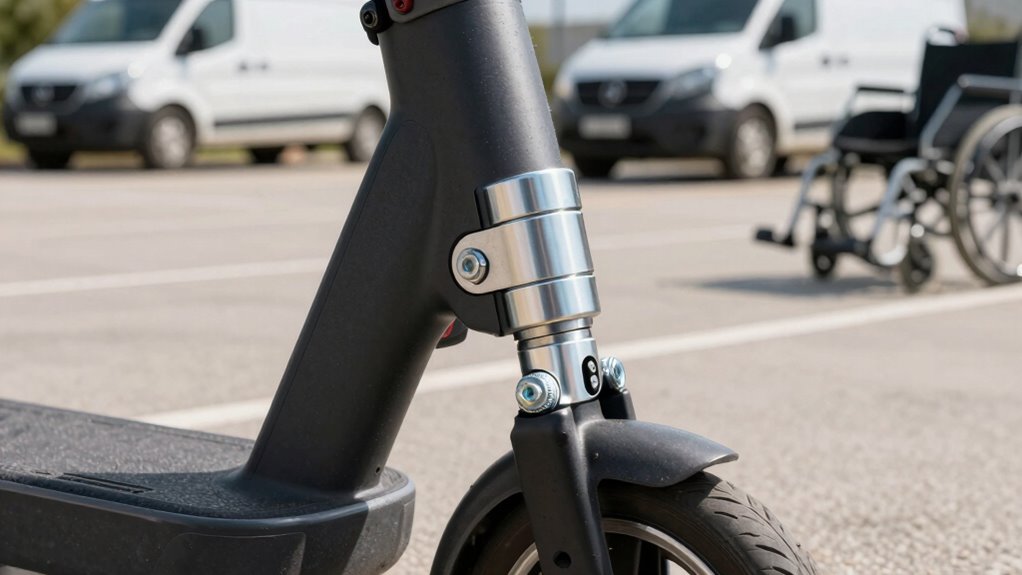

Choosing the right hitch capacity for your scooter or wheelchair lift is vital to guarantee safe, secure transport. An improperly rated hitch can lead to instability, equipment damage, or even accidents on the road. It’s important to match the hitch’s capacity with your lift’s weight and your vehicle’s limits. Doing so prevents dangerous detachment or failure. If you want to learn more about selecting the best hitch for your needs, keep exploring these essential safety tips.

Turn quiet afternoons into listening time
- Thousands of audiobooks, podcasts and originals
- Listen on your phone, tablet or Echo — also offline
- Cancel anytime
Key Takeaways
- Ensures the hitch can safely support the weight of scooters or wheelchairs during transport.
- Prevents hitch failure that could lead to accidents or damage to the lift and vehicle.
- Proper capacity maintains stability and prevents sway or detachment while driving.
- Matching hitch capacity with lift specifications ensures secure, reliable attachment.
- Choosing the right capacity reduces safety risks and potential costly repairs.
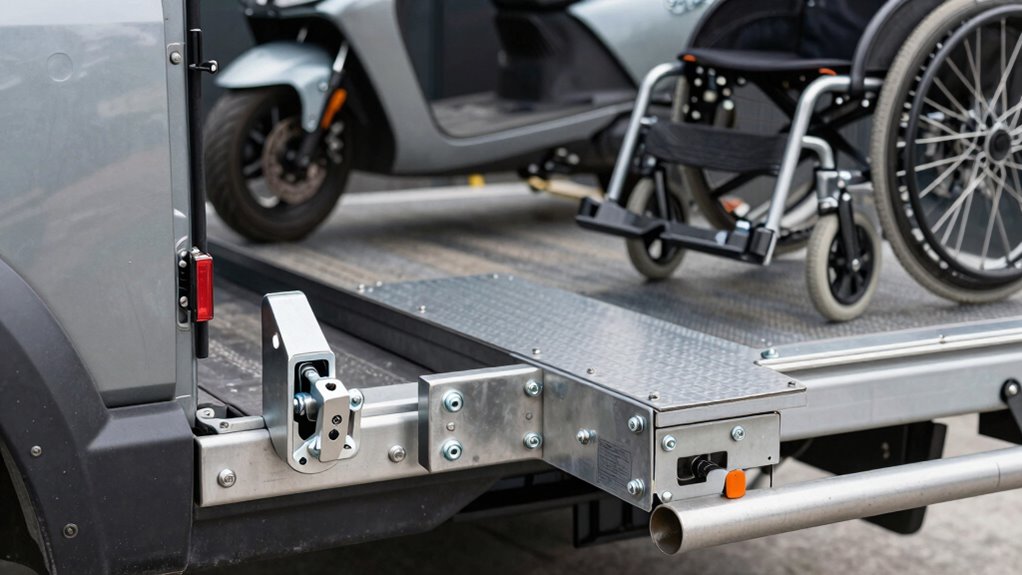
Have you ever wondered why choosing the right hitch capacity is so important? When you’re dealing with scooter and wheelchair lifts, selecting the proper hitch capacity isn’t just about making sure your equipment fits; it’s about ensuring safety and reliable performance. The hitch acts as the connection point between your vehicle and the lift, so if it’s not rated correctly, you risk damaging your equipment or creating dangerous situations on the road. One critical aspect to consider is trailer compatibility—how well your hitch matches the lift’s weight and design. If your hitch isn’t rated for the load you’re planning to carry, it can lead to instability, undue stress on the hitch, and potential failure during transit. Proper trailer compatibility ensures that your lift remains secure and stable, preventing sudden detachment or sway that could compromise your safety.
Safety considerations are at the core of why hitch capacity matters. When you overload a hitch, you increase the risk of accidents, which could result in injury or damage to your vehicle, lift, or the cargo itself. An under-capacity hitch might seem like an easy fix, but it’s a dangerous shortcut that can result in catastrophic failure. Choosing a hitch with the right capacity means you’re respecting the weight limits set by the manufacturer, which is essential for safe transportation. It also means you’re less likely to experience issues such as hitch sway, detachment, or damage to your vehicle’s suspension system. These safety considerations are not just about protecting your equipment—they’re about protecting everyone on the road. Additionally, understanding the hitch capacity helps you make informed decisions and avoid costly repairs or accidents caused by improper weight distribution. Knowing the proper hitch ratings can also help you select accessories and components that match your specific needs.
Understanding your lift’s weight and size specifications is crucial when selecting a hitch. Many lifts are designed for specific capacities, and using a hitch that’s too weak can mean your setup isn’t secure enough to handle the load safely. Conversely, opting for a hitch with a significantly higher capacity than needed might seem like a good idea, but it can also lead to unnecessary complexity and weight, making installation and handling more cumbersome. It is also important to consider hitch maintenance to ensure safety and longevity over time. The key is to find a hitch that aligns perfectly with your lift’s weight and trailer compatibility needs, ensuring safe, smooth operation every time you hit the road.
In the end, choosing the right hitch capacity isn’t just about meeting technical requirements. It’s about peace of mind—knowing your scooter or wheelchair lift is securely attached, your trailer compatibility is optimized, and safety considerations are fully addressed. This careful attention to detail helps you avoid accidents, damage, and costly repairs, allowing you to focus on what matters most: getting where you need to go safely and confidently.
As an affiliate, we earn on qualifying purchases.
Frequently Asked Questions
Can Hitch Capacity Affect Lift Installation Options?
Yes, hitch capacity can affect your lift installation options. If your hitch isn’t compatible or has a limited capacity, you’ll face restrictions on the type and weight of lift you can install. This impacts installation flexibility, making it essential to check your vehicle’s hitch compatibility beforehand. Ensuring your hitch can handle the lift’s weight guarantees a safe, secure setup and more options for your scooter or wheelchair lift.
What Are the Safety Risks of Exceeding Hitch Capacity?
Exceeding hitch capacity poses safety risks like hitch failure, which can cause accidents or damage your vehicle. Poor hitch compatibility and improper weight distribution increase these dangers, risking loss of control or injury. Always stay within the recommended hitch capacity to guarantee your lift operates safely. Properly balancing weight and choosing the right hitch prevents strain, preserves vehicle integrity, and keeps you and others safe during transport.
How Do I Check My Vehicle’s Hitch Capacity?
Think of your vehicle’s hitch capacity as its secret strength. To check it, look at your owner’s manual or the sticker on the hitch itself—these detail hitch compatibility and maximum weight limits. Always review towing regulations to guarantee safe use. This quick check keeps your scooter or wheelchair lift secure and your journey worry-free. Never guess—know your limits to stay safe on every trip.
Does Hitch Capacity Influence Lift Durability?
Yes, hitch capacity directly influences lift durability. A hitch made from strong material and properly rated for weight distribution guarantees your lift can handle daily use without damage. If your hitch isn’t rated for the weight of your scooter or wheelchair, it risks bending or breaking, reducing the lift’s lifespan. Always match your hitch’s capacity with the weight of your mobility device and confirm the load is evenly distributed.
Are There Different Hitch Types for Scooters and Wheelchairs?
Did you know there are over 50 different hitch types for scooters and wheelchairs? Yes, they vary to guarantee scooter compatibility and wheelchair fit. You’ll find options like receiver hitches, pin-style mounts, and specialized brackets, each designed for different vehicle and lift needs. Choosing the right hitch type is essential for secure, safe transport and smooth operation, so always check your lift’s specifications before making a selection.
Conclusion
Understanding hitch capacity is vital when choosing scooter and wheelchair lifts, as it guarantees safety and compatibility. Did you know that over 60% of vehicle-related accidents involve improper hitch installations? By paying attention to hitch capacity, you prevent potential damage and accidents, giving you peace of mind. Always double-check your vehicle’s weight limits and lift specifications—you’ll be safer and more confident on your journeys. Proper planning makes all the difference in reliable, stress-free mobility.
Halloween Picks
halloween
As an affiliate, we earn on qualifying purchases.