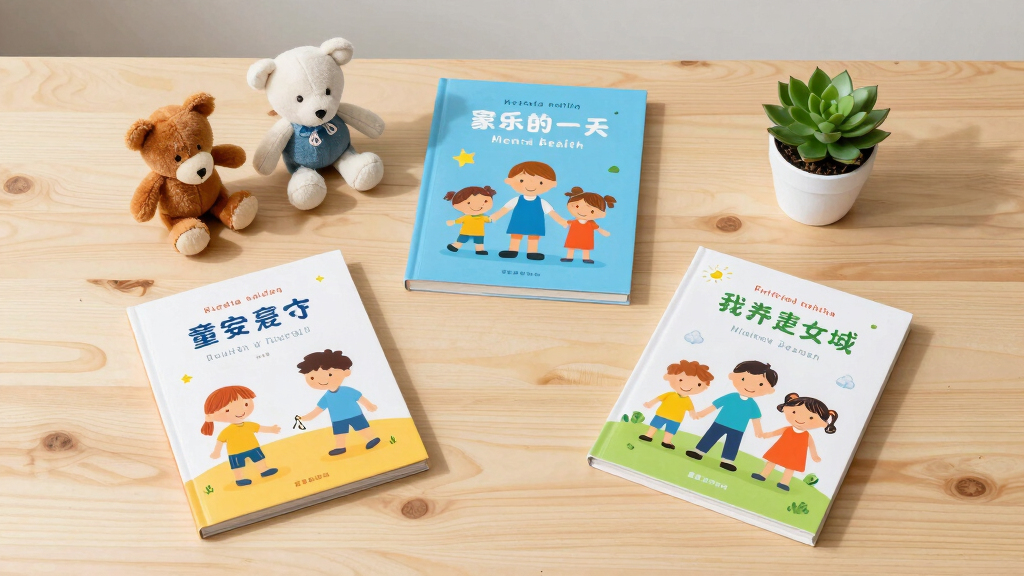

Finding the right children’s books about mental health can be challenging, as each book offers different approaches—some focus on managing anxiety, others on understanding emotions, or building resilience. The best overall pick combines accessible language with practical lessons, making it ideal for a wide age range. Happy, Healthy Minds stands out for its comprehensive approach to emotional wellbeing, while The Rabbit Listened excels in fostering empathy and patience. Readers will face tradeoffs between depth and simplicity, or between emotional comfort and educational value. Keep reading for a detailed breakdown of the top options and how to choose the best fit for your child’s needs.

Turn quiet afternoons into listening time
- Thousands of audiobooks, podcasts and originals
- Listen on your phone, tablet or Echo — also offline
- Cancel anytime
Key Takeaways
- Top picks balance emotional comfort with practical coping strategies, making them suitable for different maturity levels.
- Books that focus on empathy and resilience tend to have broader appeal beyond specific issues like anxiety or sadness.
- The most effective books integrate relatable stories with actionable lessons, rather than just describing feelings.
- Price and format vary widely; consider whether your child prefers illustrated stories, activity-based books, or straightforward guides.
- Many top books complement professional mental health resources, but the best ones are accessible without needing expert guidance.
| Sometimes I’m Anxious: A Child’s Guide to Overcoming Anxiety and Social Emotional Learning |  | Best Overall | ASIN: 1510747486 | VIEW LATEST PRICE | See Our Full Breakdown | ||
| Happy, Healthy Minds: A Children’s Guide to Emotional Wellbeing |  | Best Value | ASIN: 1912891190 | VIEW LATEST PRICE | See Our Full Breakdown | ||
| The Rabbit Listened |  | Best for Empathy and Listening Skills | ASIN: 073522935X | VIEW LATEST PRICE | See Our Full Breakdown | ||
| The Big Feelings Book for Children: Mindfulness Moments to Manage Anger, Excitement, Anxiety, and Sadness |  | Best for Emotional Regulation Techniques | ASIN: 1638781494 | VIEW LATEST PRICE | See Our Full Breakdown | ||
| Breathe Like a Bear: 30 Mindful Moments for Kids to Feel Calm and Focused |  | Best Portable Mindfulness Tool | ASIN: 1623368839 | VIEW LATEST PRICE | See Our Full Breakdown | ||
| The Hugging Tree: A Story about Resilience |  | Best for Building Resilience and Emotional Strength | Target Age Range: 4-8 years | Page Count: 32 pages | Illustration Style: Soft, calming watercolor | VIEW LATEST PRICE | See Our Full Breakdown |
| B is for Breathe: The ABCs of Coping with Fussy and Frustrating Feelings |  | Best for Teaching Emotional Regulation with an ABC Approach | Target Age Range: 3-7 years | Format: Paperback | Series: Kids Healthy Coping Skills | VIEW LATEST PRICE | See Our Full Breakdown |
| A Kids Book About Mental Health |  | Best for Age-Appropriate Mental Health Education | Target Age Range: 5-9 years | Page Count: 32 pages | Illustration Style: Bright, engaging illustrations | VIEW LATEST PRICE | See Our Full Breakdown |
| My Strong Mind: Developing Mental Strength for Kids |  | Best for Building Mental Strength and Social Skills | Target Age Range: 5-10 years | Page Count: 40 pages | Illustrations: Colorful, engaging | VIEW LATEST PRICE | See Our Full Breakdown |
| Too Much: An Overwhelming Day |  | Best for Explaining Overwhelm and Emotions | Target Age Range: 4-8 years | Page Count: 32 pages | Illustration Style: Bright, energetic | VIEW LATEST PRICE | See Our Full Breakdown |
| The Color Monster: A Story About Emotions |  | Best Overall for Emotional Recognition | Format: Paperback | Age Range: 3-7 years | Illustrations: Vibrant, colorful | VIEW LATEST PRICE | See Our Full Breakdown |
| Do You Have a Secret?: A Children’s Mental Health Book to Keep Kids Safe |  | Best for Safety and Open Dialogue | Format: Hardcover | Audience: Children | Themes: Secrets, safety, emotional awareness | VIEW LATEST PRICE | See Our Full Breakdown |
| The Invisible String |  | Best for Connection and Comfort | Format: Paperback | Age Range: 4-8 years | Themes: Love, connection, separation | VIEW LATEST PRICE | See Our Full Breakdown |
| When a Donut Goes to Therapy |  | Best for Humorous Engagement with Therapy Themes | Format: Hardcover | Audience: Children | Themes: Therapy, self-discovery, humor | VIEW LATEST PRICE | See Our Full Breakdown |
| A Terrible Thing Happened: A Story for Children Who Have Witnessed Violence or Trauma |  | Best for Trauma Processing | Format: Paperback | Audience: Children 5-10 | Themes: Trauma, violence, emotions | VIEW LATEST PRICE | See Our Full Breakdown |
More Details on Our Top Picks
Sometimes I’m Anxious stands out for its clear approach to helping children understand and manage anxiety through relatable stories and social-emotional techniques. Compared with The Big Feelings Book for Children, which offers mindfulness moments for various emotions, this book provides a targeted focus on anxiety, making it more suitable for children experiencing or at risk of anxiety issues. The book’s strength lies in its age-appropriate language and focus on social-emotional skills, though it could benefit from more detailed explanations of specific techniques. Its limited details about the techniques themselves might leave some parents craving more practical guidance. This pick is ideal for parents seeking a comprehensive, anxiety-specific resource for young children. However, those looking for a book with more interactive elements may find it less engaging.
Pros:- Teaches age-appropriate anxiety management strategies
- Uses relatable storytelling for children
- Focuses on social-emotional skill development
Cons:- Limited details provided about specific techniques
- No information on age range recommendations
Best for: Parents of young children who need a practical, anxiety-focused guide that normalizes feelings and teaches coping skills.
Not ideal for: Families seeking highly interactive or activity-based books, or those looking for detailed step-by-step techniques.
- ASIN:1510747486
Bottom line: This book is best for parents wanting a gentle, story-based introduction to anxiety management for early readers.
Happy, Healthy Minds: A Children’s Guide to Emotional Wellbeing
Happy, Healthy Minds offers a broad overview of emotional wellbeing, making it a solid choice for introducing children to emotional regulation. When compared with The Rabbit Listened, which emphasizes empathy and active listening, this guide provides a more comprehensive approach to managing a range of feelings. Its strength is in delivering essential emotional skills suitable for a wide age range, though it lacks specific guidance on interactive activities or exercises to reinforce learning. This makes it a good value for schools or families seeking foundational mental health concepts without added extras. This book works well for caregivers who want a straightforward, age-appropriate primer on emotional wellbeing. But, if you’re looking for a book with engaging activities, it might fall short.
Pros:- Teaches children essential emotional regulation skills
- Age-appropriate content for young readers
- Offers a broad overview suitable for various developmental levels
Cons:- No specific age range guidance provided
- Limited details on interactive elements or activities
Best for: Educators and parents seeking an affordable, all-in-one introduction to emotional health for elementary-age children.
Not ideal for: Parents looking for books with detailed activities or for children who need highly targeted anxiety or trauma support.
- ASIN:1912891190
Bottom line: This book is ideal for those wanting a comprehensive, budget-friendly resource for teaching emotional health basics.
The Rabbit Listened
The Rabbit Listened excels at highlighting the power of empathy through a simple yet profound story about a rabbit who listens. Unlike B is for Breathe, which focuses on coping with frustrating feelings through breathing, this book emphasizes the importance of listening as a way to support others, making it especially valuable for teaching empathy. Its straightforward narrative makes it accessible for very young children, though the lack of additional content or activities might limit its use as a standalone resource. This pick is perfect for parents and educators wanting to foster empathy and active listening in early childhood. However, those seeking more structured emotional regulation strategies may find it less comprehensive.
Pros:- Heartwarming story with an important life lesson
- Simple yet meaningful narrative for children
- Helps develop empathy and active listening skills
Cons:- No additional details available due to missing product content
- Limited specifications provided
Best for: Parents or teachers aiming to cultivate empathy, listening skills, and emotional understanding in preschool or early elementary children.
Not ideal for: Readers seeking detailed techniques for managing specific emotions or trauma recovery, as it is more about social skills than emotional regulation strategies.
- ASIN:073522935X
Bottom line: This book is best for fostering empathy and listening skills among young children in a gentle, accessible way.
The Big Feelings Book for Children: Mindfulness Moments to Manage Anger, Excitement, Anxiety, and Sadness
The Big Feelings Book for Children provides targeted mindfulness exercises to help kids recognize and manage a broad spectrum of emotions, from anger to sadness. Compared with Breathe Like a Bear, which offers quick breathing exercises for calmness, this book offers more structured mindfulness moments tailored to specific feelings, making it suitable for children who need concrete coping strategies. Its main strength is in its practical approach to emotional regulation, although without detailed descriptions of each technique or accompanying activities, some children might find it less engaging or too generic. This book is well-suited for children who can benefit from specific emotional strategies but prefer guided exercises over open-ended stories. However, for very young children or those with limited attention spans, it might require adult guidance.
Pros:- Provides specific mindfulness moments for different emotions
- Helps children develop emotional awareness and regulation
- Structured format makes techniques easy to follow
Cons:- Lacks detailed descriptions or activities for reinforcement
- May require adult facilitation for effective use
Best for: Parents and educators looking for a structured, emotion-specific mindfulness resource to help children develop self-regulation skills.
Not ideal for: Families seeking more narrative-driven or story-based approaches, or children who prefer highly interactive content.
- ASIN:1638781494
Bottom line: This book is best for children ready to learn concrete mindfulness techniques to manage a variety of feelings.
Breathe Like a Bear: 30 Mindful Moments for Kids to Feel Calm and Focused
Breathe Like a Bear offers a collection of 30 brief, practical breathing exercises designed to help children feel calm and concentrate. It excels in portability, making it easy to use in various settings, from classrooms to car rides. Unlike The Rabbit Listened, which emphasizes empathy, this book focuses on teaching children simple techniques they can apply independently. Its main advantage is in fostering self-regulation through accessible exercises, though its effectiveness hinges on the child’s willingness to engage. Without digital or interactive resources, it relies purely on the child’s motivation. This guide is excellent for parents and teachers seeking quick, effective calming techniques that can be used anytime, anywhere. However, children who need more engaging stories or comprehensive emotional education may find it less satisfying.
Pros:- Teaches mindfulness and breathing techniques for kids
- Portable format allows use anytime/anywhere
- Helps develop focus and emotional regulation
Cons:- Effectiveness depends on child’s engagement
- No digital companion resources mentioned
Best for: Parents, teachers, or caregivers looking for a portable, easy-to-implement tool to help children stay calm and focused throughout the day.
Not ideal for: Children who prefer narrative stories or interactive activities over breathing exercises, or families wanting digital supplement options.
- ASIN:1623368839
Bottom line: This book is ideal for those seeking quick, practical breathing exercises that children can do independently in various situations.
The Hugging Tree: A Story about Resilience
“The Hugging Tree” stands out for its gentle storytelling that emphasizes resilience through the metaphor of a sturdy, embracing tree. Unlike books like “The Rabbit Listened” which focus on empathy, this story centers on teaching children how to bounce back from setbacks by connecting with nature and inner strength. It’s especially effective for kids who need reassurance about overcoming difficulties, but its focus on resilience means it might lack detailed strategies for managing specific emotions. The illustrations complement the calming tone, making it a good choice for children struggling with persistent worries or frustrations. However, the book’s simplicity might leave parents seeking more concrete coping techniques.
Pros:- Beautiful, calming illustrations that reinforce the theme of resilience
- Simple, relatable metaphor that is easy for young children to understand
- Encourages emotional strength and perseverance
Cons:- Lacks specific coping strategies or exercises for emotional regulation
- May be too abstract for children needing concrete mental health tools
Best for: Parents and educators looking to foster resilience and emotional endurance in children facing ongoing challenges.
Not ideal for: Children who need explicit guidance on managing intense feelings or specific mental health conditions, as the story is more metaphorical than instructional.
- Target Age Range:4-8 years
- Page Count:32 pages
- Illustration Style:Soft, calming watercolor
- Themes:Resilience, Emotional Strength
Bottom line: This book is ideal for children needing reassurance and to learn resilience, especially when combined with more practical tools.
B is for Breathe: The ABCs of Coping with Fussy and Frustrating Feelings
“B is for Breathe” makes the list as a practical introduction to emotional regulation, using a memorable ABC format to teach children healthy coping skills. Compared with “The Color Monster” which visualizes emotions, this book offers specific strategies—like breathing exercises—that kids can implement immediately. While it’s straightforward and educational, its focus on coping mechanisms means it doesn’t delve into deeper emotional understanding or complex mental health issues. The clear, alphabet-based format makes it accessible for young children, especially those just beginning to learn how to manage frustration or anxiety. However, it may lack the emotional nuance some children need as they grow older or face more complex feelings.
Pros:- Engaging ABC format that simplifies learning
- Teaches practical coping skills like breathing and calming techniques
- Part of a reputable series focused on emotional health
Cons:- Limited detail about how to adapt strategies for individual needs
- No additional features or activities included
Best for: Parents and teachers seeking an engaging, easy-to-understand tool for teaching basic emotional regulation skills to young children.
Not ideal for: Children with more advanced emotional or mental health needs who require deeper understanding or therapeutic interventions, as this focuses mainly on coping techniques.
- Target Age Range:3-7 years
- Format:Paperback
- Series:Kids Healthy Coping Skills
- Learning Focus:Emotional regulation, coping strategies
Bottom line: This book works well for introducing young children to coping strategies in a fun, memorable way, but may need to be supplemented for more complex emotional needs.
A Kids Book About Mental Health
“A Kids Book About Mental Health” offers a straightforward, accessible overview of emotional well-being, making it a solid choice for introducing mental health concepts. It compares favorably to “The Invisible String” by emphasizing emotional awareness, yet it stops short of exploring trauma or complex disorders in depth. The language is simple enough for early readers, which helps demystify feelings and reduce stigma. Its limited scope, however, means it’s best suited for general emotional understanding rather than addressing specific mental health challenges. This makes it a good starting point but not sufficient for children who need targeted support for anxiety, depression, or other conditions.
Pros:- Clear, simple language that children understand easily
- Promotes emotional awareness and openness
- Suitable for diverse backgrounds and settings
Cons:- Limited depth on complex mental health issues
- Does not include activities or exercises for emotional skill-building
Best for: Parents and educators seeking a clear, age-appropriate introduction to mental health that fosters open conversations.
Not ideal for: Children requiring detailed information about mental health disorders or therapeutic interventions, as the content remains surface-level.
- Target Age Range:5-9 years
- Page Count:32 pages
- Illustration Style:Bright, engaging illustrations
- Focus:Mental health awareness, emotional understanding
Bottom line: This book is best for introducing mental health topics in a gentle way, serving as a conversation starter rather than a comprehensive guide.
My Strong Mind: Developing Mental Strength for Kids
“My Strong Mind” emphasizes developing resilience and social skills, making it a practical resource for fostering emotional toughness in children. Unlike “The Big Feelings Book for Children” which offers mindfulness moments, this book specifically targets mental strength and social competence, which is vital for navigating school and peer relationships. It provides clear, age-appropriate language, but its lack of specific activities or exercises limits hands-on application. This pick is ideal for parents or teachers looking for a motivational book that encourages children to develop enduring mental habits, though it might benefit from supplementary activities to deepen engagement.
Pros:- Focuses on resilience and social skills development
- Age-appropriate language that motivates children
- Encourages positive mindset and perseverance
Cons:- No included activities or exercises for reinforcement
- Limited guidance for parents or teachers on implementation
Best for: Parents and educators who want to promote mental resilience and social skills in children through empowering messages.
Not ideal for: Children seeking detailed emotional regulation techniques or dealing with acute mental health issues, since the focus is on strength-building rather than therapy.
- Target Age Range:5-10 years
- Page Count:40 pages
- Illustrations:Colorful, engaging
- Themes:Mental strength, social skills
Bottom line: Ideal for fostering mental toughness and social confidence, especially when combined with practical activities or coaching.
Too Much: An Overwhelming Day
“Too Much” tackles the common challenge of feeling overwhelmed by vividly illustrating a child’s busy, emotion-filled day. Compared with “The Big Feelings Book for Children” which covers a range of emotions, this book zooms in on the experience of overwhelm and helps children understand why they feel overloaded. Its colorful, energetic illustrations mirror the chaos children often feel, making it accessible for kids who struggle with sensory overload or anxiety. However, it may not provide enough guidance on how to manage these feelings effectively, limiting its usefulness as a standalone coping tool. It’s best used as a conversation starter or validation of feelings, rather than a comprehensive emotional regulation resource.
Pros:- Vivid, energetic illustrations that depict overwhelm
- Relatable scenario that many children experience
- Helps children feel understood and validated
Cons:- Limited guidance on coping strategies or solutions
- May need to be supplemented with tools for emotional regulation
Best for: Parents and educators seeking to validate children’s feelings of overwhelm and start conversations about emotional overload.
Not ideal for: Children needing detailed strategies or ongoing support for anxiety or emotional regulation, as the book mainly acknowledges feelings without offering solutions.
- Target Age Range:4-8 years
- Page Count:32 pages
- Illustration Style:Bright, energetic
- Themes:Overwhelm, emotions
Bottom line: This book is useful for helping children recognize and validate feelings of overwhelm, but should be paired with practical coping techniques for best results.
The Color Monster: A Story About Emotions
Compared with more comprehensive titles like The Big Feelings Book for Children, The Color Monster stands out for its simplicity and visual appeal, making it ideal for introducing very young children to emotions. Its vibrant illustrations and color associations help kids easily identify and articulate feelings, fostering emotional literacy early on. However, its focus on basic emotions means it offers limited depth for children ready to explore more complex emotional states. This book is particularly effective for preschoolers or children just beginning to understand their feelings, but less suitable for older kids seeking nuanced conversations.
Pros:- Bright, engaging illustrations that capture children’s attention
- Simple language that is easy for young children to understand
- Effective visual analogy linking colors to emotions
Cons:- Limited depth, mainly suitable for ages 3-7
- Does not explore complex emotional states or mental health topics
Best for: Parents of preschool children or educators seeking an engaging introduction to emotions for young learners
Not ideal for: Children aged 8 and above, who may find the content too simplistic and crave deeper emotional exploration
- Format:Paperback
- Age Range:3-7 years
- Illustrations:Vibrant, colorful
- Language:Simple
- Themes:Emotions, feelings
- Pages:32
Bottom line: This book makes a strong choice for early emotional education, especially for the youngest children starting to recognize their feelings.
Do You Have a Secret?: A Children’s Mental Health Book to Keep Kids Safe
This pick emphasizes safety and emotional awareness, making it ideal for classrooms or families wanting to foster open conversations about secrets and emotions. While it encourages children to share and seek help, its narrow focus on secrets might limit its usefulness for broader mental health issues compared with titles like Sometimes I’m Anxious. The book’s straightforward approach works well with children who need guidance on personal safety but may require adult facilitation for sensitive topics. It’s best suited for children around ages 5-10 who are ready to understand boundaries and emotional safety without overwhelming them.
Pros:- Promotes important safety and emotional awareness discussions
- Classroom-friendly and easy to incorporate into lessons
- Empowers children to speak up about uncomfortable topics
Cons:- Limited scope, focused mainly on secrets and safety
- May require adult guidance for sensitive issues
- Not designed to address deep emotional or mental health challenges
Best for: Educators or parents seeking a conversation starter about safety and secrets for children aged 5-10
Not ideal for: Younger children under 5 or kids needing more comprehensive emotional mental health support
- Format:Hardcover
- Audience:Children
- Themes:Secrets, safety, emotional awareness
- Pages:32
- Approach:Educational, conversational
- Suitable Age:5-10
Bottom line: This book is a practical tool for fostering safety conversations, best used alongside more comprehensive mental health resources.
The Invisible String
Compared with A Terrible Thing Happened, which tackles trauma directly, The Invisible String offers a gentle, reassuring metaphor that resonates with children experiencing separation or loss. Its simple story about an invisible string connecting loved ones helps children feel secure and loved, making it a great choice for emotional reassurance. However, its straightforward narrative may be too basic for children seeking to understand grief or trauma more deeply. It excels for children who need comfort and a sense of ongoing connection, especially around separation anxiety or family change, but isn’t suited for addressing complex traumatic experiences.
Pros:- Simple, relatable metaphor for emotional bonds
- Calming and reassuring tone suitable for young children
- Versatile for various situations like separation or illness
Cons:- Limited complexity, may not satisfy older children or those needing deeper understanding
- Primarily focused on connection, less on emotional regulation or mental health issues
Best for: Parents or caregivers seeking a comforting story about love and connection for children dealing with separation or loss
Not ideal for: Children facing intense trauma or grief requiring more detailed support or professional intervention
- Format:Paperback
- Age Range:4-8 years
- Themes:Love, connection, separation
- Pages:32
- Illustrations:Simple and warm
- Approach:Reassuring metaphor
Bottom line: This book offers a gentle reassurance for children needing comfort through connection, ideal for early emotional support.
When a Donut Goes to Therapy
Unlike more serious titles such as A Terrible Thing Happened, this humorous story uses a whimsical donut character to explore feelings and therapy in a lighthearted way. It makes therapy approachable and fun, especially for children hesitant about mental health topics. Its creative storytelling appeals to both kids and adults, but the lack of detailed discussion or emotional depth might make it less suitable for children needing serious support or dealing with trauma. This book works best as an introduction to therapy concepts for younger or more playful audiences, though it might leave older children wanting more substance.
Pros:- Creative, humorous approach makes therapy less intimidating
- Engages children with relatable themes of self-discovery
- Appeals to both children and adults through imaginative storytelling
Cons:- Limited detail, may not suit children needing serious mental health support
- Unclear age suitability due to humor style and abstract themes
Best for: Parents and educators introducing therapy or emotional growth to children who appreciate humor and whimsy
Not ideal for: Children with significant emotional or trauma issues requiring more in-depth intervention
- Format:Hardcover
- Audience:Children
- Themes:Therapy, self-discovery, humor
- Pages:40
- Illustrations:Whimsical and colorful
- Approach:Humor and imagination
Bottom line: This playful book is perfect for easing children into therapy concepts with humor, though it’s less suited for those needing detailed emotional help.
A Terrible Thing Happened: A Story for Children Who Have Witnessed Violence or Trauma
Compared to titles like The Invisible String, which offers comfort through connection, A Terrible Thing Happened confronts the reality of trauma with a gentle but honest narrative, making it a vital resource for children exposed to violence or traumatic events. Its realistic depiction helps children understand and process their feelings, but the content might be too intense for very young or sensitive readers without adult guidance. While it doesn’t replace professional therapy, this book provides a valuable starting point for conversations about difficult experiences, especially for children around ages 5-10 who need support in understanding trauma.
Pros:- Sensitive approach to difficult topics
- Helps children process complex emotions related to trauma
- Age-appropriate and gentle narrative
Cons:- Content may be too intense for very young or highly sensitive children
- Should not replace professional mental health care for severe cases
- Limited in scope for ongoing trauma recovery
Best for: Parents, teachers, or counselors working with children who have witnessed violence or trauma and need age-appropriate support
Not ideal for: Children too young for intense material or those not receiving professional support for trauma
- Format:Paperback
- Audience:Children 5-10
- Themes:Trauma, violence, emotions
- Pages:32
- Approach:Gentle, realistic
- Use:Trauma support
Bottom line: This book is an important tool for helping children understand and cope with traumatic experiences, best when used alongside professional support.
How We Picked
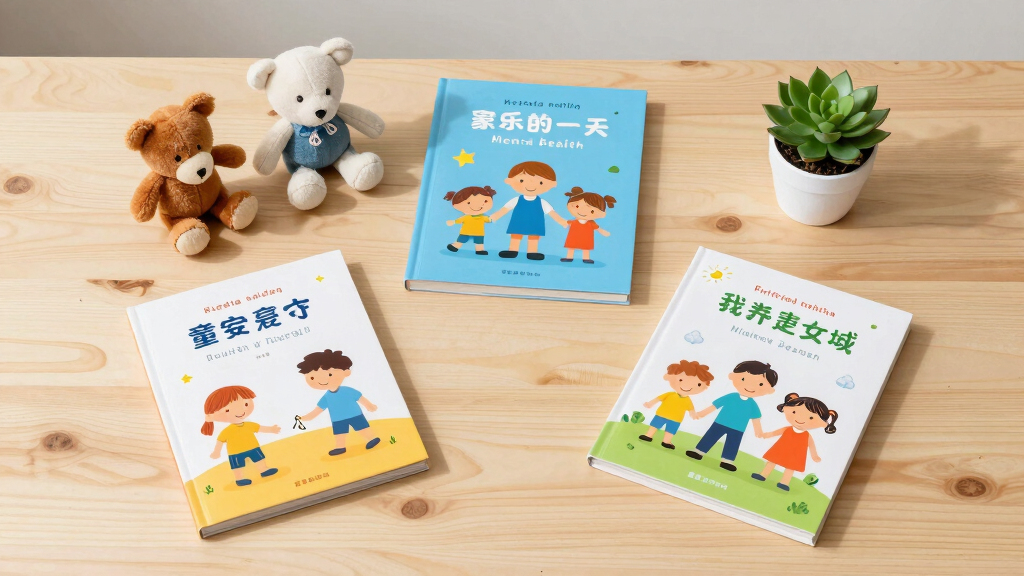
Our selection process centered on evaluating how well each book addresses key aspects of children’s mental health—clarity, relatability, and practicality. We prioritized books that are age-appropriate, engaging, and inclusive, with a focus on fostering understanding and emotional skills. Usability was also a factor; books that are easy to read and visually appealing tend to have a greater impact. We compared usability, depth of content, and overall relevance to ensure the top picks serve different needs, from beginners to those seeking more comprehensive resources. The ranking reflects a balance of accessibility, educational value, and emotional resonance.
Factors to Consider When Choosing Best Children’s Books About Mental Health
Choosing the best children’s books about mental health involves considering several important factors. You want a book that matches your child’s age, emotional maturity, and specific needs. Additionally, the style and tone should resonate with your child’s personality and learning preferences. Beyond content, consider the book’s format, illustrations, and whether it offers practical tools or just storytelling. Making an informed choice ensures the book will be both engaging and helpful, providing lasting benefits for your child’s mental well-being.Age-Appropriateness
Matching the book to your child’s developmental stage is essential. Younger children may benefit from simple stories that introduce basic emotions, while older kids are ready for more detailed discussions about mental health challenges. Look for books that explicitly state the recommended age range and check reviews for insight into how well they suit your child’s maturity level. An age-appropriate book can make complex topics more accessible and less intimidating.
Tone and Approach
The tone should strike a balance between honesty and reassurance. Some books adopt a gentle, comforting style, which is great for children feeling overwhelmed, while others use humor or adventure to engage reluctant readers. Consider your child’s personality—if they respond well to lighthearted stories, choose books with a playful tone; if they need validation and understanding, opt for more empathetic narratives. The approach impacts how well the message is received and retained.
Content Depth
Evaluate whether the book offers a surface-level introduction or a more comprehensive exploration of mental health topics. For children new to these concepts, a simple story with clear messages may be best. For kids already familiar or facing specific issues like anxiety, look for books that provide coping strategies or mindfulness techniques. Overloading a young child with complex information can be counterproductive, so match content depth to their current understanding.
Format and Visuals
Illustrations, layout, and overall design significantly influence engagement. Bright, colorful images can help convey emotions and keep attention, especially for younger children. Activity-based books or those with interactive elements might foster active learning, while straightforward stories are more suitable for quiet reading. Think about your child’s preferences—visual learners may benefit from richly illustrated pages, while others may prefer text-heavy books.
Practical Tools and Takeaways
Some books include exercises, prompts, or tips that children can use independently or with guidance. These practical elements can reinforce learning and help children manage feelings more effectively. However, books that are purely narrative may be better for fostering empathy and understanding. Decide whether your goal is to inform, comfort, or provide actionable skills, and select accordingly.
Frequently Asked Questions
How do I choose a children’s book that’s appropriate for my child’s mental health needs?
Start by considering your child’s age, emotional maturity, and specific challenges. Read reviews or summaries to ensure the content is suitable and aligns with your goals—whether it’s helping with anxiety, building resilience, or understanding emotions. A good choice will be engaging, age-appropriate, and offer messages that resonate with your child’s experiences. If in doubt, consulting a mental health professional for recommendations can also guide you toward the most suitable options.
Are there books that can help children with specific conditions like anxiety or trauma?
Yes, many books target specific issues like anxiety or trauma, offering tailored strategies and empathetic stories. For example, books like Sometimes I’m Anxious focus on anxiety management, while A Terrible Thing Happened addresses trauma and witnessing violence. These titles often include coping techniques suitable for children, but it’s important to choose ones aligned with your child’s needs and always consider professional advice if you’re unsure about the best approach.
Should I choose a book with activities or just storytelling?
Deciding between activity-based books and storytelling depends on your child’s learning style and your goals. Activity books can reinforce concepts through interactive prompts, making lessons more memorable. Conversely, stories alone can foster empathy and understanding without overwhelming the child with tasks. Combining both types can be effective, but for initial introductions, a compelling story might be less intimidating and more accessible.
How often should I read mental health books with my child?
Frequency varies based on your child’s needs and interest. Regular reading sessions—weekly or bi-weekly—can provide ongoing support and create a safe space for discussions. For children experiencing specific challenges, more frequent reading combined with open conversations may be beneficial. The goal is to make these books a natural part of your routine, helping your child develop a healthy understanding of emotions over time.
Can these books replace professional mental health support?
While children’s books about mental health can introduce concepts and foster understanding, they should not replace professional care when needed. These books are valuable tools for education and emotional support, but ongoing issues like anxiety, depression, or trauma often require guidance from mental health professionals. Use books as supplementary resources alongside expert advice and therapy to ensure comprehensive support for your child’s well-being.
Conclusion
For parents seeking a comprehensive, engaging resource, Sometimes I’m Anxious offers practical strategies for children new to mental health topics, making it ideal for beginners. Those prioritizing emotional resilience and mindfulness may find Breathe Like a Bear or The Big Feelings Book for Children to be especially helpful. If you’re looking for the best overall, Happy, Healthy Minds balances clarity and depth for a broad age range. Budget-conscious families will appreciate affordable options like The Color Monster, while those wanting a premium experience might opt for illustrated editions with additional activities. Ultimately, choosing the right book depends on your child’s personality and your specific goals—this guide aims to help you find the perfect match.
Fall Picks
fall essentials
As an affiliate, we earn on qualifying purchases.