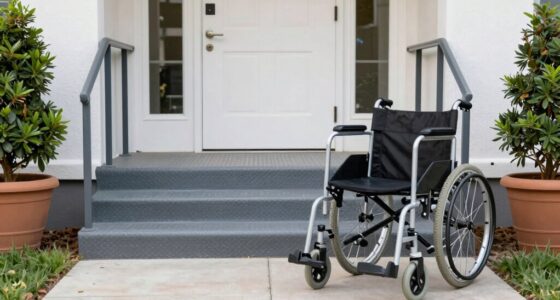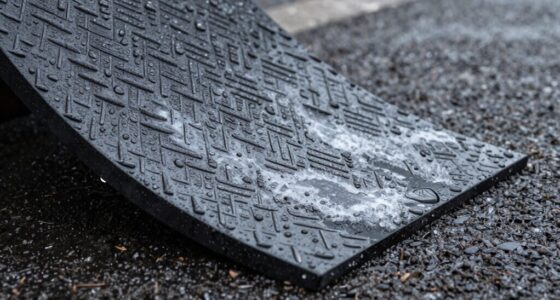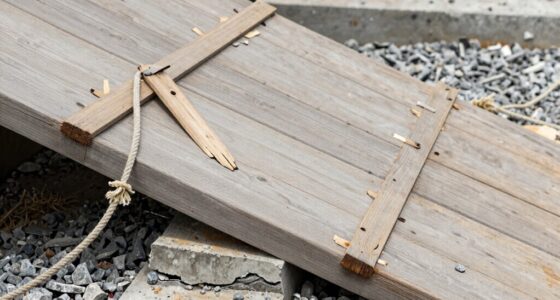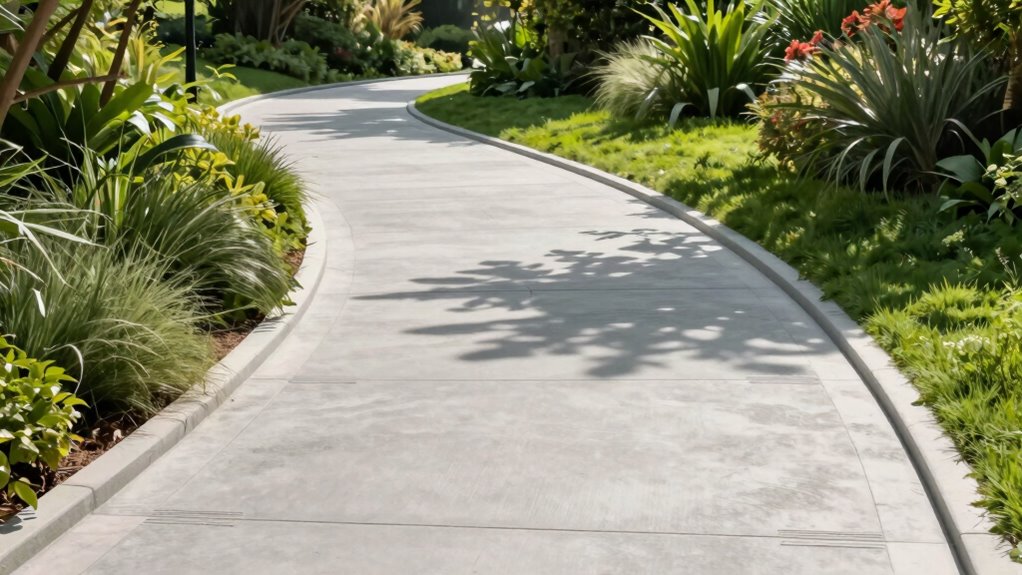

To match a ramp style to your daily use, consider where and how often you’ll use it. For occasional trips outside, portable or folding ramps are convenient and easy to store. If you’ll use it daily, opt for a permanent, weather-resistant ramp made from durable materials like concrete, wood, or metal. Make sure it has the right slope, slip-resistant surface, and sturdy handrails for safety. Keep these factors in mind, and you’ll find the best fit for your routine. More tips await if you keep exploring.

Turn quiet afternoons into listening time
- Thousands of audiobooks, podcasts and originals
- Listen on your phone, tablet or Echo — also offline
- Cancel anytime
Key Takeaways
- Assess the environment (indoor or outdoor) to choose weather-resistant or portable ramp materials.
- Determine usage frequency to select between permanent or portable ramps for convenience.
- Match ramp slope and safety features, like handrails and slip-resistant surfaces, to daily stability needs.
- Consider weight capacity requirements based on user and equipment to ensure safety and durability.
- Customize materials and features, such as 3D printed components, to align with specific routine accessibility needs.
Choosing the right ramp style depends on how you plan to use it daily. When considering wheelchair accessibility, you want a ramp that fits seamlessly into your routine while guaranteeing safety and ease of use. The type of ramp you select can make a significant difference in how comfortable and secure you feel when steering through your home or outdoor spaces. Think about the environment where the ramp will be installed, the frequency of use, and the weight capacity needed. These factors help narrow down your options to the most suitable style for your needs.
If you need a ramp primarily for occasional use or short distances, a portable or folding ramp might be your best choice. These are lightweight, easy to store, and convenient for trips outside the home. They’re ideal for reaching vehicles, steps, or other elevated surfaces temporarily. However, keep in mind that portable ramps may not provide the same stability or weight capacity as permanent structures, so they’re best suited for lighter, less frequent use. For daily, consistent access, a permanent ramp offers greater stability, durability, and a smoother shift, making wheelchair accessibility more reliable over time. These are typically constructed from materials like concrete, wood, or metal, designed to withstand regular use and weather conditions. 3D printing can be used to create customized components or accessories for ramps to improve safety and functionality.
Safety considerations are critical when selecting a ramp style. You want to guarantee the slope isn’t too steep, as a gentle incline reduces the risk of tipping or losing control. The ideal ramp slope ratio is around 1:12, meaning for every inch of height, you need at least 12 inches of length. This provides a safer, more manageable ascent and descent. Additionally, think about slip-resistant surfaces, especially if you live in a climate with rain or snow. Handrails on either side of the ramp are also crucial for added support and stability, particularly for those with limited mobility or balance issues. Proper edge protection, such as raised sides or curbs, prevents wheelchairs from slipping off, enhancing overall safety. Considering materials that are weather-resistant can further extend the lifespan of your ramp, especially in outdoor settings.
As an affiliate, we earn on qualifying purchases.
Frequently Asked Questions
Can Different Ramp Styles Be Combined in One Space?
Yes, you can combine different ramp styles in one space, but you need to take into account ramp aesthetics and material compatibility. Mixing styles adds visual interest, but ensure the materials work well together and don’t compromise safety or functionality. Match the color, texture, and design elements for a cohesive look. Proper planning helps you blend various ramp styles seamlessly, making your space both functional and visually appealing without sacrificing safety.
How Long Does It Take to Install a Custom Ramp?
Think of installing a custom ramp like building a sturdy bridge—it usually takes about one to two days, depending on complexity. You focus on ramp safety and material durability, selecting durable materials that withstand daily wear. Proper installation guarantees safety and longevity, so rushing can compromise quality. By working with experienced professionals, you’ll get a reliable, safe ramp that fits your needs without unnecessary delays.
Are There Weight Restrictions for Various Ramp Styles?
Yes, there are weight restrictions for different ramp styles. You need to take into account weight limits to ensure safety and proper function. For example, metal ramps often support higher weight limits due to their material durability, making them suitable for heavier loads. Wooden ramps might have lower weight capacities, so check the manufacturer’s specifications. Always match the ramp style to your specific weight requirements to prevent accidents and ensure longevity.
What Maintenance Is Required for Different Ramp Materials?
You need to regularly inspect your ramps to guarantee safety and durability. For metal ramps, clean off rust and tighten bolts to maintain strength. Wooden ramps require sealing to prevent water damage, while composite materials need occasional cleaning to preserve slip resistance. Proper maintenance enhances ramp safety and material durability, preventing accidents and prolonging usability. Staying proactive with these tasks keeps your ramps reliable and safe for daily use.
How Do I Choose a Ramp Style for Elderly Users?
You should choose a ramp style that prioritizes wheelchair accessibility and safety considerations. Opt for a gentle slope, ideally a 1:12 ratio, to make it easy for elderly users to navigate comfortably. Guarantee the surface is slip-resistant, and include sturdy handrails for added support. Consider a wider design to accommodate mobility aids, and verify the ramp complies with safety standards to reduce fall risks and enhance confidence for elderly users.
Conclusion
Remember, choosing the right ramp style isn’t just about practicality—it’s about creating a space that feels welcoming and suited to your daily life. Like a trusty steed guiding you through your day, your ramp should blend function with comfort. Don’t be afraid to embrace a bit of the old-world charm in your design, because a well-matched ramp can turn even the heaviest burdens into a smooth ride, making every day a little brighter.
Halloween Picks
halloween
As an affiliate, we earn on qualifying purchases.