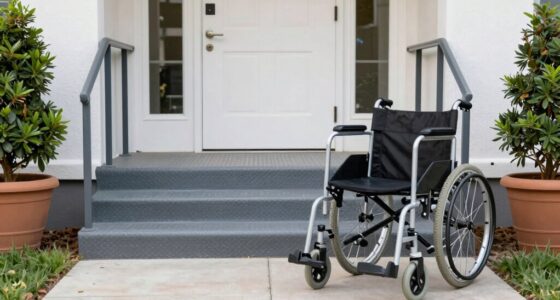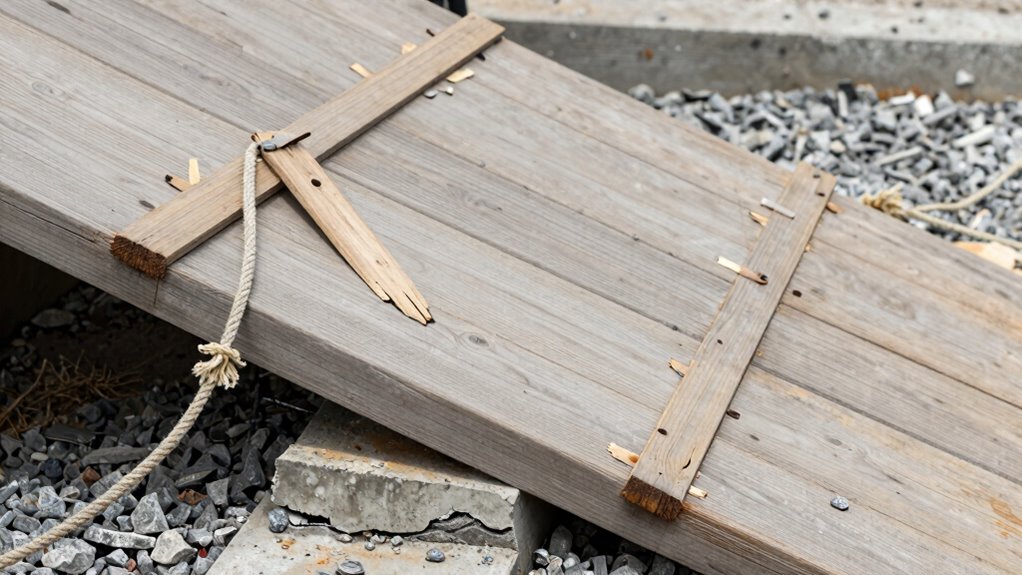

Temporary ramp fixes might seem like a quick fix, but they often create new risks. When you use short-term materials or patchwork solutions, the overall structure weakens over time, leading to cracks, shifting, or loosening. This can make the ramp unsafe for users, increasing the chance of trips or falls. If you keep exploring, you’ll discover how proper repairs can help prevent these safety hazards and save you money in the long run.

Turn quiet afternoons into listening time
- Thousands of audiobooks, podcasts and originals
- Listen on your phone, tablet or Echo — also offline
- Cancel anytime
Key Takeaways
- Temporary fixes often use substandard materials that can weaken or shift over time, compromising safety.
- Quick repairs may not address underlying issues, leading to future structural failures.
- Mismatched or uneven patches create trip hazards and uneven surfaces for users.
- Short-term solutions can deteriorate faster, increasing the risk of cracking or crumbling.
- Relying on temporary fixes can mask problems, delaying proper maintenance and escalating safety risks.
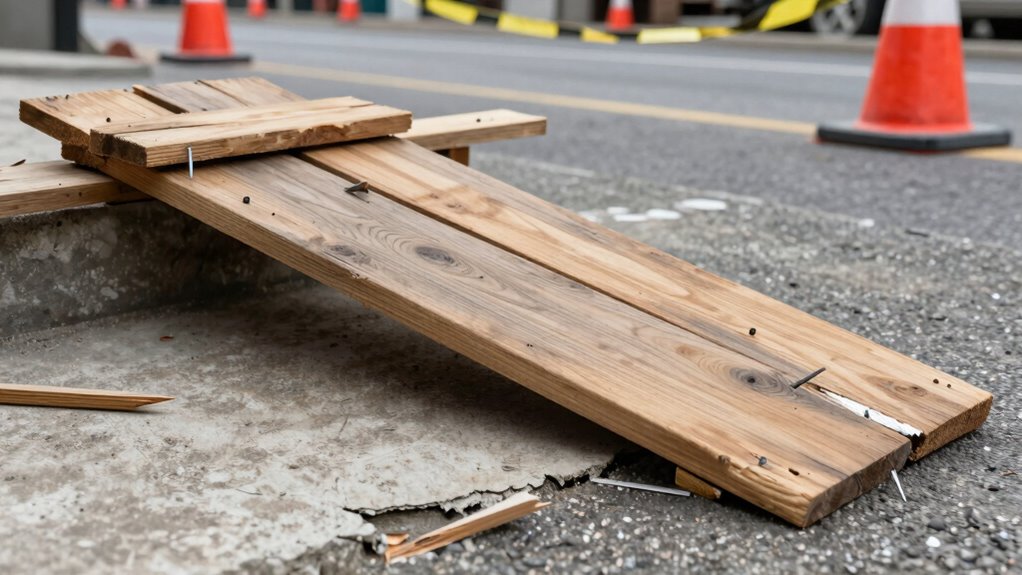
When temporary fixes are applied to ramps, they might seem like quick solutions, but they often introduce new safety risks that can go unnoticed. These quick patches are tempting because they’re fast and inexpensive, but they rarely address the root of the problem. Instead, they can compromise the ramp’s overall integrity, leading to durability concerns over time. For example, a patch may hold in the short term, but as traffic and weather take their toll, the repair can weaken, crack, or crumble, making the ramp unsafe for users. Relying on these quick fixes might seem like a good idea at the moment, but they often set you up for more costly repairs down the line—costs that could have been avoided with a proper, permanent fix.
Another issue that often gets overlooked is the aesthetic impact. Temporary fixes tend to look rough, uneven, or mismatched with the existing ramp surface. This visual mismatch can be distracting or confusing for users, especially those with disabilities or limited mobility. A poorly done patch can give the impression that the entire ramp is neglected or unsafe, even if the rest of the structure is sound. In environments where appearance matters—like public buildings or commercial properties—these temporary fixes can diminish the overall professional look and feel, potentially impacting visitor confidence and perception. Additionally, visual consistency plays a crucial role in maintaining a safe and welcoming environment for all.
Safety hazards aren’t always obvious at first glance. Temporary fixes, especially those that don’t blend well with the original ramp, can create tripping hazards or uneven surfaces. Over time, these flaws can worsen, increasing the risk of falls or injuries. If the repair isn’t securely attached or is made with substandard materials, it can loosen or shift, further endangering users. Such hazards aren’t just theoretical—they can lead to serious accidents, legal liabilities, and reputation damage. Because these fixes are often done quickly, the focus tends to be on immediate convenience rather than long-term safety, making these hazards more likely to go unnoticed until an incident occurs. Proper inspection and durable materials are essential to minimize these risks, ensuring the safety of all users. Regular maintenance and permanent solutions are vital to prevent these issues from escalating. Additionally, understanding the long-term implications of temporary repairs can help prioritize safer, more sustainable options.
As an affiliate, we earn on qualifying purchases.
Frequently Asked Questions
How Can Temporary Ramps Be More Securely Installed?
To securely install temporary ramps, you should carefully evaluate design considerations like stability and slip resistance. Guarantee the ramp is anchored firmly to prevent shifting, and use non-slip materials for user comfort. Regularly inspect the installation for any signs of wear or movement, and adjust as needed. By prioritizing safety, stability, and user comfort, you minimize risks and create a more reliable temporary solution.
What Materials Are Safest for Temporary Ramp Fixes?
You should use materials with high durability and weather resistance for temporary ramp fixes, like heavy-duty aluminum or treated wood. These materials withstand frequent use and harsh weather, reducing the risk of failure. Avoid flimsy or untreated materials that can crack, rot, or warp easily. By selecting sturdy, weather-resistant options, you enhance safety and guarantee your temporary ramp remains reliable until a permanent fix is implemented.
How Do Temporary Fixes Impact Long-Term Accessibility?
Temporary fixes can negatively impact long-term accessibility if you neglect proper safety training and accessibility awareness. You might create uneven surfaces or unstable ramps that pose hazards, discouraging use and worsening overall safety. Without considering long-term implications, these quick repairs often lead to more complex issues. To prevent this, guarantee safety training emphasizes sustainable solutions, and always prioritize accessibility awareness when implementing temporary fixes, so they support lasting safety and inclusion.
Who Is Responsible for Maintaining Temporary Ramps?
Think of temporary ramps as band-aids on a big problem—you’re responsible for their upkeep. You, or the organization that installed them, hold liability clarity and maintenance responsibilities. It’s essential you regularly check and repair these fixes to prevent new risks, as neglect can turn a quick solution into a long-term hazard. Clear accountability ensures everyone’s safety and keeps accessibility reliable, rather than a ticking time bomb.
Are There Legal Standards for Temporary Ramp Safety?
Yes, there are legal standards for temporary ramp safety you must follow. Liability concerns drive these regulations, aiming to prevent accidents and injuries. You need to guarantee regulatory compliance by adhering to safety codes set by local, state, or federal agencies. Failing to meet these standards can result in legal actions, fines, or increased liability if someone gets hurt. Regular inspections and proper installation help you stay compliant and protect everyone involved.
Conclusion
Think of temporary ramp fixes as patching a leaky boat with duct tape—you might stay afloat for now, but the underlying cracks remain. Each quick fix can shift the danger elsewhere, like shifting water from one side to another, risking capsizing. To truly navigate safely, you need to repair the boat at its core, not just cover the leaks. Only then can you sail smoothly, free from the hidden dangers that quick fixes often hide beneath the surface.
Columbus Day / Indigenous Peoples' Day Picks
long weekend sales
As an affiliate, we earn on qualifying purchases.