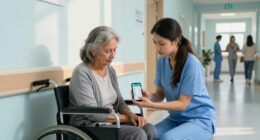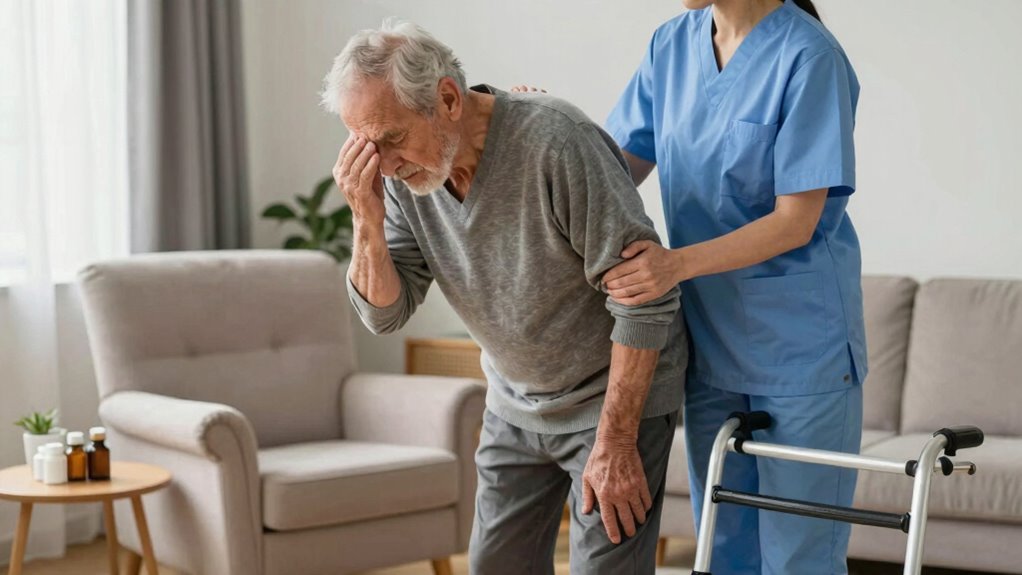
Orthostatic hypotension means you need to closely monitor blood pressure changes when standing, which impacts your care routine. You may have to adjust medications, guarantee a safe environment with grab bars and secure rugs, and encourage slow standing or sitting if dizziness occurs. Staying vigilant for symptoms and educating yourself on safety measures helps prevent falls and injuries. If you keep exploring, you’ll find effective strategies to manage this condition and improve safety at home.

Turn quiet afternoons into listening time
- Thousands of audiobooks, podcasts and originals
- Listen on your phone, tablet or Echo — also offline
- Cancel anytime
Key Takeaways
- Blood pressure monitoring and medication adjustments are essential to manage sudden drops when standing.
- Home safety modifications, like grab bars and secure rugs, help prevent falls during episodes.
- Caregivers must recognize early symptoms and respond promptly with sitting or hydrating strategies.
- Ongoing caregiver education improves management of symptoms and safe blood pressure monitoring.
- Routines should be flexible, balancing medication effects with environmental safety to maintain stability.
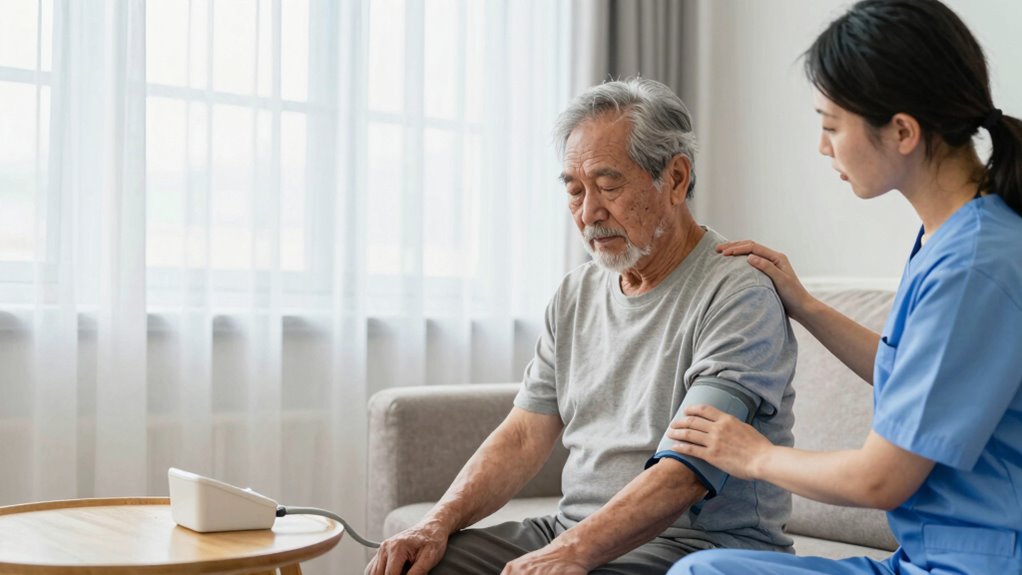
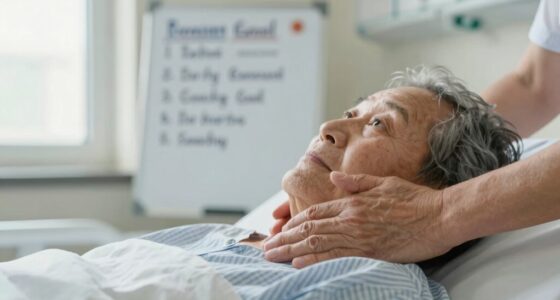
Orthostatic hypotension, a sudden drop in blood pressure when standing up, substantially impacts how caregivers manage Parkinson’s disease at home. When this condition occurs, your approach to medication management becomes more critical. You need to carefully monitor how Parkinson’s medications affect blood pressure, especially since some drugs can worsen orthostatic symptoms. Adjusting timing or dosages might be necessary, and you should coordinate closely with healthcare providers to optimize treatment plans. Regularly reviewing medication schedules helps prevent sudden drops in blood pressure and minimizes dizziness or falls. This ongoing process requires vigilance and a clear understanding of how medications interact with the condition, making caregiver training essential. Proper training equips you to recognize symptoms early and respond appropriately, reducing risks for the person you care for.
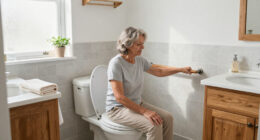
As orthostatic hypotension presents unpredictable challenges, your role involves more than just medication adjustments. You also focus on creating a safe environment. This might mean installing grab bars, securing loose rugs, or arranging furniture to prevent falls. Your training should include techniques to assist your loved one when they stand up, such as helping them rise slowly and encouraging them to sit or lie down if they feel dizzy. Educating yourself about the signs of low blood pressure helps you act swiftly, whether it’s guiding them to sit or providing hydration. Because blood pressure can fluctuate throughout the day, you need to stay attentive and adapt your caregiving routine accordingly. Understanding the importance of blood pressure monitoring can significantly improve your ability to respond effectively. Incorporating proper positioning techniques can also help reduce symptoms and increase safety. Additionally, understanding orthostatic hypotension management strategies can empower you to handle episodes more confidently and reduce the risk of falls.
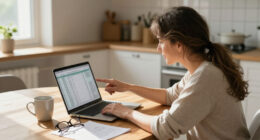
Your responsibilities extend to continuous caregiver education, ensuring you’re well-prepared for the dynamic nature of orthostatic hypotension. Caregiving isn’t static; it requires ongoing learning about symptoms, medication effects, and safety practices. You may need to learn how to take blood pressure readings at home, recognize when symptoms are worsening, and communicate effectively with healthcare professionals. The more knowledgeable you are, the better you can manage daily challenges and prevent emergencies. As you learn to balance medication adjustments, environmental safety, and symptom monitoring, you’ll find that your confidence grows. This all-encompassing approach helps improve quality of life for your loved one, giving them stability and safety at home despite the unpredictability of orthostatic hypotension.
home blood pressure monitor for seniors
As an affiliate, we earn on qualifying purchases.
As an affiliate, we earn on qualifying purchases.
Frequently Asked Questions
How Is Orthostatic Hypotension Diagnosed at Home?
You can diagnose orthostatic hypotension at home by monitoring your blood pressure regularly, especially when changing positions. Use a home blood pressure monitor to track readings during periods of symptom occurrence. Incorporate lifestyle modifications, like standing up slowly, and keep detailed symptom tracking to identify patterns. This helps your healthcare provider confirm the diagnosis and adjust treatment plans effectively, ensuring your safety and comfort at home.
Can Diet Affect Orthostatic Hypotension Symptoms in Parkinson’s Patients?
Your diet can profoundly impact orthostatic hypotension symptoms in Parkinson’s patients. Small, frequent meals and increased fluid intake are powerful nutritional strategies that prevent blood pressure drops. Avoiding high-salt foods and caffeine helps maintain stability. By making simple diet modifications, you could reduce dizziness and lightheadedness, transforming daily life from a rollercoaster to a smoother ride. Nutritional strategies truly hold the key to managing symptoms effectively at home.
What Emergency Actions Should Caregivers Take During a Hypotensive Episode?
During a hypotensive episode, you should immediately recognize symptoms like dizziness, weakness, or blurred vision. Guarantee emergency preparedness by helping your loved one sit or lie down to prevent falls. Elevate their legs if possible, and keep them hydrated. Call emergency services if symptoms worsen or don’t improve quickly. Prompt action can prevent serious complications, so stay calm, stay alert, and act swiftly based on symptom recognition.
Are There Specific Medications to Manage This Condition Effectively?
Imagine a toolbox filled with medications like fludrocortisone or midodrine, designed to stabilize blood pressure, but they can cause side effects like headaches or swelling. You might also explore alternative therapies such as compression stockings or dietary changes to help manage orthostatic hypotension. Talk to your healthcare provider about these options to find a safe, effective plan tailored to your loved one’s needs, minimizing side effects while improving stability.
How Can Caregivers Monitor Blood Pressure Regularly at Home?
You can monitor blood pressure regularly at home by using a reliable digital blood pressure monitor. Track your blood pressure consistently, especially when changing positions from sitting or lying down to standing, to catch orthostatic changes. Maintain a log of your readings to observe patterns. Stay alert to symptoms like dizziness or lightheadedness, and share these with your healthcare provider to aid in managing your condition effectively.
Conclusion
As you navigate Parkinson’s care at home, understanding orthostatic hypotension isn’t just helpful—it’s essential. It can suddenly change your daily routine, requiring swift adjustments and vigilant monitoring. But what if the next unexpected drop catches you off guard? Staying prepared and informed might be your best defense. Because in this unpredictable condition, being ready for that next moment could make all the difference—yet, the question remains: Are you truly prepared for what’s coming next?
Cold & flu season Picks
humidifiers
As an affiliate, we earn on qualifying purchases.