
To set up your oxygen machine safely, choose a well-ventilated, stable spot away from sunlight, heat, and moisture. Connect it to a reliable outlet, avoiding extension cords, and guarantee it initially operates smoothly by checking airflow and sounds. Regularly clean filters, change water daily, and keep the area dust-free. Maintain good room ventilation and monitor oxygen levels. Following these steps helps keep your therapy safe and effective; discover more tips to optimize your setup.

Get comfort and care essentials delivered free — and shop member deals
- Fast, free delivery on millions of items
- Access to Prime Big Deal Days deals on October 6–7
- Prime Video, Amazon Music and more included
Key Takeaways
- Place the oxygen concentrator in a well-ventilated, flat area away from direct sunlight, heat, and moisture.
- Connect to a reliable power outlet, avoiding extension cords, and verify proper operation before use.
- Maintain at least a few feet of clearance around the device to ensure proper airflow and cooling.
- Regularly clean filters and change water in the humidifier to ensure safe, effective oxygen delivery.
- Keep a backup oxygen supply and monitor oxygen levels to ensure safety during power outages or device failure.
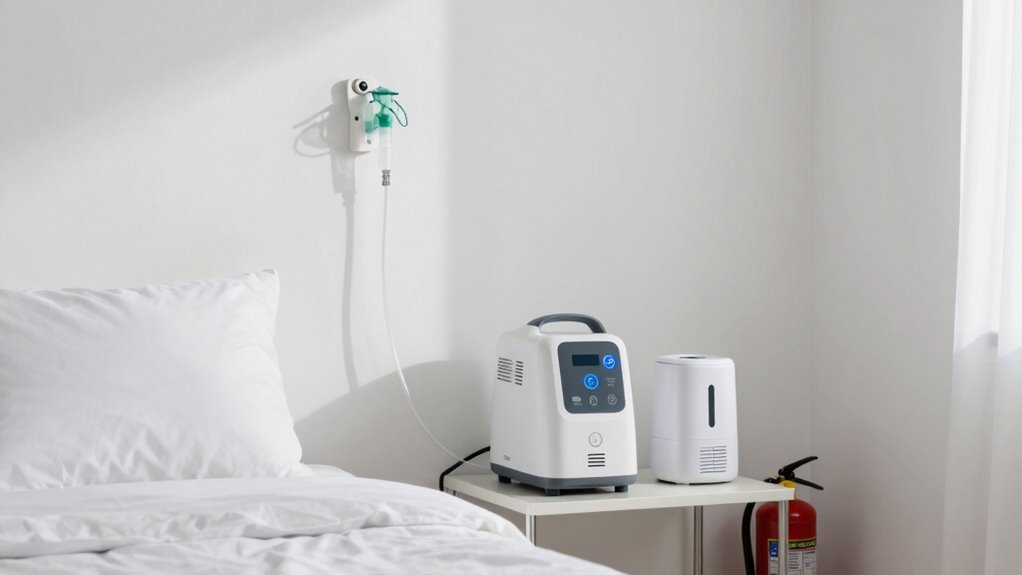
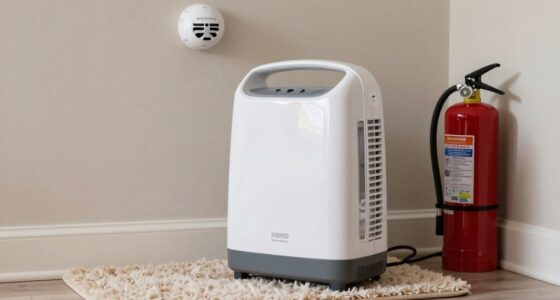
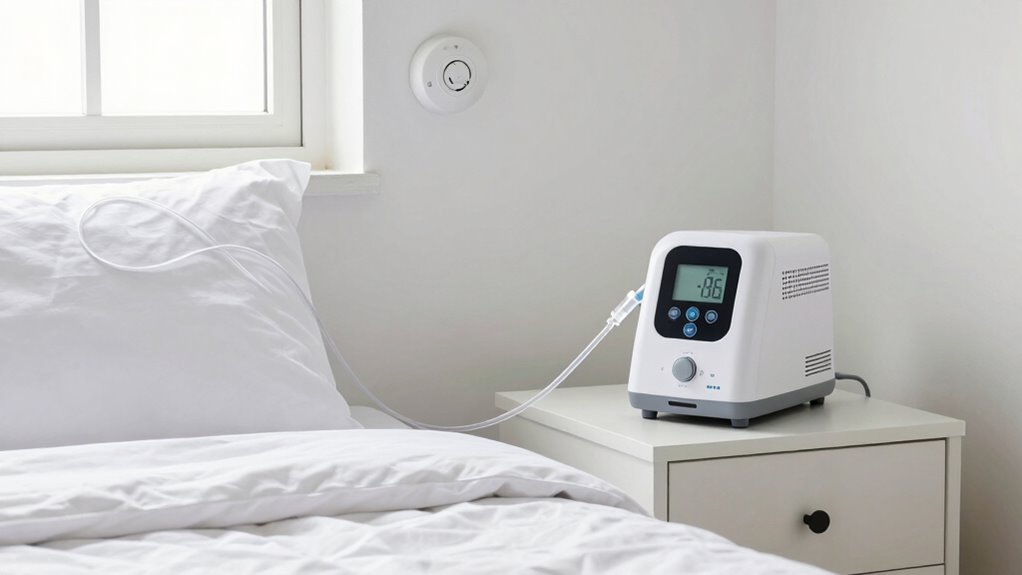
Setting up an oxygen machine in your bedroom safely is essential for your health and peace of mind. Proper installation guarantees you get the right oxygen concentration and helps prevent potential hazards. First, choose a well-ventilated area that’s away from direct sunlight, heat sources, and moisture, as these can affect the machine’s performance. Place the oxygen concentrator on a flat, stable surface that’s easy to access for regular use and maintenance. Keep it at least a few feet away from walls or furniture to allow proper airflow, which is crucial for maintaining ideal oxygen concentration.
Once the machine is positioned, connect it to a reliable power source. Use the outlet recommended by the manufacturer and avoid extension cords or power strips, as they can pose fire risks and interfere with the machine’s operation. After plugging it in, turn the device on and verify that it’s functioning correctly. Most units have indicator lights or displays that show operational status. Check for clear, consistent airflow and listen for any unusual noises, which could indicate a problem with the machine or the need for maintenance. Ensuring proper machine placement can also help optimize its efficiency and lifespan. Additionally, understanding the machine’s specifications helps ensure you’re using it within safe operational limits.
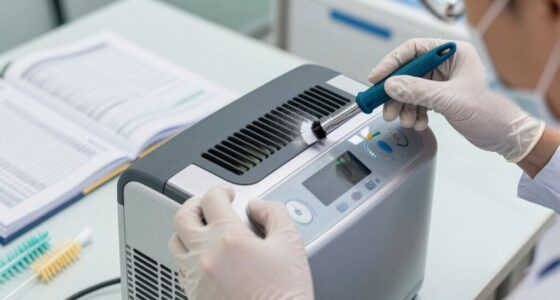
Regular machine maintenance is important to guarantee your oxygen concentrator continues to deliver the correct oxygen concentration. Clean or replace filters as recommended, typically once a month, to prevent dust buildup that can impede airflow or cause the machine to overwork. Keep the exterior of the machine free from dust and debris by wiping it with a soft, damp cloth. If your machine has a humidifier bottle, change the water daily and clean it thoroughly to prevent bacterial growth. These routine checks and upkeep are key for maintaining oxygen purity and preventing malfunctions. Additionally, keeping the air quality in your room optimal can improve the overall effectiveness of your oxygen therapy and ensure a healthier environment. Proper ventilation is also vital to prevent the buildup of stale air and maintain a safe breathing environment. Maintaining proper airflow can also help extend the lifespan of your device and ensure it operates efficiently over time.
Furthermore, you should have a backup plan in case of power outages or machine failure. Keep a spare oxygen supply or an alternative device nearby, and make sure you know how to operate the machine’s emergency settings. Regularly check the oxygen concentration levels using the built-in gauges or an external monitor if available, ensuring the device delivers the prescribed oxygen flow rate. Always follow the manufacturer’s instructions for setup, operation, and maintenance to keep your setup safe and effective.
oxygen concentrator with humidifier
As an affiliate, we earn on qualifying purchases.
As an affiliate, we earn on qualifying purchases.
Frequently Asked Questions
Can I Sleep With the Oxygen Machine Running All Night?
Yes, you can sleep with your oxygen machine running all night, but prioritize sleep safety. Make certain your device is well-maintained and regularly checked to prevent malfunctions. Keep the machine in a safe, ventilated area, and avoid blocking air intake or outlet vents. Follow your healthcare provider’s instructions closely, and schedule routine device maintenance. This guarantees continuous oxygen delivery and minimizes risks during sleep.
How Often Should I Clean or Replace the Oxygen Filters?
Think of your oxygen filters as the lungs of your machine—they need regular care. You should clean your oxygen filters weekly to maintain proper oxygen concentration and guarantee they’re free from dust and debris. Replace them every one to three months, depending on your usage and manufacturer’s instructions. Regular filter maintenance keeps your oxygen machine working efficiently, providing you with safe, consistent oxygen therapy and peace of mind during your nightly rest.
Is It Safe to Use Extension Cords With the Oxygen Machine?
Using extension cords with your oxygen machine isn’t recommended because it can compromise electrical safety. Extension cords may overheat or cause power fluctuations, which are risky. Instead, focus on proper cord management by plugging the machine directly into a grounded outlet. If you need to extend the reach, consult a professional to guarantee safety standards are met. Always prioritize electrical safety to prevent accidents and keep your oxygen therapy safe.
What Should I Do if the Oxygen Machine Makes Strange Noises?
If your oxygen machine makes strange noises, start by checking for obstructions or loose parts, which are common causes of noise during oxygen machine maintenance. Turn off the device and gently inspect the filters and tubing. For noise troubleshooting, consult your user manual or contact your provider if the noise persists, as unusual sounds might indicate a need for professional servicing or repair. Regular maintenance helps keep your machine running smoothly and safely.
Are There Specific Medications to Avoid While Using an Oxygen Machine?
You should avoid medications that can interact negatively with oxygen therapy, such as certain sedatives or alcohol, which may impair your breathing. Always check medication interactions and confirm they are compatible with oxygen use. Some drugs may reduce oxygen effectiveness or cause harmful side effects when combined with oxygen therapy. Consult your healthcare provider to verify oxygen compatibility and get personalized advice to keep your treatment safe and effective.
Conclusion
Now that you’ve navigated the steps to set up your oxygen machine, think of it as planting a delicate seed—you’re creating a safe, nurturing environment for your health to flourish. With caution as your compass and proper setup as your foundation, you’re guiding your well-being to new heights. Remember, a little care goes a long way—turn your bedroom into a sanctuary where breath flows freely, and life blossoms with every gentle inhale.
Halloween Picks
halloween
As an affiliate, we earn on qualifying purchases.