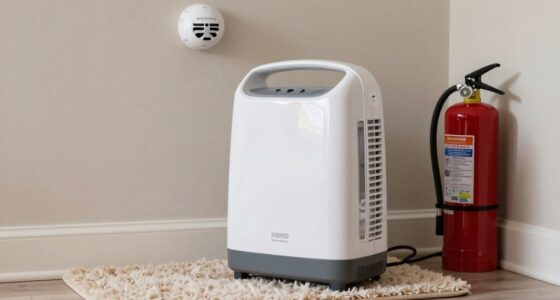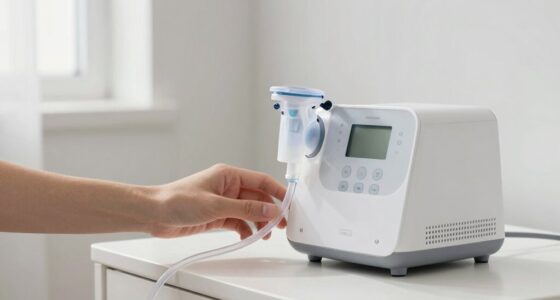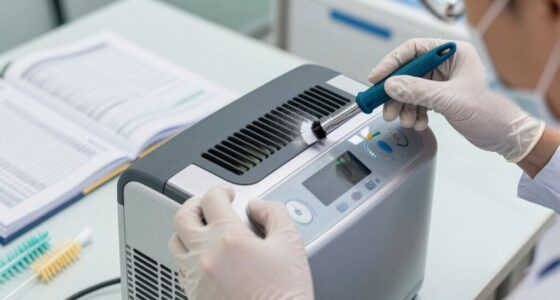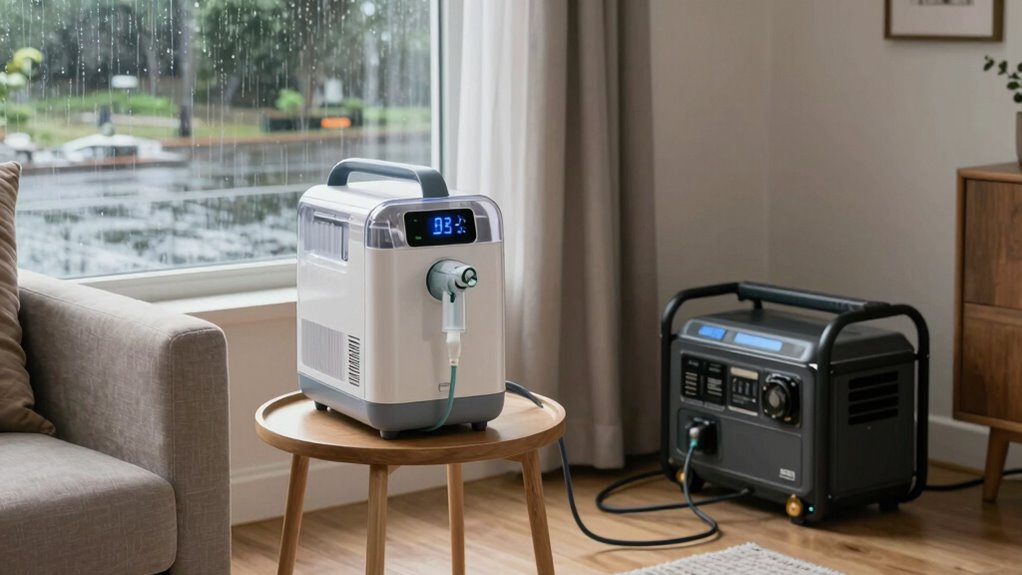

Backup power for oxygen users means having a reliable way to keep your oxygen supply flowing during power outages. This could be a portable generator or battery backup that kicks in when the main power fails, ensuring your concentrator keeps working without interruption. Properly maintained backup systems are essential for your safety and peace of mind. If you want to learn more about choosing and maintaining these systems, there’s important information ahead to help you stay prepared.

Turn quiet afternoons into listening time
- Thousands of audiobooks, podcasts and originals
- Listen on your phone, tablet or Echo — also offline
- Cancel anytime
Key Takeaways
- Backup power ensures continuous oxygen supply during power outages, safeguarding health and safety.
- Battery backups and portable generators provide reliable emergency power sources for oxygen equipment.
- Regular maintenance and testing of backup systems prevent unexpected failures during outages.
- Monitoring battery capacity and runtime allows users to plan for varying outage durations effectively.
- Proper storage and timely replacement of batteries extend backup system lifespan and reliability.
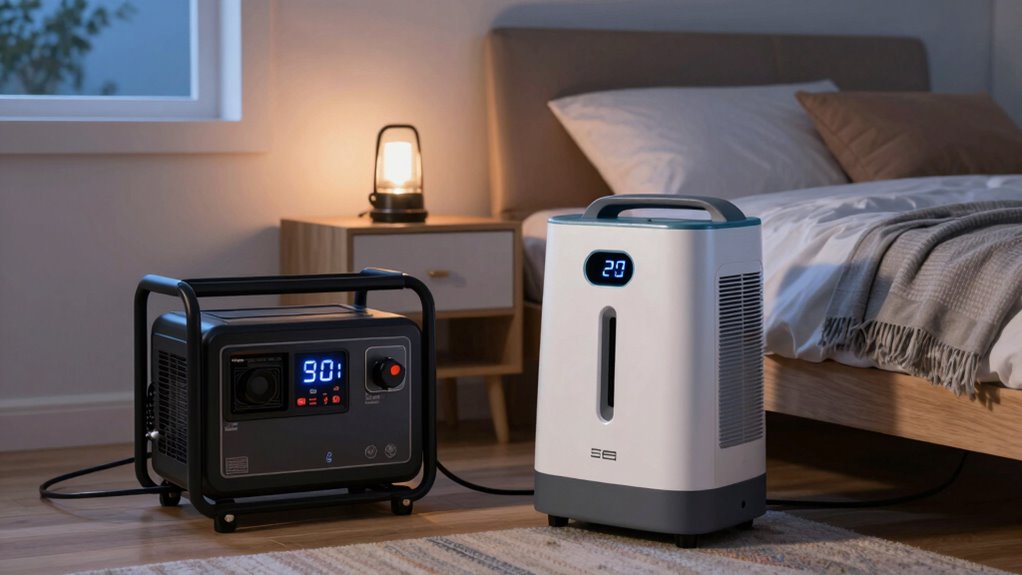
Power outages can be life-threatening for oxygen users, making reliable backup power vital. When your home experiences a blackout, your oxygen concentrator stops working, which can quickly become a dangerous situation. That’s why emergency preparedness is essential. You need a plan in place that guarantees your oxygen supply remains uninterrupted, no matter what. Having a backup power source isn’t just about convenience — it’s about safety. You should consider the different options available, such as portable generators or battery backups, to make certain you’re prepared for any situation.
Power outages threaten oxygen safety—prepare with reliable backup options to ensure continuous support during emergencies.
Understanding the importance of battery lifespan is key to maintaining an effective backup power system. Many portable batteries and uninterruptible power supplies (UPS) have a limited number of charge cycles before their capacity diminishes. Over time, batteries lose their ability to hold a full charge, which means you might not get the full runtime you expect during a blackout. Regularly checking and maintaining your backup system helps you stay aware of its current capacity and readiness. If your battery is nearing the end of its lifespan, replacing it proactively prevents unexpected failures when you need backup power most. Additionally, understanding battery capacity and how it impacts runtime can help you better plan for power outages. Proper storage conditions, like avoiding extreme temperatures, can also extend the lifespan of your backup batteries. Being aware of battery management best practices can further optimize your system’s reliability. Moreover, staying informed about battery degradation signs can help you identify when it’s time for a replacement before failure occurs.
It’s also wise to familiarize yourself with how long your backup power can sustain your oxygen concentrator. Different models and systems offer varying runtimes, so knowing these details helps you plan better. For example, some batteries might only last a couple of hours, while others can provide power for an entire day. Keep in mind that external factors, such as extreme temperatures or frequent use, can affect battery performance and lifespan. Proper storage and regular testing of your backup system ensure it remains reliable when it’s needed most. Being aware of backup power options and their limitations allows you to make informed decisions and maintain peace of mind during emergencies. Regular testing of your backup system is also crucial to ensure everything functions correctly when it’s needed most.
portable oxygen concentrator backup battery
As an affiliate, we earn on qualifying purchases.
As an affiliate, we earn on qualifying purchases.
Frequently Asked Questions
How Long Should a Backup Power Supply Last During an Outage?
Your backup power supply should last at least 30 minutes to 2 hours during an outage, depending on your oxygen system’s power capacity and battery duration. Check your equipment’s specifications to determine the exact runtime. It’s wise to have a power source that can sustain your oxygen needs longer if outages are frequent or unpredictable. Always test your backup power regularly to make certain it’s ready when you need it most.
Are There Specific Backup Power Options Recommended for Oxygen Concentrators?
Think of your backup power as a guardian angel, unwavering in your time of need. For oxygen concentrators, you’ll want options with a reliable battery lifespan and seamless power compatibility. Portable generator or UPS units are recommended, as they can adapt to your device’s power needs. Make certain the system can run long enough during outages, giving you peace of mind and a lifeline when it matters most.
What Safety Precautions Are Necessary When Using Backup Power at Home?
When using backup power at home, you need to prioritize emergency preparedness and power management. Always keep a fully charged backup power source nearby, and test it regularly. Make certain your oxygen concentrator is connected correctly and monitor the power supply during outages. It’s vital to have a clear plan, including contact numbers and safe shutdown procedures, so you stay safe and maintain your oxygen supply during emergencies.
How Often Should Backup Power Systems Be Tested or Maintained?
Think of your backup power system as a trusted guardian standing watch. You should test it monthly to guarantee its readiness, and schedule professional maintenance annually to extend its battery lifespan. When choosing a power source, prioritize reliability and compatibility with your oxygen equipment. Regular testing and proper maintenance act as the armor that keeps your guardian strong, so it’s always ready to protect you when you need it most.
What Is the Cost Range for Reliable Backup Power Solutions?
You can expect to spend between $1,000 and $10,000 on reliable backup power solutions, depending on battery efficiency and power portability features. Portable units with high battery efficiency tend to cost more but last longer during outages. Smaller, more portable systems are generally more affordable, while larger, more robust backup options provide extended power but come at a higher price. Assess your needs to find a balance between cost, efficiency, and portability.
Conclusion
Having backup power isn’t just a safety measure; it’s a lifeline for oxygen users like you. Did you know that approximately 21 million Americans rely on oxygen therapy? With a reliable backup, you guarantee continuous access during outages, reducing health risks and giving you peace of mind. Stay prepared, stay safe, and remember that a small investment in backup power can make a big difference in preserving your health and independence.
Cold & flu season Picks
humidifiers
As an affiliate, we earn on qualifying purchases.