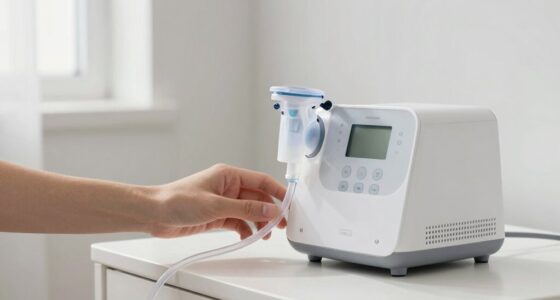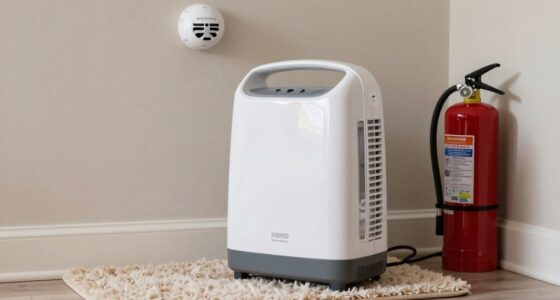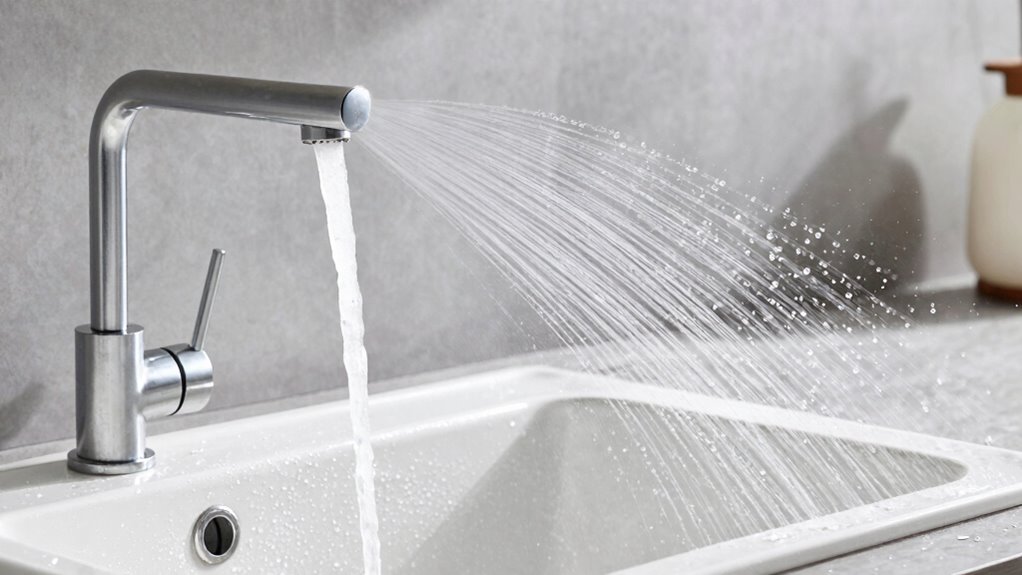

When choosing between continuous and pulse flow systems, consider your family’s maintenance capacity, water quality, and cost goals. Continuous systems are simpler and cost less upfront but use more energy and may need frequent repairs from buildup. Pulse systems save water and energy, but they have complex parts that require careful maintenance. Understanding these differences helps you make the best decision for your needs—keep going to explore more about each system’s benefits and challenges.

Turn quiet afternoons into listening time
- Thousands of audiobooks, podcasts and originals
- Listen on your phone, tablet or Echo — also offline
- Cancel anytime
Key Takeaways
- Continuous systems are simpler and easier to set up, but may have higher ongoing energy costs.
- Pulse systems conserve water and energy by operating intermittently, reducing wastage.
- Continuous systems require less maintenance but may experience faster wear from sediment buildup.
- Pulse systems have complex components that may need more frequent repairs and clogging prevention.
- The choice depends on balancing initial costs, maintenance capacity, water efficiency, and sustainability goals.

Continuous flow systems tend to have simpler designs with fewer moving parts, which can make maintenance less frequent but potentially more costly when repairs are needed due to constant operation. Over time, continuous systems may also experience wear and tear, especially if the water contains sediments or minerals that cause buildup. A continuous system’s constant operation can lead to increased energy consumption, impacting overall efficiency. Additionally, the initial setup cost for continuous systems may be lower, but ongoing operational expenses should be carefully considered. Pulse flow systems, on the other hand, often incorporate more complex mechanisms such as valves or sensors that regulate water bursts. These additional components can increase maintenance needs because they are more prone to failure or clogging, especially if not properly maintained or if water quality is poor. However, because pulse flow systems operate intermittently, they often experience less overall stress and wear, potentially extending their lifespan if maintained correctly. A well-designed pulse system can also significantly reduce water wastage, which is a key benefit in conserving resources. Furthermore, understanding water efficiency can help you make better choices that support sustainability goals. Properly assessing your maintenance capacity is essential to ensure the longevity and effectiveness of your chosen system.
continuous flow water filtration system
As an affiliate, we earn on qualifying purchases.
As an affiliate, we earn on qualifying purchases.
Frequently Asked Questions
How Do Flow Types Affect Infant Sleep Patterns?
Flow patterns markedly impact infant sleep. Continuous flow provides a steady, calming sound that helps some babies sleep longer and more soundly, mimicking natural rhythms. Pulse flow, on the other hand, offers gentle variations that can soothe and comfort, potentially aiding infants who wake easily. Your choice of flow type influences infant sleep quality and duration, so observe your baby’s reactions to determine which pattern promotes the best sleep environment for them.
Can Flow Type Influence Allergy Symptoms or Respiratory Health?
Flow type influences allergy symptoms and respiratory health by impacting air quality and allergen exposure. Continuous flow systems maintain steady air circulation, reducing stagnant air and allergens, while pulse flow systems may cause fluctuating airflow, potentially stirring allergens and aggravating sensitivities. You want consistent, filtered air that minimizes irritation. Choosing the right flow type guarantees your family breathes cleaner air, reducing allergy discomfort and supporting healthier respiratory function.
Are There Specific Conditions Better Suited for Pulse or Continuous Flow?
You’ll find pulse flow better suited for children with delicate respiratory systems or pediatric preferences, thanks to its gentle, regulated flow that reduces irritation. Continuous flow works well for those needing consistent oxygen levels, especially in adults or more stable conditions. Your healthcare provider can help determine the best option based on flow regulation needs and individual health circumstances, ensuring comfort and safety for your family.
How Does Flow Type Impact Energy Consumption and Efficiency?
Imagine your system as a heartbeat—steady or pulsing. Continuous flow tends to use more energy, like a constant drum, while pulse flow conserves energy, resembling quick, efficient beats. You’ll find better energy savings and efficiency optimization with pulse flow, especially during low-demand periods. Choosing the right flow type helps reduce energy waste, lowers utility bills, and keeps your system running smoothly, ultimately saving you money and supporting sustainable operation.
Is One Flow Type Safer for Premature or Low Birth Weight Infants?
Pulse flow is generally safer for premature or low birth weight infants because it mimics natural breathing patterns better, reducing medical risks like lung injury or stress. You’ll want to prioritize infant safety by choosing a flow type that minimizes medical risks and supports gentle ventilation. Always consult with healthcare professionals to determine the best option, but pulse flow often offers a safer, more controlled approach for vulnerable infants.
Conclusion
As you stand at the crossroads of choosing between continuous and pulse flow, picture the gentle, steady stream of a river versus the rhythmic heartbeat of a drum. Both options have their own rhythm and purpose, guiding your family’s health journey. Trust your instincts to pick the flow that feels natural, like water flowing effortlessly or a pulse that keeps time with your life. Whichever you choose, know it’s the right beat for your family’s well-being.
Evergreen bestsellers Picks
bestsellers
As an affiliate, we earn on qualifying purchases.