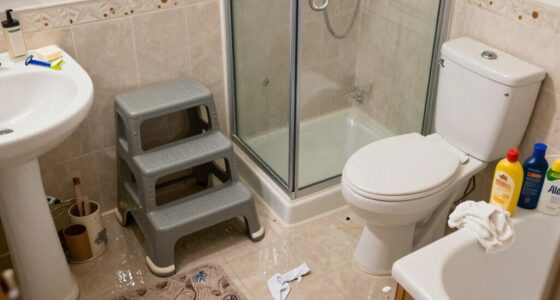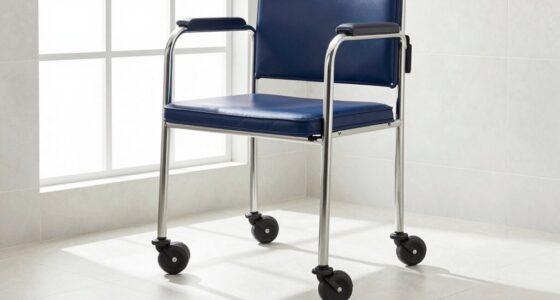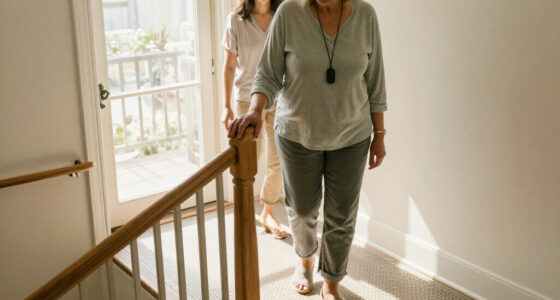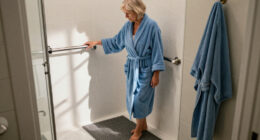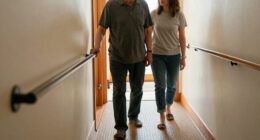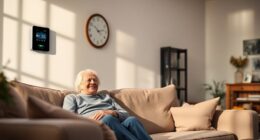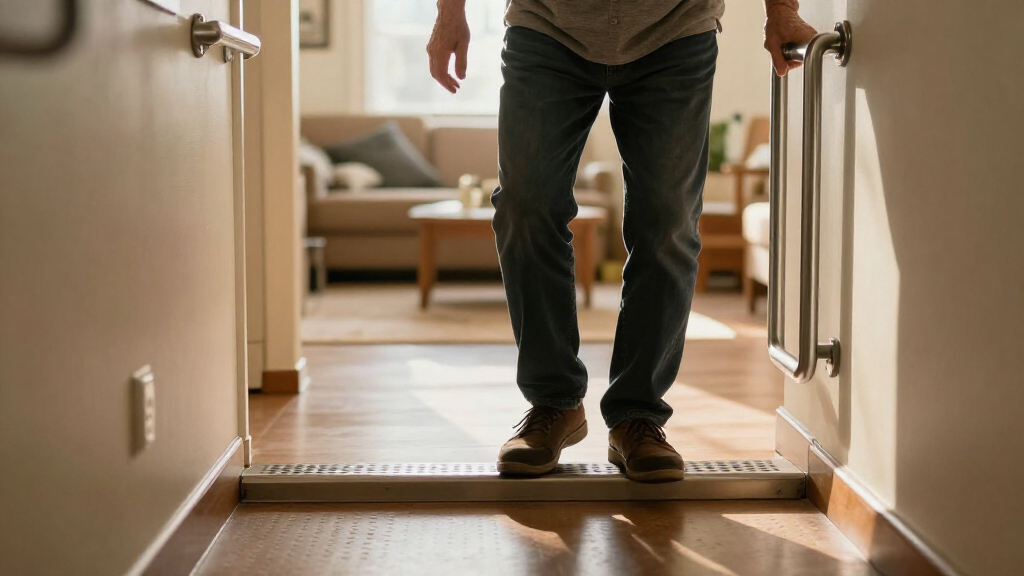
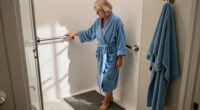
Choosing fall prevention tools means deciding whether the priority is lowering the chance of a fall or getting help quickly if one happens. Medical alert systems give an older adult a way to contact a response center or chosen contacts after a fall or other emergency. Home safety changes—such as grab bars, better lighting, and removing loose rugs—address hazards in the living space before an accident occurs.

Turn quiet afternoons into listening time
- Thousands of audiobooks, podcasts and originals
- Listen on your phone, tablet or Echo — also offline
- Cancel anytime

Elderly Anti-Fall Wearable Airbag Vest – 0.08 s Rapid Protection for Head and Hips
- ✔ Brand / model: S-AIRBAG S33
- ✔ Material: Nylon
- ✔ Listed size: Small

Upgraded Bed Sensor Alarm and Fall Prevention for Elderly/Dementia – Caregiver Pager with Motion Sensor, 5 Volume Levels, Wireless
- ✔ Brand / model: Nesthao KS-SF20R
- ✔ Package: One caregiver pager and one motion sensor
- ✔ Power: Battery powered; micro USB option described

Vive Gait Belt Transfer Belt with Handles, 350 lbs Capacity
- ✔ Brand: Vive
- ✔ Weight capacity: 350 lb
- ✔ Waist adjustment: Up to 51 in
These approaches solve different parts of the problem, so the better choice depends on mobility, health, home layout, and whether someone can respond in an emergency. Home changes usually make more sense as a starting point for someone exposed to preventable hazards. An alert system can be a stronger fit for someone who lives alone, has a history of falls, or may be unable to reach a phone. For many households, combining the two offers the most useful protection.
At a Glance
| Criteria | Medical alert systems | Home safety changes | Winner |
|---|---|---|---|
| Primary role | Calls for assistance during or after an emergency | Reduces hazards around the home | Depends |
| Effect on fall likelihood | Does not remove hazards or directly prevent most falls | Can lower risks from specific environmental hazards | B |
| Help after a fall | Can connect the wearer to a response center or contacts | Does not summon help by itself after a fall | A |
| Fit for someone living alone | Strong when the person can wear and use the device | Useful whether or not another person is home | A |
| Ongoing costs | Often includes recurring service fees; terms vary | Costs vary; some changes are inexpensive, while renovations can cost more | B |
| Setup and upkeep | Requires charging or battery checks, wearing the device, and testing | Requires suitable installation and occasional checks | B |
| Best use case | Getting help when a fall or medical emergency occurs | Making everyday movement through the home safer | Depends |
Elderly Anti-Fall Wearable Airbag Vest – 0.08 s Rapid Protection for Head and Hips
The S-AIRBAG S33 takes the most direct approach to a fall already underway: its wearable design is intended to inflate around the head, hips, back, waist, and buttocks. That gives it a different role from the Nesthao alarm, which can call a caregiver’s attention to movement but cannot cushion impact, and from the Vive belt, which only helps when a caregiver is physically guiding a transfer. The vest’s described 0.08-second inflation and 1000 Hz sensing are central to its proposition; they are product claims, not independent evidence of protection in every real-world fall.This option makes most sense when impact mitigation is a priority and the wearer can use a correctly fitting device consistently. The accompanying app is described as providing GPS, step monitoring, and caregiver alerts, so it also attempts to add monitoring, unlike the transfer-focused Vive. However, the small-only listing is a substantial constraint: a protective wearable that does not fit properly is not a practical choice. After deployment, the helium inflators need replacement, adding a maintenance step the bed alarm does not have. We would compare fit and readiness requirements carefully before choosing it over a simpler alert system.
Pros:
- Designed to inflate around several impact-prone body areas.
- Description specifies 0.08-second inflation and 1000 Hz motion sensing.
- App features are described as including GPS and caregiver alerts.
- Reusable vest design with replaceable inflators.
Cons:
- Only a small size is listed, limiting fit options.
- Inflators require replacement after deployment.
- Protection and sensing claims should be evaluated for fit and real-world suitability before reliance.
Best for: A person who fits the listed small size and whose household is specifically considering wearable impact cushioning alongside caregiver alerts.
Not ideal for: Anyone outside the available size, someone unable to wear or maintain the device reliably, or a household seeking a low-maintenance alert or transfer aid.
Bottom line: Choose the S-AIRBAG when wearable impact cushioning is the priority and the listed size fits, accepting the ongoing inflator upkeep.
“Choose the S-AIRBAG when wearable impact cushioning is the priority and the listed size fits, accepting the ongoing inflator upkeep.”
Upgraded Bed Sensor Alarm and Fall Prevention for Elderly/Dementia – Caregiver Pager with Motion Sensor, 5 Volume Levels, Wireless
The Nesthao wireless alarm is the most relevant pick when the concern is someone getting out of bed or leaving a monitored area without a caregiver nearby. A floor-placed motion sensor sends an audible and visual alert to a pager, so the caregiver can respond; it does not physically prevent an exit or soften a fall. That distinction puts it between the other two picks: it offers more independence from constant hands-on supervision than the Vive belt, but less direct impact protection than the S-AIRBAG vest.Five volume levels and battery operation offer placement flexibility, and the supplied description gives an open-area transmission range of up to 182 meters. Walls and other obstacles can reduce that range, so we would test the actual route between sensor and pager before counting on it. The sensor also needs correct placement and a self-test, and the batteries will need periodic attention. Compared with the vest, there are no wearable sizing or post-deployment inflator considerations; compared with the Vive, the alarm can alert at a distance, but it cannot steady someone during a transfer. Its value depends on a caregiver hearing or seeing the signal and being able to act.
Pros:
- Wireless pager and motion sensor support caregiver alerts at a distance.
- Audible and visual alerts with five volume levels.
- Dual power options are described, including batteries and micro USB.
- Floor placement allows monitoring near a bed or room exit.
Cons:
- Walls and obstacles can reduce the stated open-area range.
- Battery-powered parts require periodic replacement.
- Setup includes sensor placement, self-testing, and direction calibration.
Best for: Households where a caregiver needs an alert when a person gets out of bed or crosses a monitored area, and can respond promptly.
Not ideal for: People who need physical support during standing or walking, homes where alerts cannot be reliably received, or situations requiring impact cushioning.
Bottom line: Pick the Nesthao system for caregiver awareness around bed exits, provided you can confirm the signal works in the home and someone can respond.
“Pick the Nesthao system for caregiver awareness around bed exits, provided you can confirm the signal works in the home and someone can respond.”
Vive Gait Belt Transfer Belt with Handles, 350 lbs Capacity
When the risky moment is moving from bed to chair, standing, or repositioning with help, the Vive gait belt offers a practical grip for a caregiver. Seven padded handles allow a hold from different angles, while the four-inch width spreads contact across a broader area. This is a transfer aid, not a wearable airbag or an alarm: unlike the S-AIRBAG, it is not described as cushioning an unexpected fall, and unlike the Nesthao unit, it does not monitor movement or summon help.The belt’s waist adjustment up to 51 inches and listed 350-pound capacity give it a wider stated fit range than the vest, which is listed only in small. Those numbers describe product limits, not a guarantee that the belt is appropriate for every transfer or user. The tradeoff is bulk: the extra-wide belt can feel cumbersome, and the metal buckle may take two hands to engage or release. It is best considered when a trained or capable caregiver will be present and needs secure handholds. If the person is often alone or needs alerts at night, the Nesthao alarm addresses a different gap; if the concern is cushioning impact, the vest is more directly aimed at that goal.
Pros:
- Seven padded handles provide grip options from multiple angles.
- Adjusts for waists up to 51 inches.
- Listed weight capacity is 350 pounds.
- Four-inch nylon belt with reinforced stitching distributes contact broadly.
Cons:
- The four-inch width may feel bulky during transfers.
- Metal buckle may require two hands to fasten or release quickly.
- Requires a caregiver to be present and use it appropriately.
Best for: A caregiver who regularly assists with standing, repositioning, or transfers and needs multiple padded grip points.
Not ideal for: People who need unattended monitoring or impact protection, or anyone for whom the belt’s bulk and buckle are impractical.
Bottom line: Choose the Vive belt for hands-on transfers when a caregiver needs a broad, adjustable grip aid.
“Choose the Vive belt for hands-on transfers when a caregiver needs a broad, adjustable grip aid.”
As an Amazon Associate we earn from qualifying purchases.
Key Differences
The central difference is when each tool helps. A medical alert system is a route to assistance after an incident. Depending on the service and device, a user may press a button or an automatic sensor may detect a possible fall and start an alert. These features can shorten the time before someone knows help is needed, but they cannot stop a slip, trip, or loss of balance. Automatic detection is not perfect, and the wearer may still need to communicate or respond to a call.
Home safety changes act earlier by addressing risks such as poor lighting, unstable supports, or obstacles in walking paths. Their value depends on whether the changes fit the person’s actual home and needs. A grab bar, for example, must be correctly placed and installed to provide useful support. Home modifications cannot call for help if a fall occurs, and some hazards—such as changes in balance or medication effects—are not solved by rearranging a room.
For that reason, the options are often complementary. A household with a tight budget might first address the clearest hazards, then consider an alert system if the older adult lives alone or has difficulty reaching a phone. Someone with repeated falls or a long time alone at home may place more weight on rapid access to assistance. A clinician or occupational therapist can help identify risks and recommend changes suited to the person’s mobility and home.
Detailed Comparison
Primary role (major difference)
Medical alert systems provide a way to request help; home safety changes modify the environment to reduce hazards. Neither fully replaces the other. The winner depends on the immediate gap: an older adult who cannot reliably summon help may benefit more from an alert, while a home with obvious trip or transfer hazards calls for changes first. Winner: Depends; the difference is major.
Effect on fall likelihood (Home safety changes wins — major)
Home safety changes have the clearer direct role in reducing environmental risks, such as dim routes to the bathroom or loose floor coverings. An alert system generally does not prevent a fall. It may support confidence and independence, but that is different from removing a hazard. This is a major difference for someone whose main concern is preventing a fall, so home changes win this criterion.
Help after a fall (Medical alert systems wins — major)
An alert system can contact a monitoring center or selected contacts, subject to the device, service, connection, and the user’s ability to wear and operate it. Home changes cannot summon assistance. For a person who may be unable to stand or reach a phone, the alert has a major practical advantage, though households should check what happens if the person cannot speak or the device is not being worn. Winner: medical alert systems.
Living alone (Medical alert systems wins — moderate)
Both options can help someone living alone, but in different ways: home changes reduce hazards during routine movement, while an alert provides a path to assistance when nobody else is present. If a fall could leave the person unable to reach a phone, the alert system has a moderate advantage. It is only useful if the device is worn, charged, and connected; home changes remain useful all the time. Winner: medical alert systems for emergency access.
Ongoing costs (Home safety changes wins — moderate)
Some home changes, such as clearing walkways or improving accessible lighting, can be inexpensive, while installed bars, ramps, or bathroom work can add substantial costs. Alert systems commonly involve recurring service fees, and equipment or cellular features may affect the total. Costs vary too much for a universal price winner, but avoiding a subscription can make home changes better value for households focused on hazards. The gap is moderate and depends on the needed work and service terms. Winner: home safety changes for avoiding recurring fees.
Setup and upkeep (Home safety changes wins — moderate)
Many basic home changes require a one-time adjustment, though installed supports should be fitted securely and checked. Alert systems require an ongoing habit: wearing the device, keeping it charged or maintaining its battery, and testing it according to the provider’s instructions. For users who may forget or dislike wearing equipment, home changes are easier to maintain. The difference is moderate; major renovations can be disruptive, while alerts are simpler to install. Winner: home safety changes for lower routine upkeep.
Coverage of different risks (major difference)
Home changes address selected physical hazards but do not respond to sudden illness or every fall. Alert systems can be relevant to falls and other emergencies, but they do not improve balance or make a staircase safer. Because each covers a different risk, there is no universal winner. This is a major reason to combine them when falls, health events, and time spent alone all matter.
Medical alert systems: Pros and Cons
Pros:
- Can provide a way to reach a response center or chosen contacts
- May shorten the time before others learn that help is needed
- Useful for people who live alone or cannot reliably reach a phone
Cons:
- Does not directly remove fall hazards
- May require recurring fees
- Only helps as intended if worn, charged, connected, and usable
Home safety changes: Pros and Cons
Pros:
- Can reduce specific hazards in everyday routes and rooms
- Useful even when no one is present to monitor an alert
- Some basic changes cost little and need no subscription
Cons:
- Cannot summon help after a fall
- Installation work can be costly or disruptive
- Effectiveness depends on identifying the right hazards and fitting changes to the person’s needs
Who Should Choose What
Choose Medical alert systems if:
- The older adult lives alone and may be unable to reach a phone after a fall.
- There is a history of falls or another health concern that makes rapid access to help a priority.
- The person can and will wear, charge, and use the device, and the service terms fit the budget.
Choose Home safety changes if:
- Poor lighting, clutter, loose rugs, or unsafe transfers are clear hazards at home.
- The goal is to reduce preventable environmental risks before an incident.
- The household wants practical changes without committing to a monthly monitoring fee.
Skip both if: Neither option alone is a complete response to frequent falls, major mobility changes, or medical concerns. Seek an assessment from a healthcare professional or occupational therapist to identify causes and tailor a broader plan.
Value for Money
Home safety changes often offer better value when they address a clear hazard and can be made at modest cost. Removing clutter or improving lighting may have lasting everyday benefits without a subscription. Larger work, such as bathroom modifications, can cost far more, so prioritize changes based on an assessment rather than assuming every renovation is necessary.
Paying for a medical alert system may be worth it when being able to call for help quickly is a meaningful concern—especially for someone who lives alone, has fallen before, or spends long periods without another person nearby. Compare service fees, coverage, cellular requirements, battery life, automatic detection limits, and cancellation terms. A subscription is poor value if the wearer will leave the device unused. For many older adults, the strongest value comes from addressing home hazards and adding an alert only when emergency access is also needed.
Final Verdict
For most households, begin with the home: identify and address practical hazards that could cause a trip or make movement unsafe. Choose home safety changes if environmental risks are the main concern or ongoing fees are difficult to justify. Choose a medical alert system if the bigger concern is being alone and unable to call for help after a fall, provided the older adult can use the device reliably.
The deciding factor is whether the unmet need is safer movement or faster assistance. When both matter, combine targeted home changes with an alert system and seek professional advice about fall risks. An alert is not a substitute for prevention, and a safer room cannot summon help.
Frequently Asked Questions
Which is better for preventing falls: an alert system or home changes?
Home changes are more directly aimed at reducing environmental fall hazards. An alert system is designed to help summon assistance after an incident. For an older adult with broader or repeated fall risks, a professional assessment can help identify measures beyond either option.
Does a medical alert system automatically detect every fall?
No. Automatic fall detection varies by device and can miss falls or trigger an alert when no fall occurred. Check how the device works, what connection it needs, and what happens if the wearer cannot respond. A wearable button may also be required for some situations.
Are home safety changes enough for an older adult who lives alone?
They can reduce hazards, but they cannot notify anyone if a fall or medical emergency happens. If the person may be unable to reach a phone, consider an alert system or another reliable check-in plan alongside suitable home changes.
Is a medical alert subscription worth paying for?
It can be worthwhile when rapid access to assistance matters and the older adult will wear and maintain the device. Compare the monthly cost and service limits with the person’s time alone, fall history, and available alternatives such as nearby contacts.