Absolutely gentle techniques and routines can transform dressing an Alzheimer’s patient into a calm, cooperative experience—discover how to make it easier today.
Browsing Category
Alzheimer’s Care
32 posts
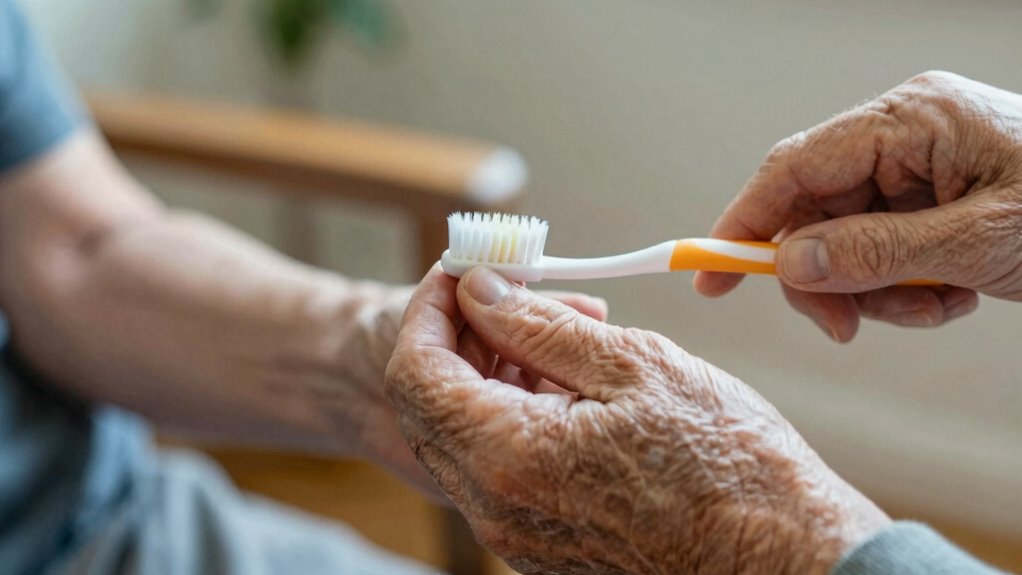
Oral Care in Alzheimer’s: Why It Gets Harder and What Helps
When caring for someone with Alzheimer’s, understanding why oral health becomes challenging is crucial for effective support and ongoing care.
Pflegegeld
The German government has announced an increase in Pflegegeld benefits to support family caregivers, effective from next year. Details are still being finalized.
Pilot known for ‘Miracle on the Hudson’ river plane landing reveals Alzheimer’s diagnosis
Captain Chesley ‘Sully’ Sullenberger, famed for the ‘Miracle on the Hudson,’ discloses he has been diagnosed with Alzheimer’s disease, raising awareness about the condition.
Scientists reprogram brain immune cells to fight Alzheimer’s
Researchers have successfully reprogrammed immune cells in the brain to target Alzheimer’s disease in preclinical studies, marking a potential new treatment approach.
Using the body’s own sounds to diagnose Alzheimer’s and Parkinson’s before the first symptoms appear
Researchers develop in-ear device technology to analyze body sounds for early diagnosis of neurodegenerative diseases like Alzheimer’s and Parkinson’s.
Caring for Early-Onset Alzheimer’s Patients: Special Considerations
Helping those with early-onset Alzheimer’s requires tailored strategies; discover essential considerations to provide compassionate, effective care.
Tech Gadgets for Alzheimer’s Care (GPS Trackers, Alarms)
Keeping your loved one safe with GPS trackers and alarms can transform Alzheimer’s caregiving—discover how these tech gadgets can make a difference today.
Late-Stage Alzheimer’s at Home: When Is Hospice Needed?
Overwhelmed by late-stage Alzheimer’s care at home? Discover when hospice may be the essential next step to providing comfort and support.
Recognizing Pain or Illness in a Non-Communicative Alzheimer’s Patient
Noticing subtle behavioral cues in non-communicative Alzheimer’s patients can reveal underlying pain or illness—discover how to better support their needs.