

To stay connected with your spouse during Alzheimer’s, focus on creating a supportive environment that emphasizes emotional bonds and consistency. Engage in familiar activities like singing or reminiscing, and use gentle communication, such as simple words and gestures. Adapt your surroundings with assistive technology for better connection and comfort. Remember to prioritize your own well-being, so you can provide steady, loving support. Keep exploring ways to nurture your relationship as you learn more about these helpful strategies.

Get comfort and care essentials delivered free — and shop member deals
- Fast, free delivery on millions of items
- Access to Prime Big Deal Days deals on October 6–7
- Prime Video, Amazon Music and more included
Key Takeaways
- Use gentle, consistent communication with familiar phrases and non-verbal cues to reinforce connection.
- Engage in shared activities like music or reminiscing to evoke positive emotions and memories.
- Create a structured, supportive environment that adapts to changing needs for safety and comfort.
- Practice patience and emotional presence, offering reassurance through touch, warmth, and calm words.
- Prioritize caregiver self-care to maintain emotional resilience and provide steady, compassionate support.
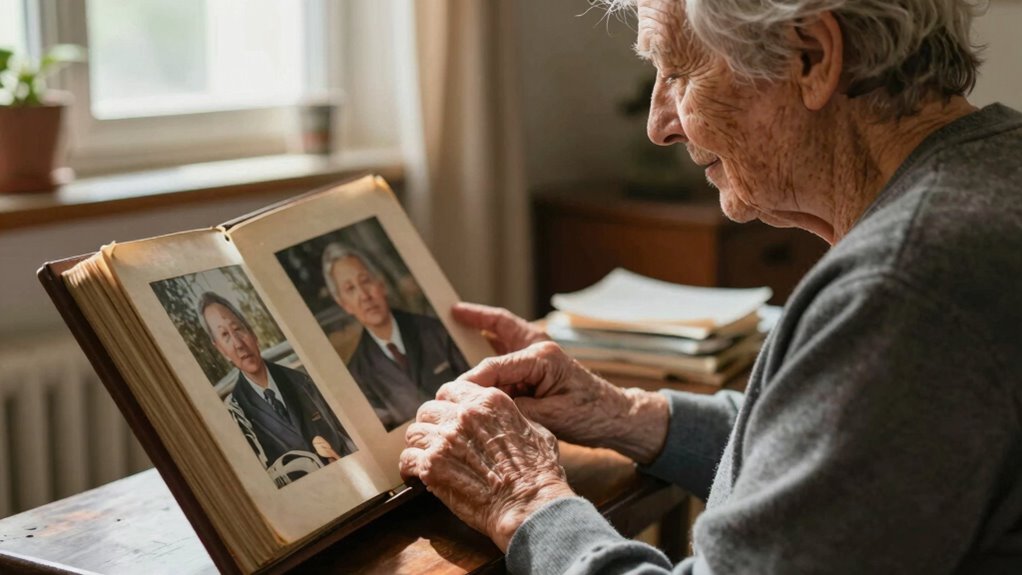
As Alzheimer’s progresses, maintaining a strong connection with your spouse can become increasingly challenging, but it’s also immensely significant. The disease gradually erodes memory, communication, and understanding, making it harder to share meaningful moments. To help your spouse stay connected, you’ll want to explore options like memory care, which provides specialized environments tailored to their needs. Memory care facilities are designed to guarantee safety and offer structured routines that reduce confusion, helping your spouse feel more secure. These settings often include staff trained in Alzheimer’s care, who can assist with daily activities and offer emotional support, which is essential as the disease advances. Being involved in your spouse’s care, whether at home or within a facility, fosters a sense of stability and reassurance, even when memories fade. Creating a supportive environment that adapts to their changing needs can significantly enhance their quality of life and emotional well-being. Additionally, utilizing assistive technology can help bridge communication gaps and promote independence for your spouse. Incorporating personalized routines can also provide familiarity and comfort, helping your spouse feel more at ease in their daily life. Embracing consistent caregiving approaches can further reduce anxiety and confusion for your loved one. Understanding the importance of emotional bonds can help guide your interactions, ensuring your relationship remains meaningful despite cognitive decline.
Offering emotional support remains fundamental throughout this journey. Even when your spouse can’t recall recent events or recognize familiar faces, your presence can provide comfort. Use gentle touch, warm words, and a calm tone to convey love and reassurance. Sometimes, simply sitting quietly together, holding hands, or engaging in familiar songs can evoke feelings of connection, despite memory loss. It’s important to remember that emotional bonds can persist even when cognitive skills decline. Your consistent support helps your spouse feel safe and loved, reinforcing their sense of identity.
Adapting communication strategies is also essential. As verbal skills diminish, non-verbal cues become more meaningful. Maintain eye contact, smile often, and use gestures to express yourself. Repeating familiar phrases or using simple, clear language can help your spouse understand you better. Patience is key—don’t rush conversations or expect them to follow complex ideas. Instead, focus on creating positive interactions that foster emotional closeness. Incorporating activities like music therapy, art, or reminiscing about past experiences can stimulate memories and strengthen your connection, even in the face of cognitive decline.
Finally, prioritize your own well-being. Supporting a spouse with Alzheimer’s can be emotionally taxing, so seek out support groups or counseling when needed. Remember, maintaining your own health and emotional resilience enables you to be a steady source of love and support. By combining appropriate memory care options with heartfelt emotional support and adaptive communication, you help your spouse feel loved and connected, making this difficult journey a little more manageable for both of you.
Alzheimer's communication aid devices
As an affiliate, we earn on qualifying purchases.
As an affiliate, we earn on qualifying purchases.
Frequently Asked Questions
How Can I Communicate Effectively During Advanced Stages?
In advanced stages, you can communicate effectively by using sensory stimulation and music therapy. Speak softly, use gentle touch, and incorporate familiar smells or visuals to evoke responses. Music therapy can soothe and trigger memories, helping your spouse connect emotionally. Keep sentences simple, maintain eye contact, and be patient. Your calming presence and these techniques foster connection, reducing frustration and encouraging engagement even when verbal communication becomes difficult.
Are There Specific Activities to Maintain Emotional Bonds?
Think of your bond as a delicate thread woven through shared hobbies and memory journals, strengthening over time. Engage in simple activities like listening to favorite music or creating a memory journal together, capturing moments and feelings. These activities evoke memories and emotions, deepening your connection. By nurturing these shared experiences, you help your spouse feel loved and valued, even as memories fade, keeping your emotional bond resilient and vibrant.
How Do I Handle Memory Loss and Confusion?
To handle memory loss and confusion, you should provide memory reassurance by calmly reminding your spouse of familiar facts and routines. Use simple, clear communication to manage confusion, speaking slowly and patiently. Create a predictable environment and establish consistent daily routines to reduce disorientation. Stay attentive to their emotional needs, offer reassurance, and avoid arguments. Your gentle support helps them feel safe, connected, and valued despite their memory challenges.
What Legal or Financial Preparations Are Recommended?
You should prioritize estate planning early, including creating essential documents like a will and advance directives. Establish a power of attorney to guarantee someone can manage financial and healthcare decisions if your spouse becomes unable. Consulting an attorney experienced in elder law helps you navigate these legal preparations smoothly. Taking these steps provides peace of mind, safeguards your spouse’s interests, and ensures their wishes are respected throughout Alzheimer’s progression.
How Can I Care for My Own Mental Health?
You can care for your mental health by establishing self-care routines, like regular exercise, mindfulness, or hobbies that bring you joy. Make time for emotional support by talking with friends, joining support groups, or seeking counseling. Prioritizing these activities helps you recharge emotionally, reduces stress, and keeps you resilient as you navigate your spouse’s Alzheimer’s journey. Remember, taking care of yourself is essential to caring effectively for your loved one.
Conclusion
Remember, maintaining your spouse’s connection is a continuous journey, much like tending a vintage radio—sometimes delicate, sometimes requiring a gentle touch. Keep patience and love at the forefront, adapting as the disease evolves. Cherish those moments of clarity, and don’t forget to lean on support when needed. With persistence, you can help your partner feel loved and valued, even as Alzheimer’s turns the pages of your shared story into a new chapter.
Halloween Picks
halloween
As an affiliate, we earn on qualifying purchases.