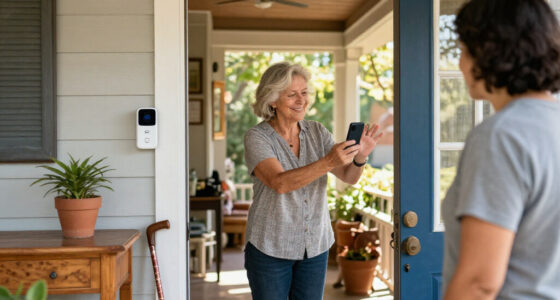
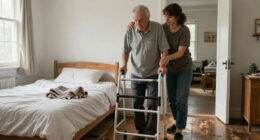
As a caregiver, creating designated safety zones in your home helps protect everyone and speeds up emergency responses. Identify high-risk areas like kitchens and laundry rooms, and install safety devices such as smoke alarms, carbon monoxide detectors, and fire extinguishers. Make sure pathways are clear and accessible, and stock these zones with essentials like water, food, and first-aid supplies. Address specific needs of family members and practice safety routines regularly—stay with us to discover more vital tips.

Turn quiet afternoons into listening time
- Thousands of audiobooks, podcasts and originals
- Listen on your phone, tablet or Echo — also offline
- Cancel anytime
Key Takeaways
- Designate specific areas as safety zones for quick evacuation and emergency response planning.
- Install and regularly maintain safety devices like smoke, carbon monoxide detectors, and security alarms.
- Keep pathways clear and accessible, especially in high-risk areas like kitchens and laundry rooms.
- Stock safety zones with essential supplies such as water, food, first aid kits, and flashlights.
- Tailor safety zones to meet household members’ needs, including children, elderly, and disabled individuals.

Have you ever wondered how to make your home safer for everyone? Creating designated safety zones is a smart way to protect your loved ones and a biodiversity-friendly environment by reducing hazards that could impact health. These zones act as dedicated areas where safety measures are prioritized, giving you peace of mind and a clearer plan in case of emergencies. One of the most important aspects of these zones is addressing fire hazards. You should identify areas where fire risk is higher, such as the kitchen or laundry room, and make sure smoke detectors are installed and functioning properly in these spots. Keeping a fire extinguisher nearby and ensuring everyone knows how to use it can make a huge difference during an emergency. Regularly checking electrical cords, avoiding overloaded outlets, and keeping flammable materials away from heat sources also help minimize fire hazards. Home safety zones should also incorporate safety products like carbon monoxide detectors and security alarms to enhance overall protection. Additionally, improving indoor air quality with proper ventilation can contribute to a healthier environment within these safety zones. Proper hazard mitigation involves identifying potential dangers and taking steps to eliminate or reduce them, ensuring a safer living space for everyone. Implementing fire safety measures within these zones is essential to prevent accidents and protect your household effectively.
Emergency preparedness is another essential element when establishing home safety zones. You need to plan and practice responses to common emergencies like fires, severe weather, or medical crises. Designating a specific zone as a safe meeting point outside your home helps everyone reconnect if you need to evacuate. Inside your house, create clear pathways free of clutter that can hinder quick escapes or access for emergency responders. Stock these zones with essential supplies, such as water, non-perishable food, flashlights, and a basic first-aid kit. Label these zones clearly so everyone knows where to go and what to do in a moment of panic.
Furthermore, consider the unique needs of your household members when setting up your safety zones. For children, install safety gates or outlet covers in designated areas to prevent accidents. For elderly or disabled family members, ensure pathways are accessible and equipped with mobility aids if necessary. These zones should be easy to reach and clearly marked, making them effective during stressful situations. Regular drills help reinforce routines, so everyone knows how to quickly move to the safety zones when needed. Being proactive about emergency preparedness and addressing fire hazards within your safety zones can save lives, reduce injuries, and create a calmer environment during chaos.
As an affiliate, we earn on qualifying purchases.
Frequently Asked Questions
How Often Should Safety Zones Be Reassessed or Updated?
You should regularly reassess and update your safety zones at least every six months or when significant changes occur in your home or routines. Conduct a thorough risk assessment during these updates, checking for new hazards. Incorporate emergency preparedness into your review, ensuring safety zones remain effective during emergencies. Staying proactive helps you identify potential dangers early and keeps your home safe for everyone.
What Materials Are Safest for Creating Protective Barriers?
Imagine wrapping your child in a gentle, safe embrace—your barriers should do the same. Use non-toxic materials like soft foam, sturdy plexiglass, or BPA-free plastics for child-proof barriers. These materials are safe, durable, and free from harmful chemicals, ensuring your little one’s safety without worries. Always choose products labeled as non-toxic and specifically designed for child-proofing, creating a secure environment where your child can explore freely and safely.
How Can I Involve My Loved One in Safety Zone Planning?
You can involve your loved one in safety zone planning by using engagement strategies like asking for their input and preferences, making them feel part of the process. Incorporate safety education by explaining why certain zones are important and how they can help prevent accidents. Encourage their participation in choosing materials and layout, which boosts their sense of control and guarantees the safety measures are tailored to their needs.
Are There Specific Safety Zones Recommended for Outdoor Areas?
Yes, for outdoor areas, you should create safety zones with features like garden fencing to prevent wandering and secure boundaries. Add outdoor lighting to guarantee visibility at night, reducing trip hazards and deterring intruders. Make sure pathways are clear and well-lit, and consider installing locks on gates. These measures help keep your loved one safe while enjoying outdoor spaces, promoting independence without compromising security.
How Do I Balance Safety With Independence in Safety Zones?
Sure, because nothing says “independent living” like risking a tumble down the stairs! To balance safety with independence, conduct a risk assessment to identify hazards, then implement mobility support options like grab bars and clear pathways. Encourage your loved one’s autonomy while gently guiding them away from danger. It’s all about creating safe zones that support independence—without turning your home into a prison.
Conclusion
By creating dedicated safety zones, you’re planting seeds of security and trust within your home. These zones become your sanctuary, symbolizing love and protection that grow stronger every day. When you establish these safe havens, you’re not just safeguarding your loved ones — you’re nurturing a foundation of peace and confidence. Remember, these zones are more than physical spaces; they’re the heartbeats of your home, where safety blooms and worries fade away.
Fall Picks
fall essentials
As an affiliate, we earn on qualifying purchases.