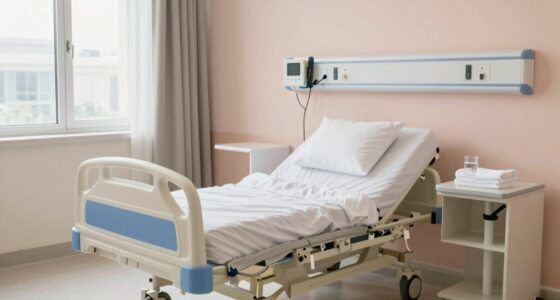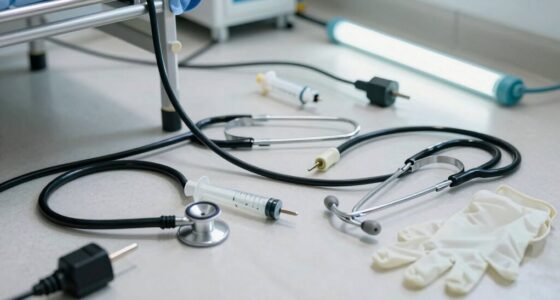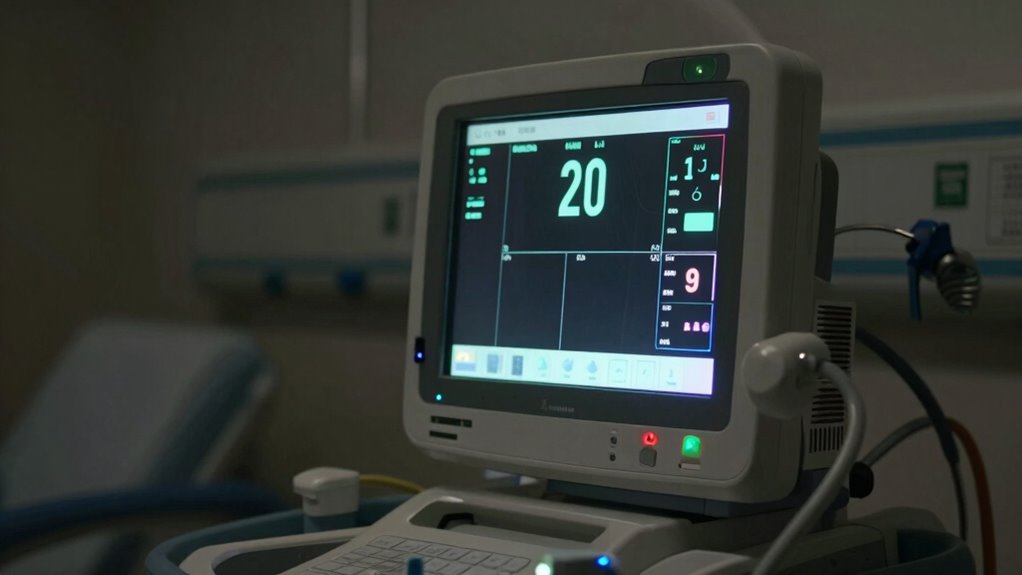

Good lighting around medical equipment is essential because it helps you see every detail clearly, reducing the risk of errors during procedures. Proper illumination improves safety, allowing you to quickly spot malfunctions, spills, or hazards. It also minimizes eye strain over long shifts, so you stay alert and precise. Bright, even light guarantees patient safety and boosts the accuracy of diagnostics and treatments. Keep exploring to discover how ideal lighting can elevate your healthcare environment further.

Get comfort and care essentials delivered free — and shop member deals
- Fast, free delivery on millions of items
- Access to Prime Big Deal Days deals on October 6–7
- Prime Video, Amazon Music and more included
Key Takeaways
- Proper lighting enhances visibility of medical equipment, reducing errors during procedures and maintenance.
- Bright, focused light helps detect equipment malfunctions or contamination promptly.
- Good illumination minimizes shadows and glare, ensuring accurate readings and adjustments.
- Well-lit areas improve safety by preventing trips, falls, and accidental injuries around equipment.
- Clear lighting supports infection control by revealing debris or contamination on or near equipment.
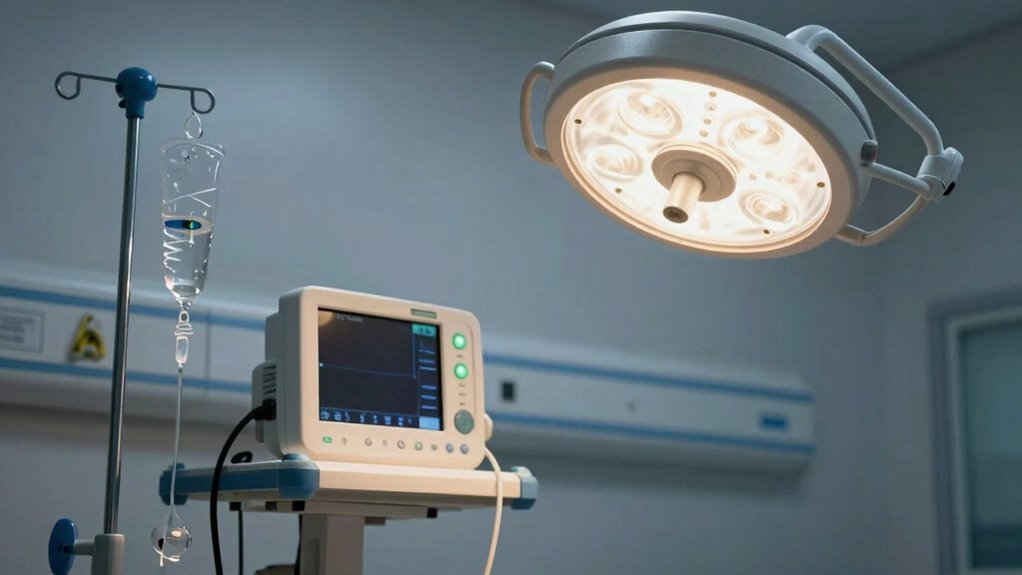
Proper lighting around medical equipment is essential for guaranteeing safety, accuracy, and efficiency in healthcare settings. When you focus on well-designed lighting, you create an environment where procedures are performed with precision, reducing the risk of errors. Good lighting enhances the visibility of intricate instruments and patient details, which is critical during surgeries, examinations, or diagnostics. Without sufficient illumination, even the most skilled healthcare professionals can struggle to see fine details, increasing the chances of mistakes that could affect patient outcomes.
Proper lighting ensures safety, accuracy, and efficiency during medical procedures and diagnostics.
Ambient enhancement plays an important role in this context. By improving the overall lighting quality, you help create a workspace that minimizes shadows and glare, making it easier to concentrate on complex tasks. Proper ambient lighting also reduces eye strain during long shifts, allowing healthcare providers to maintain high levels of focus and alertness. When ambient enhancement is achieved through strategic placement of lights and the use of adjustable fixtures, you foster a safer environment where everyone can work more comfortably and efficiently. Additionally, well-designed lighting can adapt to different tasks, further supporting precision and safety. Incorporating appropriate lighting levels tailored to specific procedures can greatly improve outcomes and reduce fatigue. Ensuring consistent illumination throughout the workspace is crucial for maintaining optimal visibility at all times. In fact, adequate lighting can also help mitigate fatigue and discomfort, which contributes to better overall performance in healthcare environments. Proper lighting also plays a vital role in patient safety by enabling staff to detect potential hazards more effectively.
Safety improvements stemming from better lighting are undeniable. In emergency situations, quick and accurate responses depend heavily on clear visibility. Well-lit areas help prevent accidents, such as trips or falls, by illuminating pathways and equipment clearly. It also ensures that safety warnings, labels, and instructions are easily visible, reducing the chance of misuse or mishandling of sensitive tools. Improved lighting can alert staff immediately if something is amiss, like a malfunctioning device or a spill, enabling swift action that minimizes harm.
Furthermore, good lighting around medical equipment supports infection control practices. Bright, evenly distributed light helps staff spot contamination or debris that could otherwise be missed in poorly lit environments. This not only boosts safety but also contributes to better hygiene standards, essential in preventing healthcare-associated infections.
In essence, you can’t underestimate the power of proper lighting in healthcare settings. It’s more than just illumination; it’s a fundamental aspect of creating a safe, effective, and reliable environment. Ambient enhancement and safety improvements go hand in hand, ensuring that both patients and staff are protected. When you invest in high-quality lighting solutions, you’re directly supporting better patient care and streamlining healthcare delivery. It’s a simple yet impactful way to elevate the standards of safety and accuracy, making every procedure smoother and more secure.
As an affiliate, we earn on qualifying purchases.
Frequently Asked Questions
How Does Lighting Impact Infection Control in Medical Environments?
Good lighting directly impacts infection control by enhancing visual acuity and ensuring you can accurately identify contaminants or breaches in sterile areas. Using the right color temperature helps you distinguish between different surfaces and tools, reducing errors. Bright, well-placed lighting minimizes shadows and glare, making it easier to maintain cleanliness and detect potential hazards, which ultimately helps prevent infections in medical environments.
What Are the Best Lighting Options for Sensitive Medical Procedures?
Think of your lighting as the guiding star in delicate medical procedures. You should choose high-quality ambient illumination to create a calm, even glow, reducing shadows and eye strain. Complement this with focused task lighting directly on the equipment and patient area for precision. Together, these lighting options guarantee clarity, safety, and confidence during sensitive procedures, making sure every step is visible and controlled.
How Can Lighting Reduce Errors During Equipment Operation?
Proper lighting enhances visual clarity, allowing you to see details clearly and reducing errors during equipment operation. By prioritizing lighting ergonomics, you minimize eye strain and fatigue, which can lead to mistakes. Well-designed lighting guarantees consistent illumination, helping you focus and maintain accuracy. When your workspace is well-lit, you’re less likely to overlook critical signals or indicators, ultimately improving patient safety and operational precision.
What Maintenance Is Required for Optimal Medical Lighting?
You need to regularly check your medical lighting for ideal performance. Make certain the bulbs are replaced promptly when they burn out, maintaining consistent brightness. Focus on lighting durability by using high-quality bulbs designed for medical environments, which resist wear and tear. Clean fixtures to prevent dust buildup, and inspect wiring for any damage. Proper maintenance ensures reliable illumination, reducing errors and supporting accurate medical procedures.
Are There Specific Lighting Standards for Medical Equipment Areas?
Yes, there are specific lighting standards for medical equipment areas. You should guarantee sufficient ambient illumination to create a well-lit environment, reducing shadows and glare. Additionally, task lighting must be adjustable and focused on precise areas to aid procedures and inspections. Following guidelines like those from healthcare standards organizations helps maintain safety, accuracy, and comfort for both staff and patients, ensuring ideal visibility around sensitive medical equipment.
Conclusion
Good lighting around medical equipment isn’t just about visibility; it’s about creating a safe, reliable environment where every detail shines through. When your lighting is well-planned, it acts like a guiding lighthouse, leading healthcare providers through precise procedures and reducing errors. Remember, in the world of medicine, good lighting is the silent hero that transforms a room from chaos into clarity—ensuring every patient receives the care they deserve with confidence and precision.
Halloween Picks
halloween
As an affiliate, we earn on qualifying purchases.