

Poor sleep quality can slow your stroke recovery by disrupting essential healing processes, such as immune regulation and cell repair. When your sleep is fragmented or shallow, it hampers cognitive function, memory, and emotional stability, making rehab more difficult. Sleep disturbances also interfere with your sleep-wake cycle, increasing health risks like heart issues and infections that further delay healing. To understand how improving your sleep can boost recovery, keep exploring this important connection.

Turn quiet afternoons into listening time
- Thousands of audiobooks, podcasts and originals
- Listen on your phone, tablet or Echo — also offline
- Cancel anytime
Key Takeaways
- Poor sleep quality impairs brain repair processes essential for stroke recovery.
- Disrupted REM sleep hampers memory, cognitive function, and emotional regulation post-stroke.
- Sleep disturbances weaken immune function, increasing infection risk and delaying healing.
- Fragmented sleep reduces motivation for rehabilitation exercises, hindering progress.
- Irregular sleep patterns disrupt the sleep-wake cycle, negatively affecting overall recovery.
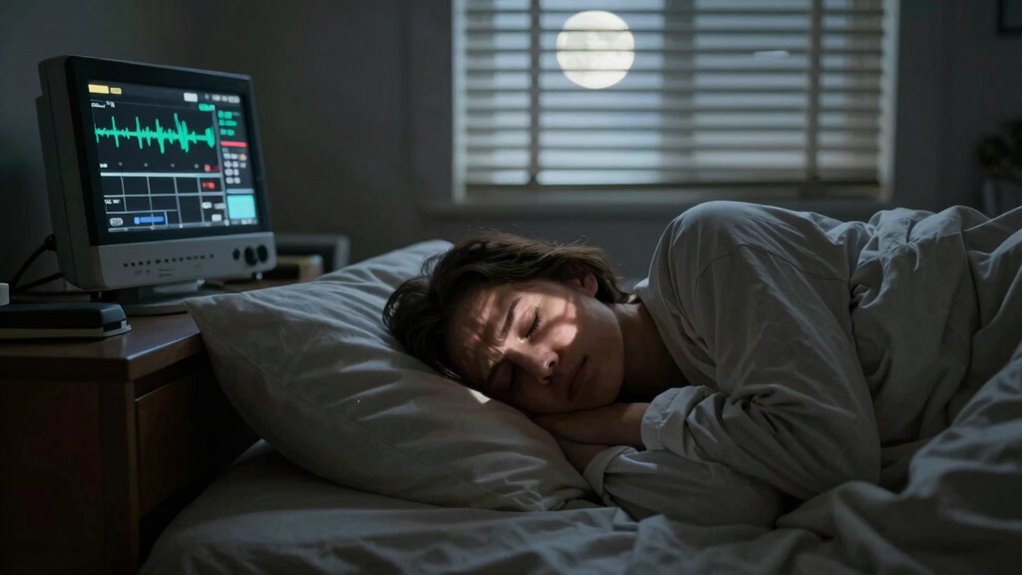
Sleep plays a vital role in stroke recovery, yet many patients experience significant changes in their sleep patterns afterward. These changes can directly impact your ability to heal and regain lost functions. When your sleep quality deteriorates, your body misses out on essential restorative processes. Deep, uninterrupted sleep helps repair brain cells, regulate immune function, and restore energy levels. If your sleep becomes fragmented or shallow, these processes slow down, which can prolong your recovery period. Poor sleep quality also leads to increased fatigue, making it harder to stay motivated and engaged in your rehabilitation exercises. Furthermore, this can result in a downward spiral where lack of proper rest hampers progress and diminishes your overall well-being.
One key aspect that often gets disrupted after a stroke is your REM (Rapid Eye Movement) cycle. REM sleep is essential for cognitive functions, memory consolidation, and emotional regulation. When REM cycles are interrupted or reduced, you may notice increased forgetfulness, difficulty concentrating, and mood swings. These issues can interfere with your therapy sessions, making it harder to learn new skills or retain information. Additionally, disturbances in REM sleep can lead to heightened stress levels and emotional instability—factors that further complicate recovery. You might find yourself feeling more anxious or depressed, which can create a barrier to engaging fully in your rehabilitation process. Disrupted sleep patterns can also impact the sleep-wake cycle, making it more challenging to establish a consistent routine necessary for optimal recovery. Recognizing and addressing sleep disturbances promptly can significantly improve your overall recovery outlook. Proper management of these issues may involve lifestyle changes or consulting healthcare professionals, which can help restore a healthier sleep health and support your healing process.
The disruption of sleep quality and REM cycles isn’t just inconvenient; it has tangible effects on your physical and mental health. Sleep deprivation or irregular sleep patterns can increase your risk of secondary health problems like hypertension, diabetes, and cardiovascular issues—all of which are common concerns after a stroke. These conditions can, in turn, slow down your recovery and increase the likelihood of additional health setbacks. Furthermore, poor sleep hampers your immune system, making you more vulnerable to infections that can delay healing. It’s essential to recognize that addressing sleep issues isn’t a luxury but a necessity if you want to optimize your recovery trajectory. Adequate sleep management can help maintain the body’s natural healing processes and reduce the risk of complications. Ensuring good sleep hygiene and consulting healthcare professionals about sleep concerns can make a substantial difference in your rehabilitation journey. Incorporating sleep hygiene practices such as maintaining a consistent bedtime routine, limiting screen time before sleep, and creating a comfortable sleep environment can also support your recovery efforts.
As an affiliate, we earn on qualifying purchases.
Frequently Asked Questions
Can Improving Sleep Quality Reduce Stroke Recurrence Risk?
Yes, improving your sleep quality can reduce stroke recurrence risk. Addressing sleep apnea, a common issue after a stroke, helps lower blood pressure and improves overall heart health. Regular, restful naps also support recovery and reduce stress. By prioritizing good sleep hygiene, avoiding disruptions, and managing sleep disorders, you actively lower your chances of another stroke, promoting better long-term health and recovery.
Are Sleep Medications Safe During Stroke Recovery?
Sleep medication safety during stroke recovery varies, so you should always consult your doctor first. These medications can help improve sleep, but they may also cause medication side effects like dizziness or confusion, which could hinder your recovery. Be cautious about relying on sleep aids and discuss potential risks with your healthcare provider to guarantee your safety and optimize your recovery process.
How Do Sleep Changes Affect Emotional Well-Being After a Stroke?
Like a knight losing their armor, sleep changes after a stroke can weaken your emotional resilience and mood stabilization. You might find yourself more prone to frustration, anxiety, or sadness, making it harder to cope with daily challenges. Poor sleep disrupts brain function, hampering your ability to regulate emotions. Prioritizing good sleep helps restore emotional balance, enabling you to better navigate recovery and rebuild your mental strength.
What Role Does Sleep Hygiene Play in Rehabilitation Success?
Good sleep hygiene is essential for your rehabilitation success. By establishing consistent sleep routines, you help your body and brain recover more effectively. Creating a restful sleep environment—keeping the room dark, quiet, and cool—further enhances sleep quality. When you prioritize these habits, you support your overall recovery, improve energy levels, and boost your motivation, making it easier to participate actively in your stroke rehabilitation process.
Can Sleep Tracking Devices Help Monitor Recovery Progress?
Yes, sleep tracking devices can help monitor your recovery progress by providing insights into your sleep pattern. They give you real-time data on sleep duration, quality, and disturbances, helping you identify issues that may hinder healing. However, device accuracy varies, so it’s important to use reputable trackers and discuss findings with your healthcare provider. This way, you can make informed adjustments to improve your sleep and recovery.
Conclusion
By prioritizing good sleep, you can dramatically improve your stroke recovery. Don’t let poor rest turn you into a couch potato—think of it as your secret weapon, much like a knight’s trusty steed. Sleep helps repair your brain and body, making your journey to wellness smoother. So, embrace healthy sleep habits now, and remember, even the mightiest heroes need rest to conquer their battles. Sleep well, and take charge of your recovery!
Columbus Day / Indigenous Peoples' Day Picks
long weekend sales
As an affiliate, we earn on qualifying purchases.