
TL;DR

Turn quiet afternoons into listening time
- Thousands of audiobooks, podcasts and originals
- Listen on your phone, tablet or Echo — also offline
- Cancel anytime
UCLA has developed DDL-920, a drug that replicates the effects of physical rehabilitation after stroke in mice. This discovery could lead to new pharmacological treatments for stroke recovery in humans, addressing a major gap in stroke medicine.
UCLA researchers have announced the discovery of DDL-920, the first drug shown to fully reproduce the effects of physical stroke rehabilitation in laboratory mice, potentially transforming stroke recovery treatment.
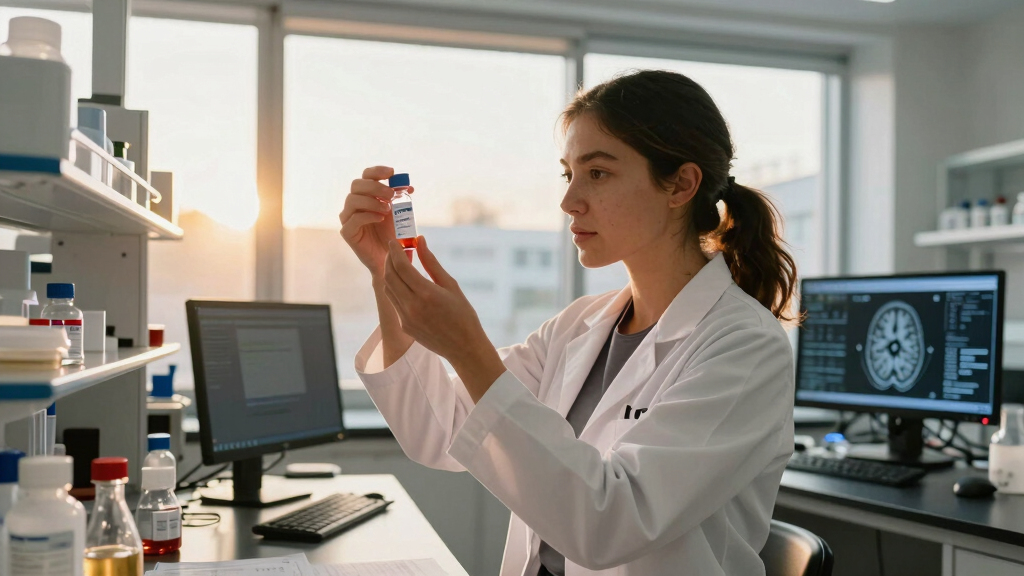
The study, published in Nature Communications, reports that DDL-920 excites parvalbumin neurons in the brain, helping to restore gamma oscillations disrupted by stroke. These oscillations are crucial for reconnecting neural networks involved in movement and gait.
In mouse models, DDL-920 led to significant improvements in movement control, suggesting it can repair brain connections lost after stroke. The drug was developed based on understanding how physical rehabilitation restores brain function by re-establishing neural circuits distant from the stroke site.
Why It Matters
This discovery is significant because stroke remains the leading cause of adult disability, and current treatments focus mainly on physical rehabilitation, which has limited effectiveness. A pharmacological option like DDL-920 could supplement or replace physical therapy, enabling more consistent and accessible recovery for stroke patients.
Moreover, this research shifts stroke recovery into a molecular medicine framework, opening pathways for new drug development and potentially reducing long-term disability related to stroke.
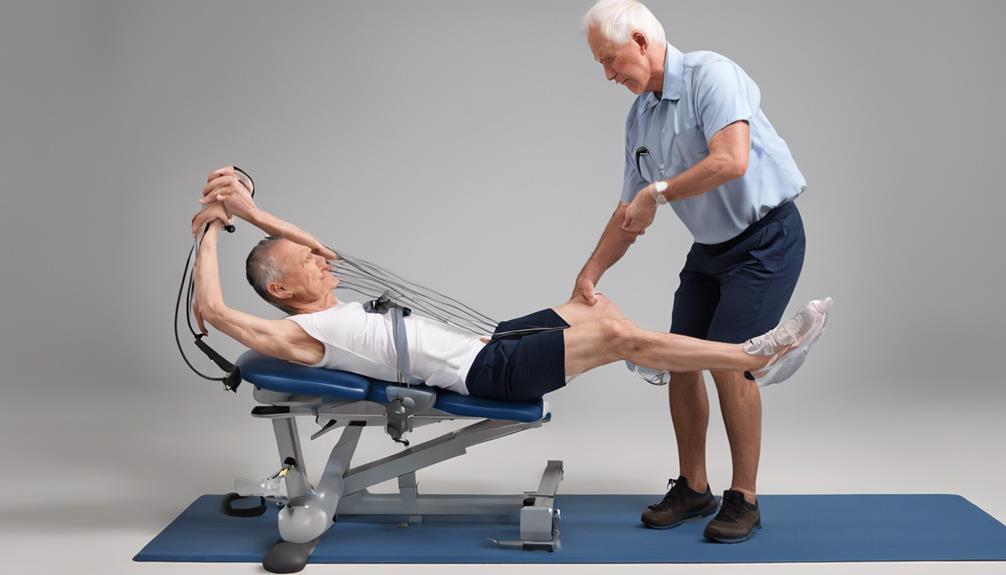
stroke rehabilitation therapy equipment
As an affiliate, we earn on qualifying purchases.
As an affiliate, we earn on qualifying purchases.
Background
Stroke causes widespread brain damage, often disconnecting neurons and impairing movement. Currently, no drugs exist that directly promote neural repair post-stroke, leaving rehabilitation as the primary treatment. Previous studies identified loss of gamma oscillations and disconnected neural circuits as key factors in impaired recovery. UCLA’s research builds on these findings, aiming to target the brain’s circuitry pharmacologically.
“Our goal is to develop a medicine that produces the effects of rehabilitation, which currently is limited in its effectiveness because patients cannot sustain intensive therapy.”
— Dr. S. Thomas Carmichael
“DDL-920 excites parvalbumin neurons and restores gamma oscillations, leading to significant recovery in movement control in mice.”
— Varghese John, UCLA researcher
What Remains Unclear
It is not yet clear whether DDL-920 will be safe or effective in humans. Further preclinical studies and clinical trials are needed before the drug can be considered for human use.
What’s Next
Researchers will conduct additional safety and efficacy studies in animals, followed by phased clinical trials in humans. The goal is to determine whether DDL-920 can be approved as a treatment for stroke recovery.
Key Questions
When might DDL-920 be available for human trials?
It is not yet known; the next steps involve preclinical testing, which could take several years before clinical trials begin.
Could this drug replace physical rehabilitation entirely?
It is too early to say. The drug may complement rehabilitation or serve as an alternative for patients unable to undergo intensive therapy.
Are there any known side effects of DDL-920?
Side effects are unknown at this stage; safety studies are ongoing.
How does DDL-920 work to repair brain damage?
The drug excites parvalbumin neurons to restore gamma oscillations, which help reconnect neural circuits disrupted by stroke.
Halloween Picks
halloween
As an affiliate, we earn on qualifying purchases.