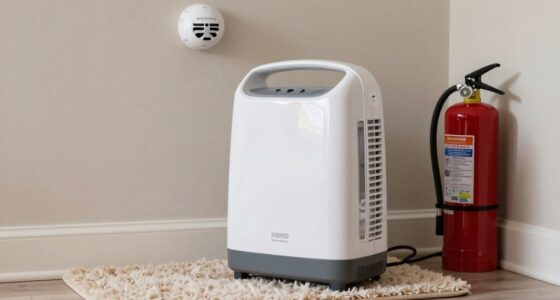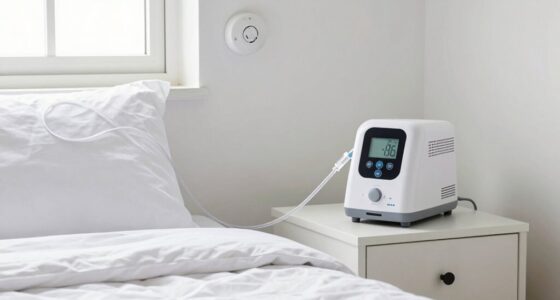

To keep your oxygen equipment reliable, you should perform regular maintenance habits like inspecting hoses, fittings, and filters for wear or blockages. Calibrate sensors periodically to guarantee precise readings and replace filters according to guidelines. Conduct visual checks for leaks, cracks, or damage to prevent safety risks. Staying proactive with routine inspections and addressing issues early helps extend your device’s lifespan and maintain its safety and performance. For more helpful tips, keep exploring effective maintenance practices.

Turn quiet afternoons into listening time
- Thousands of audiobooks, podcasts and originals
- Listen on your phone, tablet or Echo — also offline
- Cancel anytime
Key Takeaways
- Perform regular calibration of oxygen sensors to ensure accurate oxygen level readings.
- Replace filters routinely to prevent contamination and maintain proper airflow.
- Conduct visual inspections of hoses, connectors, and components for wear, leaks, or damage.
- Follow manufacturer guidelines for scheduled maintenance and document all service activities.
- Incorporate preventive maintenance into routine care to detect issues early and ensure safety and reliability.
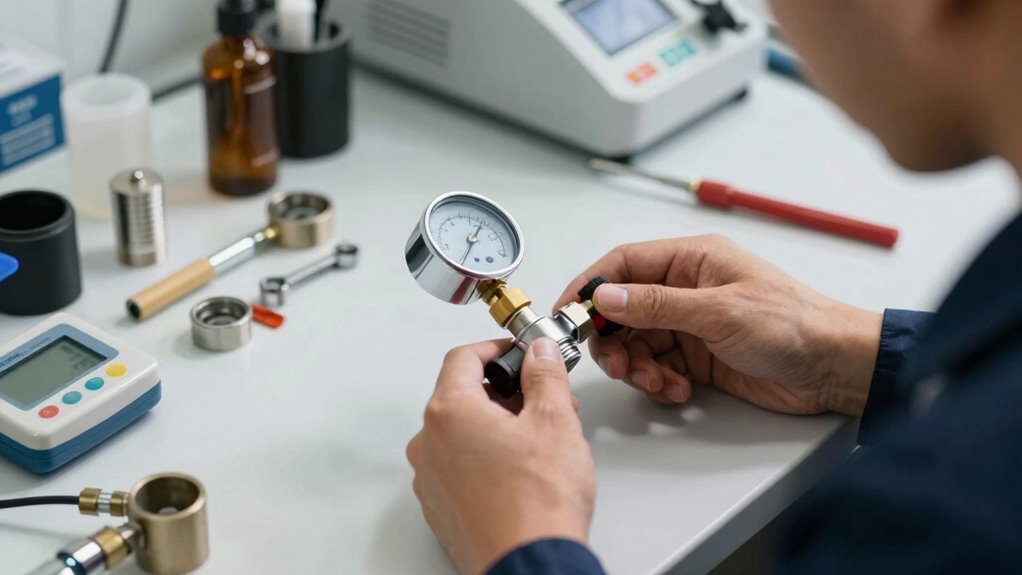
Maintaining reliable oxygen equipment is crucial for ensuring safety and peak performance. When you make regular maintenance a priority, you prevent unexpected failures and extend the lifespan of your devices. One key aspect of this is oxygen sensor calibration. Over time, sensors can drift, leading to inaccurate oxygen readings that compromise safety and effectiveness. By routinely calibrating your oxygen sensors, you guarantee that your equipment provides precise measurements, which is critical during both routine use and emergencies. Establish a schedule for oxygen sensor calibration based on manufacturer recommendations or usage frequency, and stick to it diligently. This proactive approach minimizes the risk of incorrect oxygen delivery and maintains the integrity of your system. Regular calibration also helps detect sensor degradation early, ensuring ongoing accuracy.
Another essential habit involves adhering to a consistent filter replacement schedule. Filters trap dust, debris, and other contaminants that can clog your equipment and impair function. When filters become dirty or clogged, airflow decreases, and the system may work harder, increasing wear and tear. Regularly inspecting and replacing filters according to your manufacturer’s guidelines ensures your equipment runs smoothly and efficiently. It also reduces the chance of bacterial growth or other contamination that could pose health risks. Keep a log of when filters are replaced to stay on top of maintenance intervals, and don’t wait until filters appear visibly dirty—many filters need replacing well before they look clogged. Incorporating preventive maintenance into your routine further enhances the reliability of your oxygen system. Additionally, understanding the importance of sensor calibration can help you prioritize calibration schedules and maintain device accuracy over time.
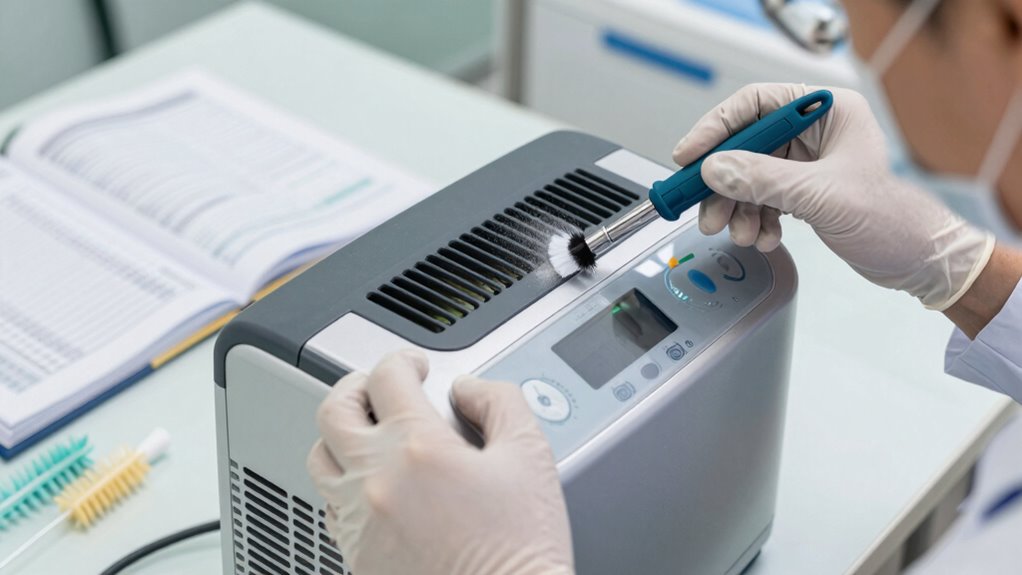
Beyond calibration and filters, you should also develop habits around routine visual inspections. Check hoses, connectors, and other components for signs of wear, cracks, or leaks. Early detection of potential problems allows you to address issues before they escalate into costly repairs or safety hazards. When inspecting, pay close attention to the condition of seals and fittings, ensuring they’re tight and undamaged. Regular cleaning of external parts also helps prevent dust accumulation that could affect sensor performance or airflow. Incorporating systematic maintenance into your routine ensures all aspects of your oxygen equipment are functioning optimally and safely. Being proactive with equipment inspections can significantly reduce downtime and improve safety outcomes.
As an affiliate, we earn on qualifying purchases.
Frequently Asked Questions
How Often Should Oxygen Equipment Be Professionally Inspected?
You should have your oxygen equipment professionally inspected at least once a year to guarantee oxygen safety and maintain equipment durability. Regular inspections catch potential issues early, preventing malfunctions that could jeopardize your health. If you notice any irregularities or damage, schedule an inspection sooner. Proper maintenance and timely professional checks help keep your oxygen system reliable, ensuring safe and continuous oxygen therapy whenever you need it.
What Are Common Signs of Oxygen System Failure?
Like a warning flare in the night, signs of oxygen system failure alert you to danger. You might notice reduced airflow, strange noises, or leaks, which signal trouble. Always follow safety protocols and review emergency procedures if these signs appear. Ignoring these symptoms can compromise safety, so act swiftly—shut down the system, notify professionals, and avoid using faulty equipment until it’s thoroughly inspected.
Can Maintenance Routines Vary Between Different Oxygen Device Brands?
Yes, maintenance routines can vary between different oxygen device brands. You should check for brand compatibility because some manufacturers design specific parts and protocols, requiring maintenance customization. Following the manufacturer’s recommended guidelines guarantees your device remains reliable and safe. Always refer to the user manual or consult the manufacturer for tailored maintenance procedures, which helps prevent issues and prolongs the lifespan of your oxygen equipment.
Are There Specific Cleaning Agents Recommended for Oxygen Equipment?
Yes, there are specific cleaning agents recommended for oxygen equipment. You should follow the cleaning protocols provided by the manufacturer, which usually specify recommended solutions like mild, non-abrasive soaps or disinfectants safe for medical devices. Avoid harsh chemicals that could damage the equipment or compromise safety. Always make certain you’re using the correct cleaning agents and adhere to the recommended procedures to maintain device reliability and ensure safe use.
How Do Environmental Factors Affect Oxygen Equipment Longevity?
Environmental factors can dramatically impact your oxygen equipment’s durability, almost like they can turn it into dust if you’re not careful. Humidity, extreme temperatures, and dust can cause corrosion, clog filters, and weaken components over time. To keep your equipment running smoothly, store it in a controlled environment and shield it from harsh elements. Proper care helps extend its lifespan, ensuring reliable oxygen delivery when you need it most.
Conclusion
By sticking to these maintenance habits, you’ll keep your oxygen equipment dependable and safe. Regular checks and prompt repairs can prevent unexpected failures, ensuring you’re always prepared. Did you know that nearly 80% of equipment malfunctions are caused by neglecting routine maintenance? Don’t let that be you—prioritize regular care, and your equipment will serve you reliably whenever you need it most. Your health and peace of mind depend on it.
Halloween Picks
halloween
As an affiliate, we earn on qualifying purchases.