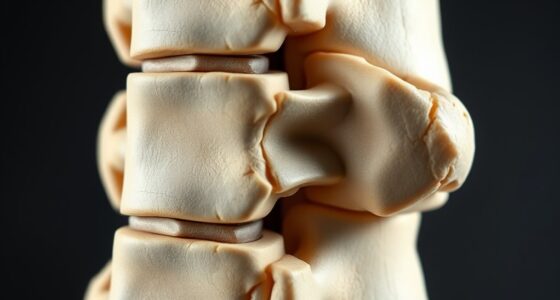

To rebuild confidence after an osteoporosis-related fall, focus on gentle balance exercises like standing on one foot or heel-to-toe walks to improve stability. Celebrate small achievements and stay consistent to boost your confidence gradually. Address fears through mindfulness and deep breathing techniques, and seek support from friends, family, or professionals. Remember, recovery is a journey, and every small step forward helps restore your strength and independence—continue to explore ways to strengthen your mind and body.
Prime for Young Adults — start your free trial
Fast free delivery, streaming and member deals for eligible 18–24 year olds.
As an affiliate, we earn on qualifying purchases.
Key Takeaways
- Engage regularly in gentle balance exercises to restore stability and build confidence gradually.
- Celebrate small achievements to reinforce progress and reduce fear of falling again.
- Practice mindfulness and deep breathing to manage anxiety related to mobility fears.
- Set realistic, incremental goals to regain independence and motivate ongoing effort.
- Seek emotional support from friends, family, or counselors to strengthen resilience and confidence.

Falling can shake your confidence, but it doesn’t have to define your future. When you’ve experienced an osteoporosis-related fall, it’s natural to feel hesitant about moving forward. But instead of dwelling on what happened, focus on rebuilding your strength and confidence step by step. One effective way to do this is by incorporating balance exercises into your daily routine. These exercises help improve your stability, making falls less likely in the future. Simple activities like standing on one foot, heel-to-toe walks, or using a balance board can help you regain control over your body. As you see improvements, you’ll start to feel more secure in your movements, which is essential for restoring your confidence. Additionally, understanding the importance of osteoporosis prevention can motivate you to maintain a bone-healthy lifestyle to support your recovery.
Rebuild confidence with daily balance exercises to improve stability and feel more secure in your movements.
Alongside physical exercises, developing emotional resilience plays a vital role in recovery. After a fall, you might experience fear or anxiety about falling again, which can create a cycle of hesitation and decreased activity. To break this cycle, remind yourself that setbacks are part of the healing process. Focus on your progress, no matter how small, and celebrate each milestone. Practicing mindfulness or deep breathing can help manage feelings of fear and frustration. Reconnecting with supportive friends, family, or a counselor can also bolster your emotional resilience, giving you a safe space to express your concerns and gain encouragement. Incorporating mental health strategies can further enhance your recovery journey. Recognizing the importance of balance and stability can motivate you to stay committed to your exercises and daily routines. Moreover, understanding that fall prevention involves a comprehensive approach can help you address various factors that contribute to falls. Building awareness around osteoporosis risk factors can also empower you to make proactive changes to your environment and habits.
It’s important to set realistic goals as you rebuild your confidence. Start with simple, achievable tasks, and gradually challenge yourself more as your strength improves. For instance, if you’re hesitant to walk outside, begin with short walks around your home or garden. As your muscles and balance strengthen, you’ll find it easier to venture further. Consistency is key—daily practice of balance exercises and mindfulness techniques will reinforce your progress and foster a sense of control. Remember, setbacks might happen, but they’re not a sign of failure. Instead, view them as opportunities to learn and adapt your strategies.
Ultimately, rebuilding confidence after a fall involves both physical and emotional work. By dedicating time to balance exercises, you enhance your stability, and by nurturing emotional resilience, you strengthen your mental outlook. Keep in mind that recovery is a journey, and every small step you take is a victory. With patience and persistence, you can regain your independence and move forward with a renewed sense of confidence.
balance exercises for osteoporosis recovery
As an affiliate, we earn on qualifying purchases.
As an affiliate, we earn on qualifying purchases.
Frequently Asked Questions
How Can I Prevent Future Falls After Osteoporosis?
To prevent future falls after osteoporosis, prioritize home safety by removing tripping hazards, securing loose rugs, and installing grab bars in key areas. Use assistive devices like canes or walkers to support your balance. Regularly exercise to strengthen muscles and improve coordination. Consult with your healthcare provider to review medications and address vision or health issues. Staying proactive and cautious can considerably reduce your fall risk.
What Exercises Are Safest Post-Fall?
Your confidence is a fragile flame after a fall, but gentle exercises can reignite it. Focus on balance exercises like heel-to-toe walks and stand-on-one-leg drills, which strengthen your stability. Incorporate light strength training with resistance bands or light weights to enhance bone support. Always consult your healthcare provider before starting, and prioritize slow, controlled movements to guarantee safety and prevent future falls.
When Should I Seek Professional Help for Fear of Falling?
You should seek professional help for fear of falling if your anxiety starts interfering with daily activities or causes you to isolate yourself. Reach out to a healthcare provider or counselor who can offer emotional support and teach you fear management techniques. Addressing your fears early can prevent them from worsening, helping you regain confidence and improve your quality of life after an osteoporosis-related fall.
How Does Nutrition Impact Fall Recovery?
Nutrition plays a crucial role in your fall recovery by supporting bone strength and balance. Proper intake of calcium enhances calcium absorption, strengthening your bones, while vitamin D metabolism helps your body effectively absorb calcium. Consuming calcium-rich foods like dairy and leafy greens, along with vitamin D sources such as fatty fish or fortified products, boosts your recovery and reduces future fall risks, helping you regain confidence and mobility.
Can Therapy Improve My Balance Quickly?
Yes, therapy can improve your balance quickly. Focused balance improvement exercises and personalized therapy sessions boost effectiveness, helping you regain stability faster. Consistent practice under a therapist’s guidance enhances strength, coordination, and confidence. While progress varies, many people notice improvements within a few weeks. Stay committed to your therapy plan, and you’ll see your balance strengthen, reducing fall risk and rebuilding your confidence after an osteoporosis-related fall.
Conclusion
Remember, rebuilding confidence after a fall takes patience, persistence, and practice. Each small step you take, each cautious move you make, each new day you face with courage builds your strength and trust in yourself. Believe in your progress, trust in your journey, and celebrate your victories—no matter how tiny they seem. Because with every effort, with every moment of courage, you’re not just recovering your balance—you’re reclaiming your independence.
Fall yard work Picks
leaf blowers
As an affiliate, we earn on qualifying purchases.