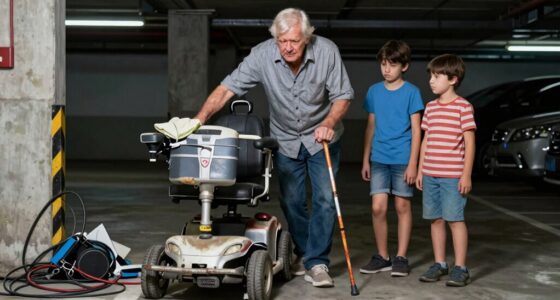

Heavy-duty mobility gear changes transportation needs by pushing you to adapt infrastructure and vehicle designs for larger, heavier devices. Cities expand bike lanes, add charging stations, and reinforce streets to support these stronger, more versatile vehicles. You’ll see a shift toward sustainable materials and resilient urban planning that cater to diverse environments. This evolution guarantees safety, accessibility, and eco-friendliness. If you want to discover how these changes truly reshape urban life, keep exploring what’s coming next.

Turn quiet afternoons into listening time
- Thousands of audiobooks, podcasts and originals
- Listen on your phone, tablet or Echo — also offline
- Cancel anytime
Key Takeaways
- Heavy duty mobility gear requires reinforced infrastructure to support larger, heavier vehicles safely.
- Vehicle designs adapt with stronger frames and larger batteries for rugged terrain and extended use.
- Urban spaces need flexible routes and supports to accommodate diverse, heavy-duty transportation devices.
- Increased environmental considerations promote sustainable materials and eco-friendly transportation solutions.
- Cities evolve their planning to foster resilient, versatile infrastructure that aligns with advanced mobility technology.
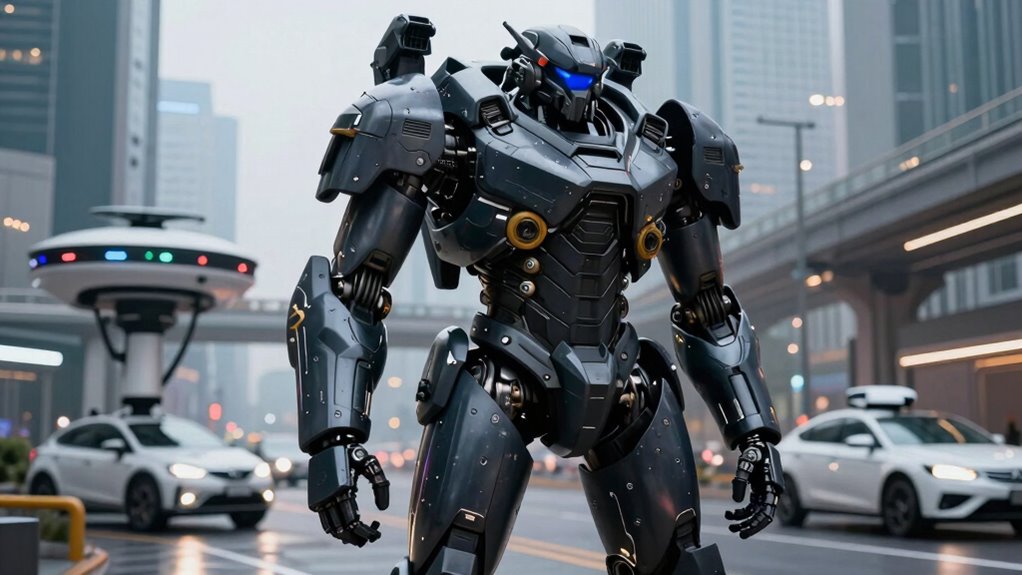
Have you ever wondered how mobility gear transforms the way we travel? When you step into a city or navigate crowded streets, you might not realize how markedly the infrastructure around you adapts to accommodate new forms of transportation. Heavy duty mobility gear, designed for durability and performance, pushes the boundaries of traditional urban infrastructure, demanding changes that influence vehicle design and overall city planning. These advancements don’t just make travel more efficient; they reshape the very foundation of how cities evolve to support diverse mobility needs.
As you utilize heavy duty mobility gear like electric bikes, scooters, or ruggedized personal transport devices, you notice how urban infrastructure must adapt. Streets, bike lanes, and charging stations are no longer just for conventional vehicles—they need to support these powerful, often heavier, devices. This leads to a reevaluation of existing infrastructure, prompting cities to expand or reinforce pathways to accommodate the increased weight and size of new mobility options. It’s a cycle of innovation: as mobility gear becomes more robust, urban infrastructure must evolve to keep up, ensuring safety and accessibility for all users.
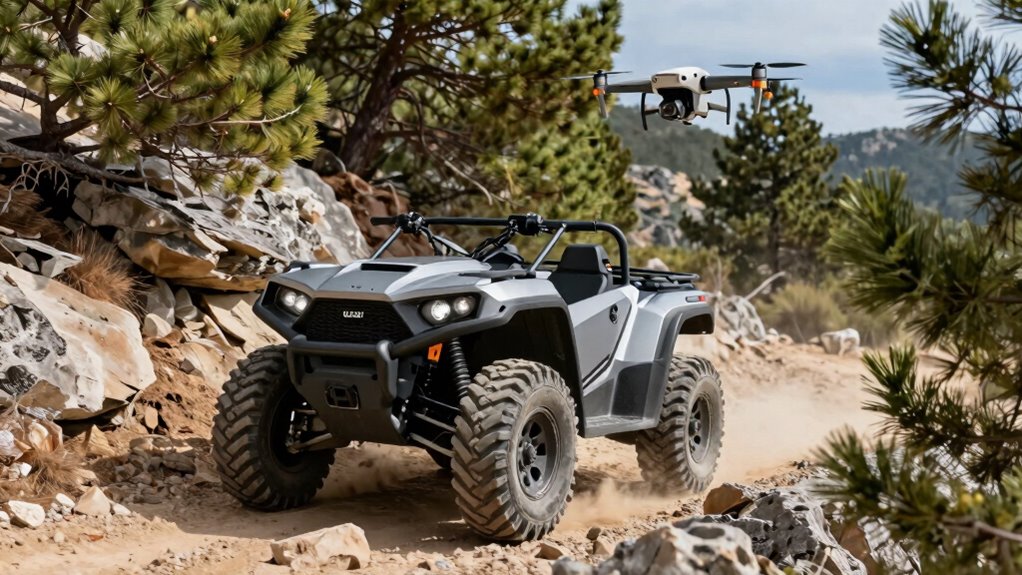
Vehicle design also undergoes a transformation driven by heavy duty mobility gear. Manufacturers craft vehicles with reinforced frames, enhanced suspension systems, and larger batteries to handle the demands of rugged terrain and extended use. These design changes are essential because they allow you to traverse diverse environments—from uneven city streets to rural paths—without sacrificing comfort or safety. You start to see how these vehicles are built with versatility in mind, enabling you to travel further and tackle more challenging terrains than traditional vehicles allowed. This, in turn, impacts urban planning, as cities need to create flexible routes and supports to maximize the potential of this gear.
In essence, heavy duty mobility gear is more than just an upgrade in personal transportation; it’s a catalyst for all-encompassing change. It influences urban infrastructure by prompting the development of more resilient, adaptable spaces that prioritize safety and efficiency. Simultaneously, vehicle design evolves to meet the rigorous demands of these new mobility solutions, making your travel smoother, safer, and more versatile. Recognizing the importance of biodiversity in urban ecosystems further highlights the need for sustainable and adaptable transportation solutions that minimize environmental impact. Incorporating sustainable transportation strategies is crucial to ensure these advancements support healthy and resilient urban environments. Additionally, the integration of environmentally friendly materials in vehicle manufacturing is gaining significance as part of this shift towards sustainability. Moreover, as heavy duty mobility gear becomes more prevalent, environmental impact considerations are increasingly shaping the future of urban transport development, emphasizing the importance of innovative urban planning in this ongoing evolution.
electric bike with reinforced frame
As an affiliate, we earn on qualifying purchases.
As an affiliate, we earn on qualifying purchases.
Frequently Asked Questions
How Does Mobility Gear Impact Urban Infrastructure Development?
You see, mobility gear considerably impacts urban infrastructure development by shaping public transit and pedestrian pathways. As you adopt heavy-duty mobility gear, cities need to expand and adapt public transit options to accommodate new transportation modes. Additionally, pedestrian pathways become more critical for safe, accessible movement. This shift encourages planners to redesign infrastructure, ensuring it supports diverse mobility needs while promoting sustainable, efficient urban environments.
What Are the Environmental Benefits of Using Heavy-Duty Mobility Gear?
You’ll be glad to know that using heavy-duty mobility gear considerably reduces your carbon footprint—up to 40% in some cases. By relying on eco-friendly materials, you minimize environmental harm and promote sustainability. These gear options cut emissions, conserve resources, and support cleaner urban air. Embracing this gear helps you contribute to a healthier planet, making transportation more eco-friendly and aligning with global efforts to reduce environmental impact.
How Does Mobility Gear Influence Emergency Response Times?
Mobility gear considerably boosts emergency response times by enhancing mobility technology. When you use advanced gear, you can navigate difficult terrains faster and more efficiently. This directly improves response efficiency, letting responders reach those in need quicker. The gear’s durability and agility enable swift movement through obstacles, reducing delays. As a result, emergency teams can provide critical assistance promptly, ultimately saving more lives and minimizing damage during crises.
Are There Cost Differences Between Traditional and Gear-Enhanced Transportation?
You’ll find that a cost comparison reveals gear-enhanced transportation often involves higher initial expenses due to advanced equipment and technology. For example, a hospital’s expense analysis shows increased upfront costs, but these are offset by faster response times and better patient outcomes. While traditional methods may be cheaper initially, investing in mobility gear improves efficiency and safety, making it a worthwhile long-term investment despite the higher costs.
What Safety Standards Are Required for Heavy-Duty Mobility Gear?
You need to guarantee your heavy-duty mobility gear meets safety standards by obtaining proper safety certifications and adhering to regulatory compliance requirements. These standards verify that the equipment is safe, reliable, and suitable for demanding transportation tasks. Regular inspections, adherence to industry regulations, and certification from recognized authorities help prevent accidents and ensure your gear provides maximum safety during use. Staying compliant also protects you legally and enhances user confidence.
Conclusion
As you embrace heavy-duty mobility gear, you transform transportation from a simple journey into a resilient voyage through rugged terrain. Just as a sturdy ship withstands stormy seas, this gear empowers you to conquer challenging environments with confidence. With each upgrade, your mobility becomes an unstoppable force, shaping a future where every destination is within reach. So, gear up and let your newfound strength steer you toward endless possibilities, turning obstacles into mere stepping stones on your path.
Evergreen bestsellers Picks
bestsellers
As an affiliate, we earn on qualifying purchases.