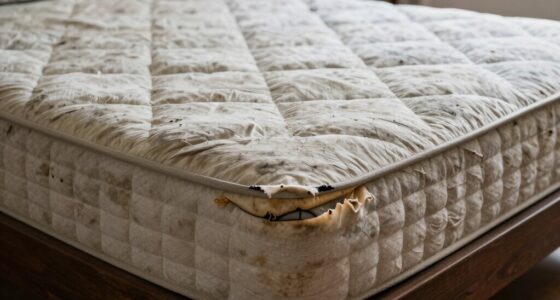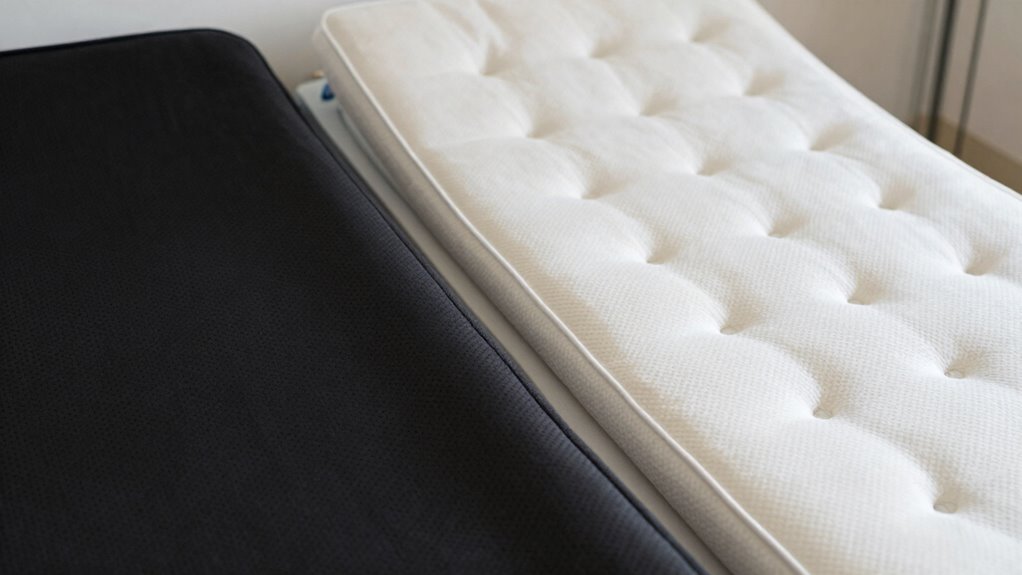

When choosing between low air loss and alternating pressure mattresses, you need to factor in your patient’s skin condition and mobility. Low air loss systems provide a dry, cool environment by circulating air, reducing moisture and friction, making them ideal for fragile skin. Alternating pressure mattresses shift pressure points to improve blood flow and prevent ulcers, especially for patients with existing wounds. Understanding these differences helps you select the best support surface—more details can guide your decision.

Turn quiet afternoons into listening time
- Thousands of audiobooks, podcasts and originals
- Listen on your phone, tablet or Echo — also offline
- Cancel anytime
Key Takeaways
- Low air loss mattresses focus on moisture control and maintaining a dry skin environment, reducing friction and shear forces.
- Alternating pressure mattresses continuously shift pressure points to improve blood flow and prevent ischemia.
- Use low air loss for fragile or moisture-sensitive skin; choose alternating pressure for existing ulcers or limited mobility.
- Combining features or alternating use can optimize pressure redistribution and skin protection.
- Proper selection depends on the patient’s skin condition, moisture levels, and mobility needs.

Are you trying to decide between low air loss and alternating pressure mattresses for pressure ulcer prevention or treatment? Both options aim to provide effective pressure redistribution, which is essential in preventing skin breakdown and promoting healing. Understanding how each mattress works helps you make an informed choice to protect your patient’s skin and improve comfort.
Low air loss mattresses operate by continuously circulating air through tiny perforations in the mattress surface, creating a gentle airflow underneath the patient. This constant circulation not only reduces heat and moisture buildup but also offers superior skin protection by maintaining a dry environment. The pressure redistribution provided by these mattresses minimizes the risk of pressure ulcers, especially in patients who are prone to moisture-related skin issues. Their design encourages better skin health by reducing friction and shear forces, which are common contributors to skin breakdown. If your patient has fragile or compromised skin, low air loss mattresses are particularly effective because they support a stable environment that helps prevent further damage. Additionally, moisture management is a key feature of low air loss mattresses, aiding in the prevention of skin maceration. Incorporating pressure redistribution techniques like these is vital in comprehensive skin care strategies. Proper airflow circulation can also help in reducing bacterial growth and odors, contributing to overall patient comfort and hygiene. Furthermore, the technology used in low air loss mattresses often includes adjustable settings to better customize support based on individual patient needs.
Alternating pressure mattresses, on the other hand, work by periodically shifting pressure points across different areas of the body. They have multiple air cells that inflate and deflate in a cycle, mimicking natural movements and reducing sustained pressure on any one part of the skin. This rhythmic pressure redistribution effectively offloads vulnerable areas, making these mattresses a good choice for patients with existing pressure ulcers or those at high risk. Because they regularly change pressure points, they help prevent skin ischemia, which occurs when blood flow is restricted for too long. Alternating pressure mattresses are especially useful for patients who cannot reposition themselves regularly, as they actively promote blood circulation and help maintain skin integrity over time.
Choosing between the two depends on your patient’s specific needs. Low air loss mattresses excel in environments where moisture control and skin protection are priorities, offering a dry, cool surface that reduces friction and shear. Alternating pressure mattresses excel in reducing sustained pressure and promoting blood flow, making them ideal for patients with existing ulcers or those with limited mobility. Both types aim for pressure redistribution, but their mechanisms differ slightly. Your decision should consider the patient’s skin condition, moisture levels, mobility, and risk factors. In some cases, combining features or alternating use might provide the best protection, ensuring your patient receives exceptional skin care and pressure management. Ultimately, understanding each mattress’s benefits helps you choose the best option to prevent or treat pressure ulcers effectively.
As an affiliate, we earn on qualifying purchases.
Frequently Asked Questions
How Do I Choose Between Low Air Loss and Alternating Pressure Devices?
You should choose between low air loss and alternating pressure devices based on patient comfort and device durability. If the patient needs maximum comfort and skin protection, low air loss mattresses are ideal. However, for better pressure redistribution in more severe cases, alternating pressure devices work well. Consider the durability of the device as well, ensuring it can withstand long-term use. Consult with healthcare professionals for personalized recommendations.
Are There Specific Patient Conditions That Favor One Therapy Over the Other?
If your patient has limited mobility and fragile skin, low air loss therapy can help reduce shear and moisture, promoting healing. Conversely, if they are immobile with existing pressure ulcers, alternating pressure devices better redistribute pressure and stimulate circulation. Always perform thorough skin assessments and consider mobility levels, as these factors guide which therapy suits your patient best. Monitoring skin condition regularly ensures ideal pressure ulcer prevention and management.
What Maintenance Is Required for Each Type of Pressure Redistribution Mattress?
You need to regularly inspect and clean both mattresses to prevent infection and maintain user comfort. For low air loss beds, check for leaks and guarantee the system is functioning properly, replacing filters as needed. For alternating pressure mattresses, verify the pumps and controls are working smoothly, and clean surfaces to prevent bacteria buildup. Proper maintenance keeps the mattresses effective, promotes infection prevention, and guarantees the patient remains comfortable.
Can These Devices Be Used Together for Enhanced Pressure Relief?
Think of combining these devices as creating a symphony of comfort, where each instrument enhances the harmony. Yes, low air loss and alternating pressure mattresses can be used together, but device compatibility is crucial. When properly synchronized, this duo offers superior pressure relief and user comfort. Always consult manufacturer guidelines and healthcare professionals to guarantee seamless integration, transforming pressure redistribution into a nurturing, effective embrace for your loved one.
What Are the Cost Differences Between Low Air Loss and Alternating Pressure Systems?
The cost comparison between low air loss and alternating pressure devices varies, with low air loss systems generally being more affordable upfront due to simpler technology. Alternating pressure devices tend to be pricier because of their advanced features and motorized components. If device affordability is a priority, you might prefer a low air loss system, but consider long-term durability and comfort. Always evaluate your specific needs and budget before making a decision.
Conclusion
Understanding the dance between low air loss and alternating pressure is like choosing the right brushstroke for a masterpiece—each offers unique textures to protect vulnerable skin. You hold the brush, the canvas, and the vision, guiding your patient’s comfort and healing. By knowing their differences, you become the artist who crafts a supportive environment—one that shields against the silent threat of pressure injuries, turning a delicate balance into a symphony of care and compassion.
Halloween Picks
halloween
As an affiliate, we earn on qualifying purchases.