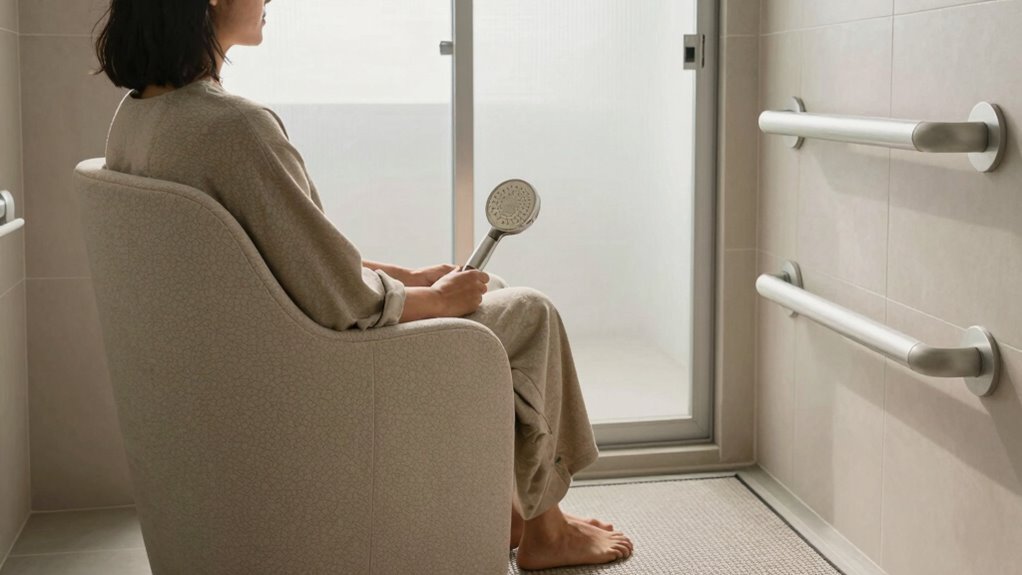

To build a better bathing routine with limited mobility, incorporate adaptive tools like grab bars, non-slip mats, and long-handled brushes to boost safety and independence. Make sure your space is clutter-free and well-lit, and consider installing shower seats for stability. Test water temperature before entering, keep essentials within reach, and establish a consistent schedule to prevent rushing. Thoughtful modifications and safety devices make your routine safer and more comfortable—discover ways to optimize your bathing experience further.

Turn quiet afternoons into listening time
- Thousands of audiobooks, podcasts and originals
- Listen on your phone, tablet or Echo — also offline
- Cancel anytime
Key Takeaways
- Incorporate adaptive tools like grab bars and long-handled brushes to improve safety and independence during bathing.
- Establish a consistent schedule to reduce rushing and prevent accidents.
- Reposition safety devices and tools for easy access and optimal comfort.
- Ensure ample space and proper lighting to enhance visibility and movement.
- Keep emergency alert devices nearby for quick assistance if needed.
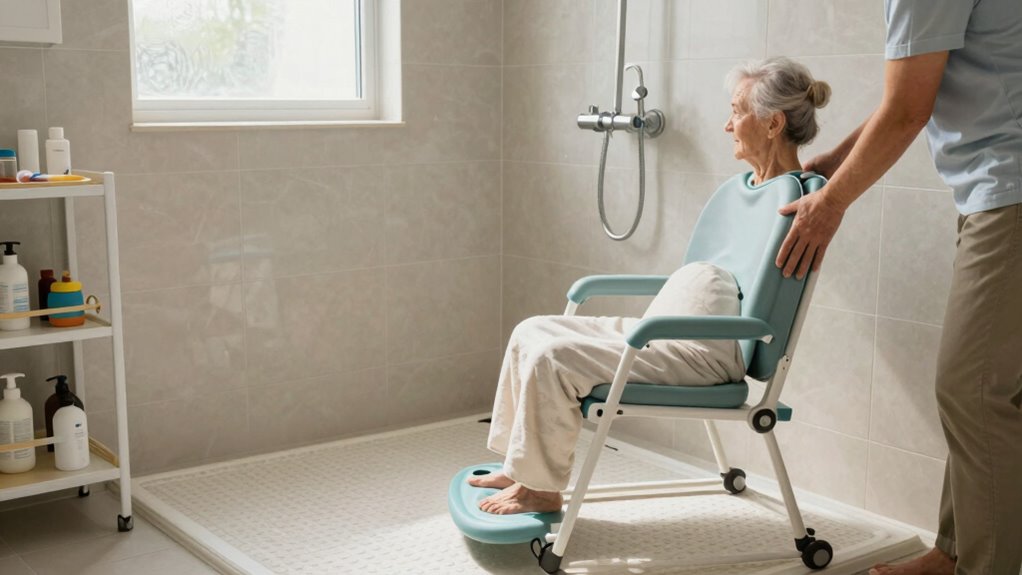
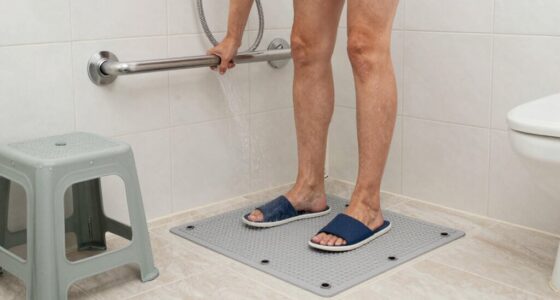
Have you ever wondered how to make bathing safer and more comfortable when mobility is limited? It’s a common concern, but the right approach can make a big difference. One of the most effective ways is to incorporate adaptive tools into your routine. These tools are designed specifically to help you move more easily and securely in the bathroom. For example, grab bars can be installed around the shower or tub to give you sturdy support while standing or sitting. Non-slip mats are another simple addition that can prevent falls, giving you confidence with every step. You might also consider long-handled sponges or brushes that allow you to reach difficult areas without straining or risking balance loss. Adaptive tools aren’t just about convenience—they’re vital for maintaining independence and reducing the risk of injury. Additionally, understanding smart home technology insights can help you integrate innovative solutions that further enhance safety and ease of use in your bathing routine. Incorporating cleaning tools and equipment designed for safety can also help maintain a hygienic environment, reducing hazards caused by mold or soap scum buildup. Using automatic water temperature controls can further minimize the risk of burns and improve safety during baths.
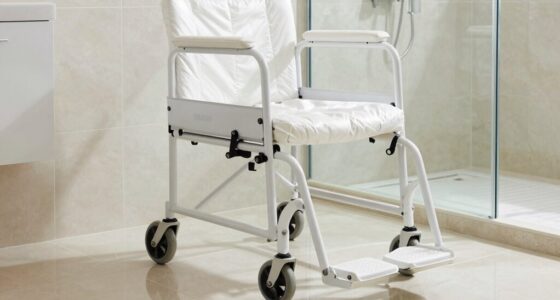
Alongside using adaptive tools, safety precautions play a pivotal role in creating a safer bathing environment. Start by evaluating your bathroom for potential hazards. Clear the area of clutter that could cause tripping, and make sure there’s enough space to move comfortably. Installing a shower seat or bench can give you a stable place to sit during bathing, reducing fatigue and the risk of slipping. Water temperature is another safety concern—always test the water before getting in, to prevent burns from unexpectedly hot water. Keep a hand-held showerhead within reach, so you don’t have to stretch or reach unsteadily. It’s also wise to have a mobile phone or emergency alert device nearby, just in case you need help quickly. Incorporating assistive devices can further support your safety and independence in the bathroom. These precautions aren’t meant to complicate your routine but to make it safer and more manageable. Proper lighting and regular cleaning of surfaces can also help prevent slips and infections, further promoting a safe bathing environment.
Establishing a bathing routine around these adaptive tools and safety precautions takes some planning, but it’s worth the effort. Take your time to set up your environment so it works with your needs. When you’re ready, stick to a consistent schedule that minimizes rushing, which can lead to accidents. If you find certain steps difficult, don’t hesitate to make adjustments—perhaps trying different tools or repositioning safety devices until they’re just right. Remember, the goal is to make bathing both safer and more comfortable, so you maintain your independence without compromising safety. With thoughtful modifications and a focus on safety, you can create a bathing routine that respects your needs and keeps you confident and secure in your daily self-care.
As an affiliate, we earn on qualifying purchases.
Frequently Asked Questions
What Safety Equipment Is Recommended for Limited Mobility Bathing?
For limited mobility bathing, you should use assistive devices like handheld showerheads and bath seats to improve safety and comfort. Safety rails are essential for stability—install them on walls or around the tub to prevent falls. These aids help you maintain balance, reduce the risk of injury, and promote independence during bathing. Always guarantee equipment is securely installed and suited to your specific needs for maximum safety.
How Can I Prevent Skin Irritation During Bathing?
Think of your skin as a fortress, and skin irritation as tiny invaders breaching the walls. To prevent this, focus on maintaining your skin barrier’s strength with gentle cleansing and moisturizing techniques. Use mild, fragrance-free products, pat your skin dry instead of rubbing, and apply a rich moisturizer immediately after bathing. This approach keeps your fortress resilient, reducing irritation and promoting healthy, comfortable skin during every bath.
Are There Specific Products That Assist With Limited Mobility Bathing?
Yes, there are specific products that assist with limited mobility bathing. Assistive devices like grab bars, shower seats, and handheld showerheads make it easier and safer to bathe independently. Adaptive techniques, such as using long-handled sponges or non-slip mats, also help maintain balance and reduce strain. Incorporating these products and techniques into your routine can boost confidence, improve safety, and make bathing more comfortable and manageable.
How Often Should Someone With Limited Mobility Bathe?
Like the wise owl knows the importance of daily vigilance, you should prioritize personal hygiene by bathing regularly. For limited mobility, bathing frequency depends on your skin’s needs and comfort, but generally, every 2-3 days works well. Frequent bathing helps prevent infections and maintains skin health. Adjust the routine based on personal preferences and advice from healthcare professionals, ensuring you stay clean, comfortable, and confident.
What Are Signs of Potential Skin Infections to Watch For?
You should watch for signs of infection like redness, swelling, warmth, or pus around your skin. If you notice persistent pain, blistering, or a foul odor, these are warning signs of potential skin infections. Good skin care is essential; keep skin clean and dry, and regularly check for any unusual changes. Promptly report any infection signs to your healthcare provider to prevent complications and guarantee proper treatment.
Conclusion
Creating a bathing routine around limited mobility is like assembling a puzzle—you need patience, the right tools, and a clear plan. By using adaptive devices and prioritizing safety, you can make your bathing experience smoother and more comfortable. Remember, small adjustments make a big difference, turning a challenging task into a manageable part of your day. With a little effort, your routine will become as effortless as gliding across calm water.
Halloween Picks
halloween
As an affiliate, we earn on qualifying purchases.