
Narrow doorways can make home transfers difficult and risky, especially when moving furniture, medical equipment, or assistive devices. You may struggle to maneuver bulky items or find safe ways to transfer individuals. Obstructions in tight spaces increase the chance of injuries and complicate home modifications. Using assistive technology like transfer boards or planning strategic home adjustments can help. To learn more about overcoming these challenges safely, keep exploring effective solutions and safety strategies.

Turn quiet afternoons into listening time
- Thousands of audiobooks, podcasts and originals
- Listen on your phone, tablet or Echo — also offline
- Cancel anytime
Key Takeaways
- Narrow doorways hinder safe and easy transfer of furniture, medical equipment, and assistive devices.
- Proper planning and measuring ensure assistive tools fit through tight spaces.
- Home modifications like widening doorways improve accessibility and safety for transfers.
- Assistive technologies such as transfer boards and slide sheets facilitate smoother movement in confined areas.
- Clear transfer routes and safety precautions reduce injury risks in narrow doorways.
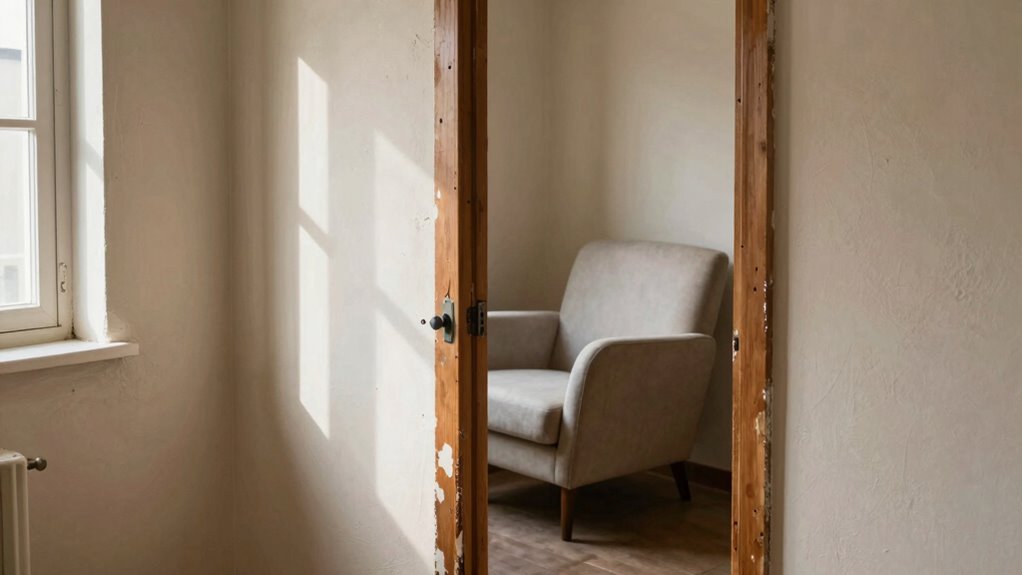
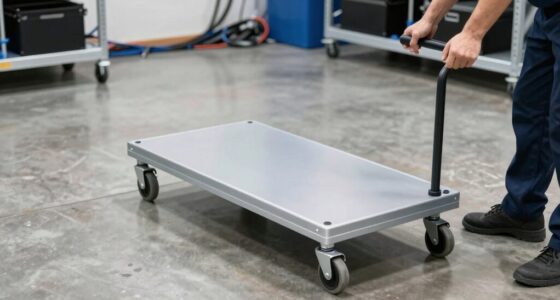
Have you ever struggled to move furniture or medical equipment through a narrow doorway? If so, you’re not alone. Many people face this challenge daily, especially when trying to navigate home modifications for mobility needs. Narrow doorways can create significant obstacles, making it difficult to transfer bulky items or assistive devices safely. Fortunately, there are solutions that can ease this process. Assistive technology plays an essential role by offering tools and equipment designed to help you maneuver through tight spaces more effectively. For example, slide sheets, transfer boards, or even specialized dollies can make moving objects safer and less strenuous. These devices are especially helpful when transferring individuals who need support, reducing the risk of injury for both the person being moved and the caregiver.
While using assistive technology, it’s imperative to prioritize safety precautions. Before attempting to move anything, clear the area of obstacles that could cause tripping or slipping. Secure loose rugs, cords, or clutter that might interfere with the transfer. If you’re handling a person, verify they are properly supported with straps or harnesses if necessary, and communicate clearly throughout the process. Maintaining proper body mechanics is essential—bend at your hips and knees, keep the load close to your body, and avoid twisting your spine. Using assistive devices correctly can prevent accidents, but only if you’re familiar with their proper use. Take the time to learn how to operate them safely, and don’t hesitate to seek guidance from healthcare professionals or occupational therapists who can provide tailored advice.
Another safety measure involves planning your transfer route ahead of time. Measure the doorway and any passage involved to confirm that your assistive devices will fit comfortably. If space is too tight, consider temporary modifications, like removing door frames or installing wider doorways. These adjustments can considerably improve safety and ease of movement in the long run. Additionally, understanding assistive technology options can help you select the most effective tools for your needs. Being aware of various home modification strategies can also make a significant difference in long-term safety. It’s also beneficial to explore home adaptation ideas that can make everyday transfers easier and safer. Planning ahead and familiarizing yourself with transfer techniques can further reduce the risk of injury during these processes. Always keep a backup plan in case the initial transfer doesn’t go as planned—having someone assist you or nearby emergency contacts can be invaluable. Remember, safety isn’t just about avoiding injuries; it’s about ensuring dignity and comfort for everyone involved. With the right combination of assistive technology and safety precautions, you can make home transfers smoother, safer, and less stressful. It’s about working smarter, not harder, to navigate those narrow doorways with confidence and care.
transfer boards for mobility assistance
As an affiliate, we earn on qualifying purchases.
As an affiliate, we earn on qualifying purchases.
Frequently Asked Questions
How Do I Measure My Furniture for Narrow Doorways?
To measure your furniture for narrow doorways, start by noting the furniture dimensions, including height, width, and depth. Then, measure your doorway measurements at the narrowest points, such as the doorframe opening. Compare your furniture’s largest width and height with the doorway measurements. If your furniture exceeds these dimensions, consider removing legs or disassembling parts to make it fit through narrow doorways more easily.
Are There Alternative Transfer Methods for Tight Spaces?
Yes, you can use sliding techniques to move furniture through tight spaces. First, apply furniture padding to protect surfaces and reduce friction. Then, carefully tilt or lift the furniture slightly to slide it along the floor, using your body weight for control. This method minimizes damage and makes narrow transfers easier. Just guarantee the path is clear, and take your time to avoid injury or furniture damage.
What Tools Can Help Widen a Doorway Temporarily?
To assist with doorway widening for temporary door expansion, you can use tools like a reciprocating saw or a hand saw to carefully trim door frames or jambs. Additionally, installing adjustable door jamb spacers or temporary shims can create extra space during transfers. These tools and methods help you achieve a wider opening quickly, making the process safer and more manageable for tight spaces.
How Does Door Hinge Placement Affect Furniture Movement?
Imagine you’re trying to move a large sofa through a doorway. If the hinge positioning allows the door to swing fully open, you get more door swing clearance, making it easier to maneuver furniture. Conversely, if hinges are placed too close to the edge, the door may restrict movement. Proper hinge placement maximizes swing clearance and facilitates smoother furniture transfers, reducing the risk of damage or injury.
Can Professional Movers Handle Narrow Doorway Challenges?
Yes, professional movers can handle narrow doorway challenges. They carefully assess furniture orientation to find the best angle for maneuvering, and if needed, they might suggest door frame modification to widen access. Movers use specialized techniques and equipment to navigate tight spaces efficiently, minimizing damage. You can trust their expertise to manage tricky doorways, ensuring your furniture gets through safely without extensive home alterations.
Conclusion
Imagine trying to squeeze a giant into a tiny doorway—frustrating, right? That’s exactly what you face with narrow doorways during home transfers. But with the right tools and planning, you can widen that opening, making the process smooth as sliding a book onto a shelf. Remember, every inch gained isn’t just space—it’s a step toward independence and comfort. Don’t let narrow doorways hold you back; open the way for easier transfers.
Cold & flu season Picks
humidifiers
As an affiliate, we earn on qualifying purchases.