
Excess moisture on your skin weakens its natural barrier, making it more prone to breakdown and pressure injuries. When your skin stays damp, it softens and becomes vulnerable to tears and maceration. Managing moisture helps keep your skin strong and resilient, decreasing injury risk. Proper hydration, frequent repositioning, and using protective barriers are key strategies. To learn how to protect your skin effectively, keep exploring the important role moisture plays in injury prevention.
Key Takeaways
- Excess moisture weakens the skin’s barrier, increasing susceptibility to pressure injuries.
- Maceration from prolonged moisture softens skin, making it more prone to tears and breakdown.
- Proper moisture management maintains skin integrity, reducing the risk of injury from pressure and friction.
- Overly moist skin is more vulnerable to injury, while dry skin can crack and also increase pressure injury risk.
- Controlling sweat, urine, and wound exudate helps prevent moisture-related skin deterioration and pressure injuries.
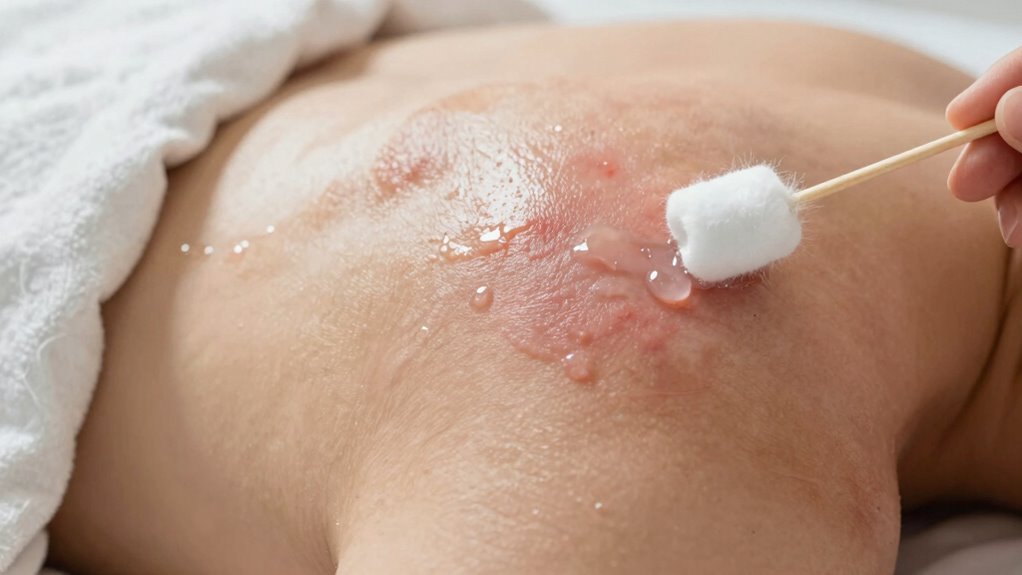
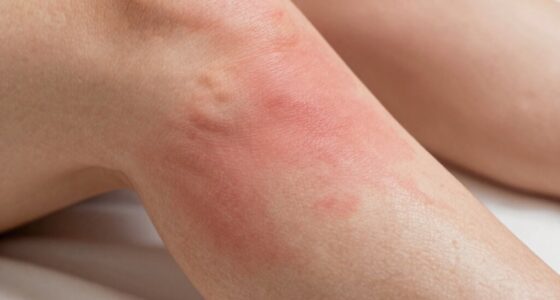
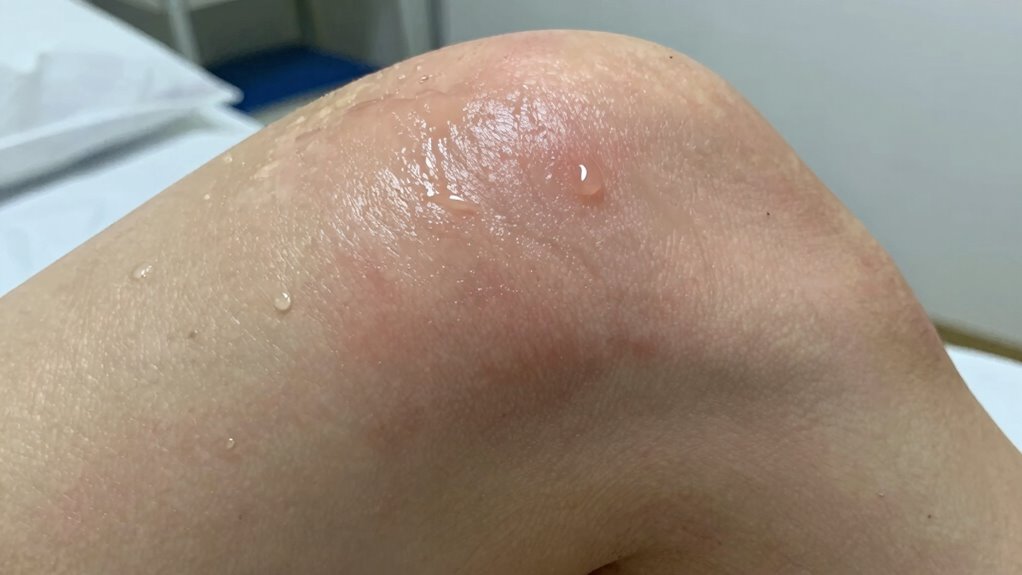
Moisture and pressure injuries pose considerable risks to individuals with limited mobility or delicate skin. When your skin stays damp or moist for extended periods, it becomes more vulnerable to damage. This is because moisture weakens the skin’s natural barrier, making it prone to breakdown. Proper moisture management is essential to prevent these injuries. It involves controlling excess sweat, urine, or wound exudate, which can cause the skin to stay wet and soften over time. If moisture isn’t managed well, your skin can become macerated—meaning it’s overly soft and prone to tearing or breaking down under pressure. Keeping your skin dry and clean reduces this risk and supports its natural resilience.
Skin hydration plays a critical role in protecting your skin from injury. Adequate hydration helps maintain the skin’s elasticity and strength, making it less likely to develop pressure ulcers. When your skin is well-hydrated, it’s better equipped to withstand prolonged pressure and friction, which are common contributors to pressure injuries. However, it’s a delicate balance—you don’t want your skin to be too dry, which can cause cracking and fissures, nor too moist, which can lead to maceration. Regularly moisturizing with appropriate products can help maintain ideal hydration levels. It’s important to choose moisturizers that don’t clog pores or cause excess oil, as these can trap moisture and increase risk.
Maintaining skin hydration is especially essential in areas where pressure is often applied, like the sacrum, heels, elbows, or hips. Using barrier creams or moisture-retentive dressings can help protect these vulnerable spots from moisture-related damage. Additionally, frequent repositioning reduces the amount of continuous pressure and moisture accumulation on any one area. Good hygiene practices, such as gentle cleansing and patting the skin dry, also contribute to effective moisture management. Remember, the goal isn’t just to keep the skin dry but to preserve a healthy level of hydration that supports the skin’s natural defenses. Proper skin barrier function is also crucial for preventing moisture penetration and subsequent injury. Furthermore, understanding skin pH balance can help optimize skin resilience and prevent irritation caused by moisture imbalances. Incorporating proper moisture control techniques can further enhance skin protection and reduce the likelihood of injury.
Understanding the importance of indoor air quality can also contribute to overall skin health, as proper ventilation and humidity levels can help prevent excessive moisture build-up around the skin. Ultimately, understanding how moisture impacts pressure injury risk allows you to take proactive steps. Managing moisture and ensuring skin hydration aren’t just about comfort—they’re fundamental to skin integrity and healing. By paying attention to these factors, you can greatly decrease your chances of developing pressure wounds, especially if you have limited mobility or fragile skin. Proper skin care routines, combined with regular assessments and adjustments, help keep your skin resilient and better prepared to withstand daily stresses. In doing so, you’re actively protecting yourself from preventable injuries that can greatly impact your health and quality of life.
moisture barrier creams for skin protection
As an affiliate, we earn on qualifying purchases.
As an affiliate, we earn on qualifying purchases.
Frequently Asked Questions
Can Moisture Levels Be Accurately Measured at Home?
You can measure moisture levels at home using simple methods or specialized home testing tools. Moisture sensors are available for home use, allowing you to monitor skin or surface moisture accurately. These sensors often connect to apps or display readings directly, helping you maintain ideal moisture balance and reduce pressure injury risk. Regularly checking moisture levels with these tools can give you peace of mind and help you take prompt action when needed.
How Quickly Can Moisture Damage Skin?
Moisture can damage your skin quickly, often within hours if the moisture stays prolonged. When your skin’s integrity is compromised, it becomes more susceptible to breakdown and pressure injuries. Maintaining moisture balance is essential; too much moisture weakens the skin, while too little causes dryness and cracking. Regularly checking and managing moisture levels helps preserve skin health, preventing rapid damage and supporting overall skin integrity.
Are Certain Fabrics Better at Managing Moisture?
Certain fabrics are better at managing moisture because of their breathability and moisture absorption qualities. Breathable fabrics like cotton allow air to circulate, helping to keep your skin dry. Moisture-wicking materials such as polyester or specialized athletic fabrics draw sweat away from your skin, reducing dampness. Choosing clothes made from these fabrics can help prevent skin damage, especially if you’re at risk of pressure injuries, by keeping moisture levels balanced and skin healthier.
How Does Moisture Affect Healing Time?
Moisture impacts healing time by affecting skin hydration and wound moisture levels. When the skin stays properly hydrated, it promotes faster healing and reduces the risk of infection. Conversely, excessive moisture can lead to skin maceration, delaying recovery and increasing pressure injury risk. You should maintain a balanced level of wound moisture, ensuring the wound remains moist but not overly wet, to optimize healing and reduce recovery time.
Can Moisture Control Prevent All Pressure Injuries?
Moisture control can substantially reduce the risk of pressure injuries, but it can’t prevent all cases. Maintaining a strong skin barrier and proper moisture balance helps protect your skin from breakdown caused by excessive moisture or dryness. However, other factors like pressure, friction, and overall health also play crucial roles. So, while good moisture management is essential, it’s just one part of an all-encompassing prevention strategy.
Conclusion
Remember, moisture can be both a protector and a threat. Like a gentle rain that nourishes, it keeps skin supple; yet, too much turns skin into a soggy sponge, increasing pressure injury risk. By managing moisture wisely, you can create a balance—protecting the skin’s integrity while preventing harm. Think of moisture as a delicate dance partner: with care, it can lead you toward healthier skin, or it can cause a stumble if not handled with attention.