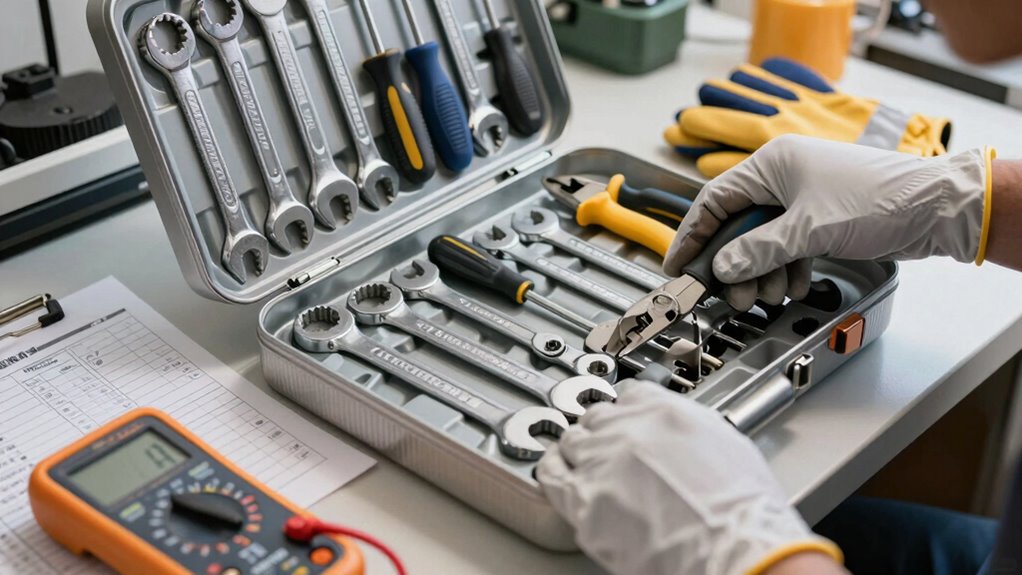

Performing a daily equipment check is essential for catching small issues before they turn into major problems. You should verify safety features, look for loose or damaged parts, and check fluid levels and electrical connections. Address any signs of wear immediately to keep everything running smoothly and safely. Establishing a routine helps prevent breakdowns, reduces repair costs, and promotes a safe work environment. Keep going to discover tips on how to maximize your equipment’s performance and safety.

Turn quiet afternoons into listening time
- Thousands of audiobooks, podcasts and originals
- Listen on your phone, tablet or Echo — also offline
- Cancel anytime
Key Takeaways
- Regularly inspect for loose parts, leaks, and corrosion to catch minor issues early.
- Verify safety features like guards and emergency stops to prevent accidents.
- Document inspection findings to monitor equipment health and plan maintenance.
- Address identified problems immediately to avoid costly breakdowns later.
- Follow a systematic checklist to ensure thorough and consistent equipment assessments.
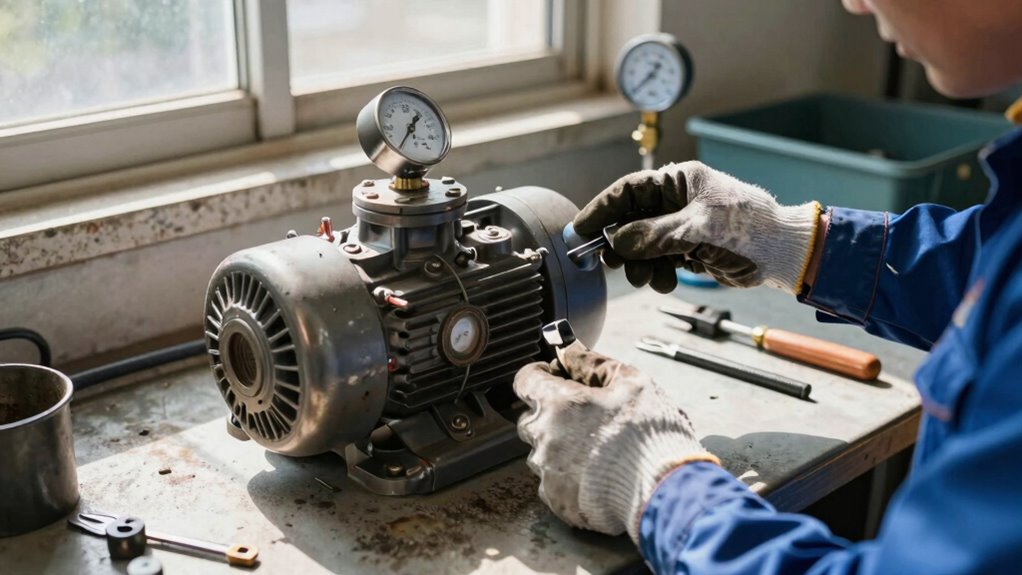
Starting your day with a thorough equipment check is essential to guarantee everything functions properly and to prevent unexpected problems. When you take a few moments to inspect your tools and machinery, you’re actively reducing the chance of breakdowns and costly repairs later on. This routine isn’t just about catching visible issues; it’s about establishing a consistent pattern of maintenance routines that keep everything running smoothly. Regular checks help identify minor wear and tear before it escalates into a major failure, saving you time and money in the long run.
Starting your day with a thorough equipment check prevents breakdowns and promotes smooth, safe operations.
You want to ensure that safety protocols are firmly in place during your daily inspection. Safety isn’t an afterthought—it’s a core part of your routine. When you verify that safety features, such as guards, emergency stops, and warning labels, are intact and functional, you’re protecting yourself and your team. Properly maintained equipment minimizes the risk of accidents, which could lead to injuries or even more severe consequences. Adhering to safety protocols during your checks also creates a culture of awareness and responsibility, reminding everyone that safety always comes first.
During your equipment check, you should systematically go through each piece of gear or machinery. Check for loose or damaged parts, leaks, corrosion, and unusual noises. Look over electrical connections and fluid levels, ensuring they’re within safe ranges. If you spot anything that looks out of place, don’t delay fixing it. Addressing issues immediately can prevent further damage and keep your operation efficient. Remember, the goal is to catch problems early, before they have a chance to cause downtime or hazardous situations. Additionally, conducting regular equipment inspections helps maintain optimal performance and longevity. Incorporating a routine maintenance schedule can further enhance the reliability of your equipment and reduce unexpected failures. Implementing these checks as part of a preventive maintenance plan ensures ongoing reliability and safety. Developing a checklist can streamline the process and ensure nothing is overlooked during your inspections.
Document your inspections as part of your routine. Keeping a record helps track recurring issues and demonstrates compliance with safety standards. It also ensures that maintenance tasks aren’t overlooked and that you’re always aware of the state of your equipment. This documentation becomes especially valuable when troubleshooting or scheduling preventive maintenance. Moreover, understanding the signs of wear on equipment can help you make more informed decisions about repairs and replacements, ultimately extending the lifespan of your tools.
Incorporating these habits into your daily routine isn’t just about protecting equipment; it’s about safeguarding yourself and your team. By maintaining a disciplined approach to equipment checks, you reinforce safety protocols and promote a safe work environment. The small investment of time you make each day pays off by preventing bigger problems down the line, ensuring that your operations remain productive and accident-free. Ultimately, a consistent, vigilant approach to daily equipment checks creates a foundation of reliability and safety that benefits everyone involved.
industrial equipment safety inspection kit
As an affiliate, we earn on qualifying purchases.
As an affiliate, we earn on qualifying purchases.
Frequently Asked Questions
How Long Should Each Daily Equipment Check Take?
Each daily equipment check should take about 10 to 15 minutes, depending on the complexity of the machinery. This inspection frequency is essential for effective preventive maintenance, catching issues early before they escalate. You want to be thorough but efficient, ensuring all critical components are examined. Regular, timely checks help maintain safety, reduce downtime, and extend equipment lifespan, ultimately preventing bigger problems down the line.
Who Is Responsible for Performing the Daily Check?
You are responsible for performing the daily equipment check to guarantee safety protocols are followed. This task helps maintain equipment accountability, preventing potential issues before they escalate. By regularly inspecting and verifying equipment, you contribute to a safer work environment and help avoid costly repairs or accidents. Always adhere to established procedures, document your findings, and report any problems promptly to keep everyone safe and equipment in top condition.
What Tools Are Needed for an Effective Inspection?
You’ll need basic tools like a flashlight, a wrench, and a checklist to perform an effective inspection. These tools help you identify issues early, supporting preventive maintenance and ensuring safety protocols are followed. Use the checklist to systematically review equipment parts, look for wear or damage, and verify proper operation. Regularly using these tools during your daily check keeps equipment reliable, reduces downtime, and prevents costly repairs later on.
How Are Equipment Issues Documented and Reported?
You should document and report equipment issues promptly through your company’s equipment maintenance system, ensuring detailed descriptions and photos if possible. Follow safety protocols by reporting hazards immediately to prevent accidents. Regularly update maintenance logs with findings from daily checks, and communicate issues to the maintenance team for quick repairs. This proactive approach keeps equipment in peak condition, minimizes downtime, and enhances overall safety.
What Training Is Required to Perform the Check Properly?
Coincidentally, your training should include understanding maintenance protocols and safety procedures to perform the check properly. You’ll learn how to identify issues early, follow step-by-step inspection routines, and document findings accurately. This training guarantees you recognize potential hazards, adhere to safety standards, and maintain equipment effectively. With thorough instruction, you’ll develop confidence in daily checks, preventing costly repairs or accidents while promoting a safe, efficient work environment.
Conclusion
By making the daily equipment check your morning routine, you’re like a captain inspecting your ship before setting sail. This simple act keeps small issues from turning into stormy seas, ensuring smooth sailing all day long. When you stay vigilant, you prevent bigger problems from crashing your voyage. So, take a few moments each day—your safety and success depend on it. After all, a well-maintained ship navigates rough waters with confidence.
Halloween Picks
halloween
As an affiliate, we earn on qualifying purchases.