As a caregiver, it’s important to know how to safely operate, maintain, and troubleshoot a portable oxygen machine. Always guarantee batteries are charged before outings, and regularly check for damage or blockages in tubing. Keep the device clean, store it properly, and familiarize yourself with controls and alarms. Being proactive about maintenance and safety helps provide continuous support. If you want to become more confident, there’s more you should know to keep both you and the user safe and comfortable.

Turn quiet afternoons into listening time
- Thousands of audiobooks, podcasts and originals
- Listen on your phone, tablet or Echo — also offline
- Cancel anytime
Key Takeaways
- Know how to operate the device and adjust settings safely under medical guidance.
- Regularly inspect for damage, clean surfaces, and replace filters as recommended.
- Keep spare batteries and backup power sources ready for emergencies.
- Store the oxygen machine in a safe, dry place and handle it gently to prevent damage.
- Recognize alarms and respond promptly to ensure continuous, safe oxygen supply.
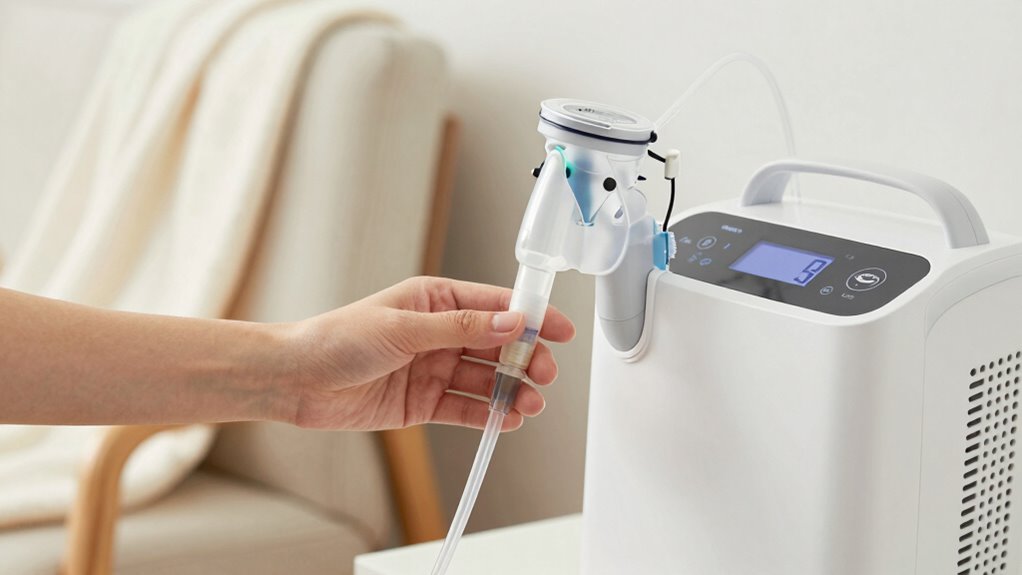
If you’re caring for someone who uses an oxygen machine, understanding its basic functions is essential for providing safe and effective support. Oxygen machines are critical for those with breathing difficulties, and knowing how they work helps you guarantee they’re used correctly. Many oxygen machines are portable devices, which means your loved one can move around more freely, whether at home or outside. These portable units are designed to be lightweight and easy to carry, often equipped with batteries that allow for mobility. When managing a portable device, it’s important to keep track of battery life and guarantee the unit is fully charged before outings. This ensures continuous oxygen supply and avoids interruptions during use. This way, your loved one won’t run out of oxygen unexpectedly.
Understanding portable oxygen machines helps ensure safety and continuous support for loved ones with breathing difficulties.
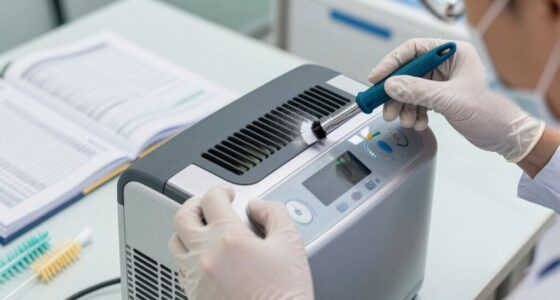
Maintenance tips are indispensable for keeping the oxygen machine functioning properly. Regularly inspecting the device for any signs of damage or wear is a good habit. Check the tubing for cracks, kinks, or blockages, and replace it if necessary. Clean the external surfaces of the machine with a soft, damp cloth to prevent dust buildup, which can interfere with its operation. Filters inside the machine should be checked and replaced as recommended by the manufacturer—usually every few months—to keep the airflow clean and unobstructed. Always follow the manufacturer’s instructions for cleaning and replacing parts to avoid damaging the device or reducing its effectiveness. Additionally, understanding the proper storage of oxygen equipment can help prolong its lifespan and ensure it remains in good working condition. Proper storage, including keeping the device in a safe, dry place, can also prevent accidental damage.
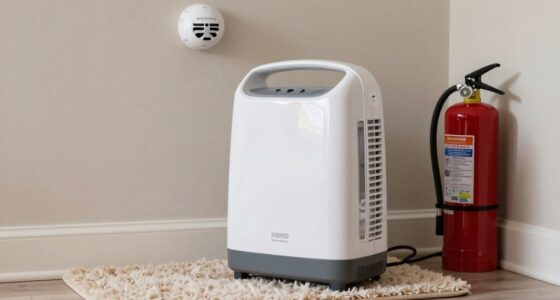
Getting familiar with the machine’s controls and alarms is also essential. Many units have simple controls for adjusting flow rates, which should only be changed under medical guidance. Alarms are designed to alert you if there’s a problem, such as low oxygen levels, power failure, or device malfunction. Knowing what each alarm means allows you to respond quickly and prevent any risks. When it comes to portable devices, remember that they rely heavily on batteries, so having spare batteries or a backup power source is wise. Always keep the device in a safe, stable place, and avoid dropping or knocking it, as this can cause internal damage. Being aware of device safety procedures is crucial for preventing accidents and ensuring proper operation.
Finally, educating yourself about the machine’s operation and routine maintenance guarantees you’re prepared to handle emergencies and keep the device running smoothly. Staying proactive with maintenance and understanding how portable devices work can make a significant difference in your loved one’s comfort and safety. Regularly reviewing manufacturer instructions can help you stay informed about updates or specific care requirements. With proper care, the oxygen machine will serve as a reliable support, helping them breathe easier and live more comfortably.
portable oxygen concentrator spare batteries
As an affiliate, we earn on qualifying purchases.
As an affiliate, we earn on qualifying purchases.
Frequently Asked Questions
How Long Can the Oxygen Machine Run Continuously?
You can usually run an oxygen machine continuously for as long as your healthcare provider recommends, often 24 hours a day. During oxygen therapy, it’s essential to monitor the device and perform regular device maintenance to guarantee safe, effective operation. Make sure to check the device’s filters and tubing regularly, and follow the manufacturer’s guidelines to avoid interruptions or malfunctions that could affect your loved one’s health.
Is It Safe to Use the Oxygen Machine Outdoors?
Using your oxygen machine outdoors isn’t safe unless specified by the manufacturer, much like trying to cook on a windy day—you risk hazards. Outdoor usage can compromise indoor safety due to environmental factors like wind, dust, or moisture. Always check your device’s guidelines. If it’s designed for outdoor use, follow all safety instructions. Otherwise, keep the machine indoors to guarantee safe, reliable operation and protect your loved ones.
What Should I Do if the Machine Stops Working Suddenly?
If your oxygen machine stops working suddenly, stay calm and check for obvious issues like kinks in the tubing or power supply problems. Use oxygen machine troubleshooting tips, such as restarting the device or replacing filters if necessary. Keep emergency backup options ready, like a portable oxygen tank, and contact your supplier or a technician for repairs. Always have a backup plan to safeguard continuous oxygen support for the person relying on it.
Can I Travel With the Oxygen Machine?
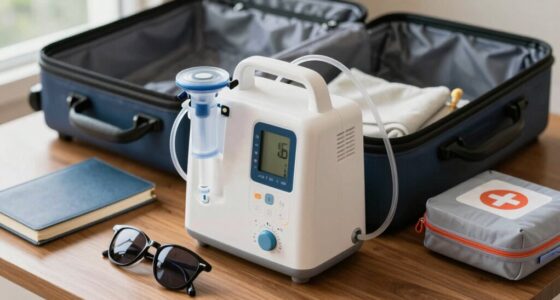
Yes, you can travel with your oxygen machine. Follow travel tips like checking airline policies, bringing extra batteries, and packing the device carefully. Always inform your airline or transportation service about your oxygen needs beforehand. Safety precautions are essential—carry your prescription, verify your machine is in good working order, and have backup supplies. Planning ahead makes traveling easier and safer, giving you peace of mind during your trip.
Are There Specific Cleaning Instructions for the Device?
Yes, there are specific cleaning instructions for your device. You should regularly sterilize the device to prevent infections, especially if it’s used frequently. Cleaning frequency depends on usage and manufacturer guidelines, but generally, wipe down the exterior daily and clean or replace filters weekly. Use a damp cloth and mild soap, avoiding harsh chemicals. Proper cleaning keeps the device functioning safely and prolongs its lifespan.
Conclusion
Now, as you care for someone using an oxygen machine, remember that understanding its basics makes a real difference. You might find it surprising how a simple device can bring comfort and safety, turning what feels complex into something manageable. Sometimes, the smallest knowledge can prevent big worries. So, keep learning and stay attentive—because the right care, like the right device, can truly make life easier for both of you.
Fall Picks
fall essentials
As an affiliate, we earn on qualifying purchases.