A portable unit makes life easier when you need quick, flexible climate control for small to medium spaces or temporary use, like seasonal comfort or spot cooling. It’s ideal if you want an energy-efficient option without permanent installation, but it’s not great for large or open areas where even heating or cooling is needed. If you keep up with maintenance and stick to your space’s limits, you’ll get the most out of it. For more tips, keep exploring how to optimize your setup.

Turn quiet afternoons into listening time
- Thousands of audiobooks, podcasts and originals
- Listen on your phone, tablet or Echo — also offline
- Cancel anytime
Key Takeaways
- Portable units are ideal for quick, temporary climate control in specific rooms or seasonal use.
- They make life easier when permanent HVAC systems are impractical or costly to install.
- Maintenance challenges and limited coverage can hinder performance, making them less effective for long-term or large space cooling.
- Proper ventilation and regular upkeep are crucial to maximize efficiency and comfort.
- They are less suitable for large spaces or continuous use, where permanent systems offer better consistency and energy savings.
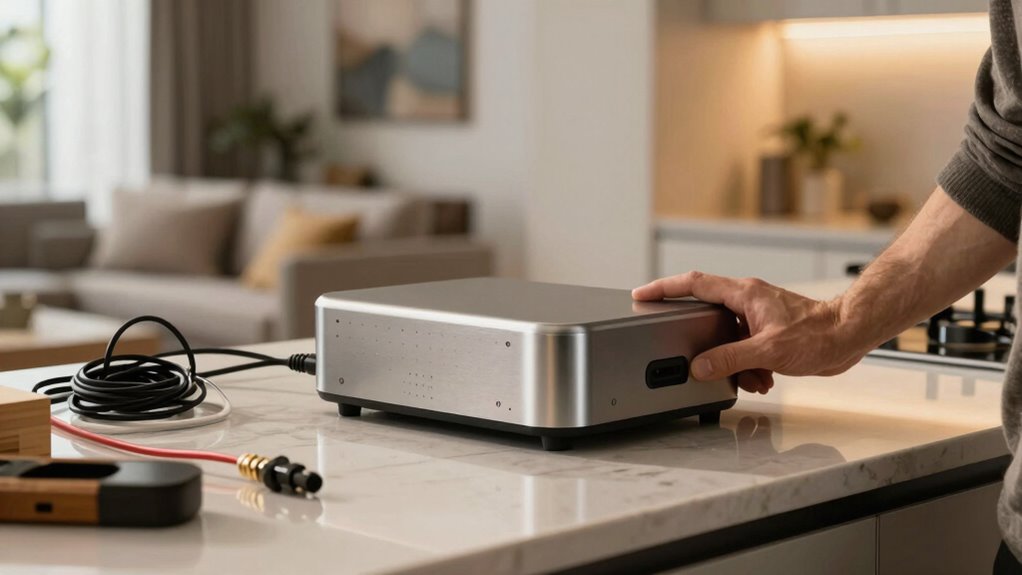
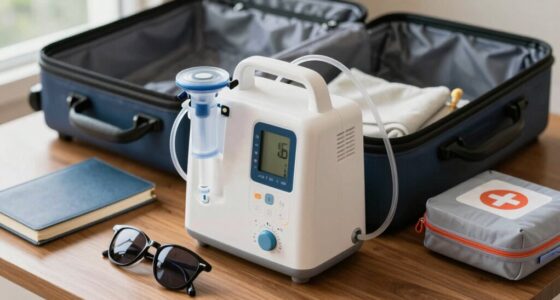
Portable units can be be a game-changer when you need quick, flexible solutions for heating, cooling, or other functions, especially in spaces where permanent installations aren’t practical. They offer the convenience of mobility, allowing you to move them from room to room as needed. This flexibility is especially helpful during seasonal changes or when temporary solutions are required. However, while they are convenient, it’s important to weigh how energy-efficient they are. Many portable units are designed to be energy-efficient, helping you save on electricity bills and reduce your environmental impact. But not all models perform equally, so choosing one with a high Energy Star rating can make a significant difference.
Portable units offer quick, flexible climate control, but choosing energy-efficient models is key for optimal performance.
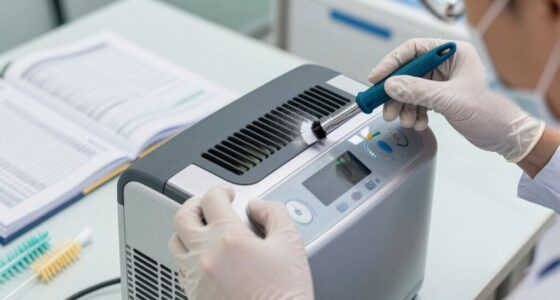
Despite their benefits, portable units also come with maintenance challenges. Because they operate in various environments, dust, dirt, and debris can clog filters or vents more quickly than in permanent systems. Regular cleaning and filter replacement are essential to keep them running efficiently. Neglecting maintenance can lead to decreased performance and higher energy consumption, defeating the purpose of their convenience. Additionally, some portable units use more energy over time if they aren’t maintained properly, which can cause your utility bills to spike. You might find yourself spending extra time on upkeep, which can be inconvenient when you’re expecting quick solutions or don’t want to deal with complicated maintenance routines.
Another aspect to weigh is that while portable units are great for immediate relief, they might not always be the most effective long-term solution for larger spaces or continuous use. They often struggle to cool or heat larger areas evenly, leading to uneven comfort or increased energy consumption as they work harder to reach your desired temperature. Proper air circulation can help mitigate some of these issues, but it’s not always sufficient for bigger spaces. In such cases, permanent HVAC systems, despite their higher initial costs and installation challenges, might be more efficient in the long run. Recognizing the importance of energy efficiency can help you make smarter choices when selecting a portable unit. Additionally, understanding the cost-effectiveness of different options can further guide your decision-making process.
Ultimately, portable units make life easier when you need fast, flexible climate control and are mindful of their energy use and maintenance needs. They shine in situations where permanent setups aren’t feasible or cost-effective. But, if you overlook routine maintenance or select a model that isn’t energy-efficient, their convenience diminishes. You could end up spending more on energy bills and repairs, making them less of a solution and more of a temporary fix. When used wisely, a portable unit can be a practical, efficient addition to your space, but understanding their limitations helps you maximize their benefits without facing unnecessary challenges. Being aware of energy consumption can further enhance your decision-making process and ensure you get the most out of your portable unit. Ensuring proper ventilation can also significantly improve performance and energy efficiency.
portable air conditioner with high Energy Star rating
As an affiliate, we earn on qualifying purchases.
As an affiliate, we earn on qualifying purchases.
Frequently Asked Questions
How Do I Choose the Right Portable Unit for My Needs?
To choose the right portable unit, first identify your needs, like room size and usage. Check energy consumption to guarantee efficiency and lower costs, and do a cost comparison between models. Consider features like noise level and portability. You want a unit that balances power with energy savings, so read reviews and specs carefully. This way, you’ll select a portable unit that offers convenience without hiking your energy bills.
What Maintenance Is Required for Portable Units?
Think of your portable unit as a trusted friend—you need to keep it happy! Regular maintenance tips include cleaning filters, checking for leaks, and ensuring proper ventilation. Troubleshooting issues like strange noises or reduced efficiency often stems from clogging or dirt buildup. By staying proactive with upkeep, you’ll extend its lifespan and keep it running smoothly, making your life easier instead of dealing with unexpected breakdowns.
Are Portable Units Energy-Efficient?
Portable units are generally energy-efficient, especially when you use them wisely. They have lower energy consumption compared to whole-house systems, making them a good choice for power saving. To maximize efficiency, make sure you select an appropriately sized unit and use energy-saving settings. Regular maintenance, like cleaning filters, also helps improve performance and keeps power consumption low. Overall, portable units can be a smart, energy-efficient solution for your cooling or heating needs.
Can Portable Units Be Used Outdoors Reliably?
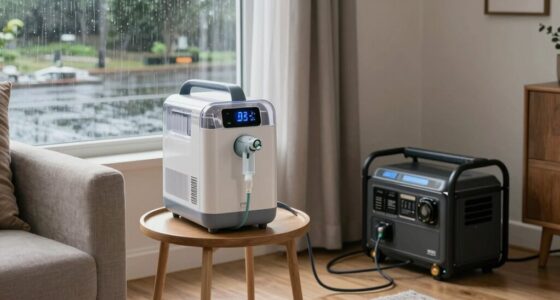
You can rely on portable units outdoors, but only if they’re built for the task. Think of them as hardy explorers, equipped with outdoor durability and weather resistance to face rain, sun, or wind. When chosen wisely, these units become your dependable companions in any weather adventure. However, if you ignore their design limits, they might falter under harsh conditions, turning your outdoor oasis into a challenging landscape.
What Safety Precautions Should I Follow With Portable Units?
You should always follow safety precautions with portable units to prevent safety hazards from improper handling. Read the manufacturer’s instructions carefully before use, and wear appropriate protective gear. Keep the unit away from water or moisture, and guarantee proper ventilation. Never overload it, and disconnect power when not in use. Regularly inspect for damage, and handle with care to avoid accidents. This helps keep you safe and ensures the unit functions correctly.
Conclusion
So, when you choose a portable unit, you’re not just buying a gadget—you’re releasing a tiny superhero that can save your day or, if it fails, turn your life into chaos. Imagine a device so powerful, it could fix your problems instantly—or leave you stranded in a blink. The key is knowing when it’s your best friend or your worst enemy. Pick wisely, or you’ll be wishing you had a magic wand instead!
Cold & flu season Picks
humidifiers
As an affiliate, we earn on qualifying purchases.