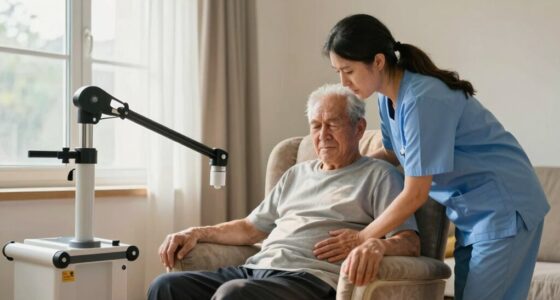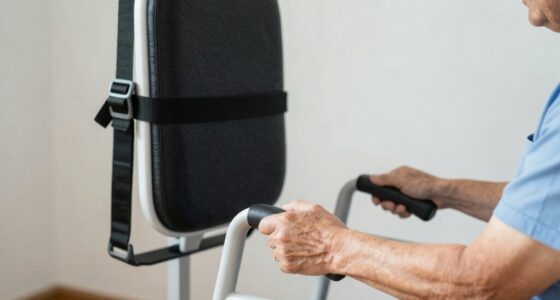

Many common patient lift mistakes at home include improperly securing assistive devices, rushing the transfer, and neglecting proper technique. Faulty or worn equipment can cause accidents, and environmental hazards like cluttered or uneven floors increase risks. Insufficient caregiver training leads to unsafe lifts, while rushing often results in slips or falls. Regular maintenance and safety checks are essential, but many overlook these steps. Keep exploring to discover how to prevent these mistakes and keep both you and your loved ones safe.

Turn quiet afternoons into listening time
- Thousands of audiobooks, podcasts and originals
- Listen on your phone, tablet or Echo — also offline
- Cancel anytime
Key Takeaways
- Failing to properly secure harnesses, slings, or straps before lifting increases fall risk.
- Inadequate caregiver training leads to improper lifting techniques and safety hazards.
- Rushing the lift process compromises safety checks and patient stability.
- Environmental hazards like cluttered or uneven surfaces cause slips and falls.
- Neglecting regular equipment maintenance can result in device failure during transfers.
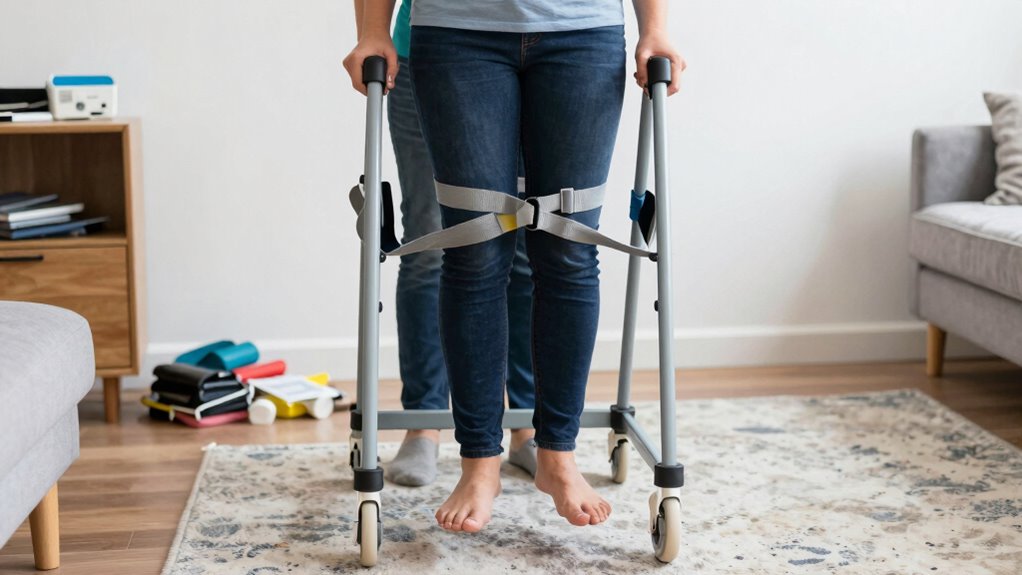
Using a patient lift at home can be a safe and effective way to transfer someone with limited mobility, but mistakes can lead to serious injuries for both the caregiver and the patient. One of the most common errors is not properly securing the assistive devices. If the harness, slings, or straps aren’t correctly positioned or fastened, the patient could fall or slip during the transfer. It’s vital to double-check all parts of the lift before starting, making sure everything is in place and functioning properly. Neglecting this step increases the risk of accidents and can cause injuries that might have been avoided.
Secure all assistive devices properly to prevent falls and injuries during transfers.
Another frequent mistake is inadequate caregiver training. Many people underestimate how important it is to learn proper techniques before operating a patient lift. Without proper training, you might attempt risky maneuvers, apply unnecessary force, or use the wrong lifting methods. This can strain your body and compromise the safety of the patient. Investing time in thorough caregiver training helps you understand how to use assistive devices correctly, recognize signs of discomfort or distress, and execute transfers smoothly. Proper training also boosts your confidence, making the process safer for everyone involved. Additionally, understanding the safe operation of lifts helps prevent common errors and promotes confidence during transfers.
Additionally, rushing through the transfer process is a common mistake. Transferring someone with limited mobility requires patience and attention to detail. Trying to speed up the process can lead to improper positioning or neglecting safety checks. Take your time to communicate clearly with the patient, explaining each step, and ensure they are comfortable and secure before proceeding. Rushing increases the likelihood of slips, falls, or improper support, which can cause injury.
Many caregivers also forget to assess the environment for hazards. Cluttered floors, loose rugs, or uneven surfaces can cause trips or instability during transfers. Before starting, clear the area and make sure there’s enough space to maneuver safely. Good lighting is also vital so you can see what you’re doing clearly. Creating a safe environment reduces the chances of accidents and makes the transfer process smoother. Regularly checking the equipment condition of your assistive devices further ensures safety and reliability. Incorporating routine inspections into your safety protocol can prevent unexpected equipment failures.
Finally, neglecting to perform regular maintenance on assistive devices can be dangerous. Worn or damaged equipment might break during use, leading to a fall or injury. Regularly inspect all parts of the lift, including the motorized components and safety straps. If something looks worn or broken, replace or repair it before using it again. Proper maintenance is key to making sure the equipment works safely every time you need it.
As an affiliate, we earn on qualifying purchases.
Frequently Asked Questions
What Are the Signs of a Patient Lift Malfunction?
You’ll notice signs of a lift malfunction if the equipment makes unusual noises, moves jerkily, or if the safety features don’t engage properly. Check for frayed cables or loose parts during lift safety checks. Regular equipment maintenance is essential to prevent issues. If anything seems off, stop using the lift immediately, and get it inspected or repaired to guarantee safe patient handling and avoid accidents.
How Often Should Home Patient Lifts Be Inspected?
Think of your home patient lift as a trusted partner that needs regular checkups. You should inspect your lift and its accessories at least once a month, ensuring everything’s in tip-top shape. Consistent lift maintenance helps catch issues early, preventing mishaps. Don’t forget to check the integrity of patient lift accessories, like slings and hooks, to keep safety at the forefront. Regular inspections keep your lift ready for action, like a well-oiled machine.
Can Improper Use of a Patient Lift Cause Injuries?
Yes, improper use of a patient lift can cause injuries. When you don’t prioritize patient comfort and guarantee regular lift maintenance, accidents become more likely. Incorrect operation or neglecting maintenance can lead to equipment failure or discomfort, risking falls or strains for both you and the patient. Always follow proper procedures, check the lift regularly, and prioritize safety to prevent injuries and provide a comfortable, secure experience.
What Training Is Recommended for Safe Lift Operation?
You should undergo proper training that covers safe lift operation and safety protocols. This training teaches you how to position the patient correctly, operate the lift equipment safely, and prevent injuries. It’s essential to practice under supervision until you’re confident. Regular refresher courses help reinforce your skills and update you on any new safety guidelines, ensuring you perform lifts safely and reduce the risk of accidents at home.
Are There Specific Lifts Suitable for Different Weight Ranges?
Yes, there are specific lifts suitable for different weight ranges. You should choose lift types based on their weight capacity, guaranteeing they can handle the patient’s weight safely. For lighter patients, manual or portable lifts work well, while heavier patients might require bariatric lifts designed with higher weight capacities. Always check the lift’s specifications and instructions to match the lift type with your patient’s weight to ensure safety during transfers.
Conclusion
So, think of your patient lift as a trusted dance partner—when you respect its rhythm and respect your partner’s limits, the dance flows smoothly. Avoid rushing or ignoring safety steps, and you’ll prevent mishaps that can turn the dance into a stumble. With careful steps and a watchful eye, you’ll keep the rhythm steady, ensuring both you and your loved one move through each day safely and gracefully—like a perfectly choreographed waltz.
Cold & flu season Picks
humidifiers
As an affiliate, we earn on qualifying purchases.